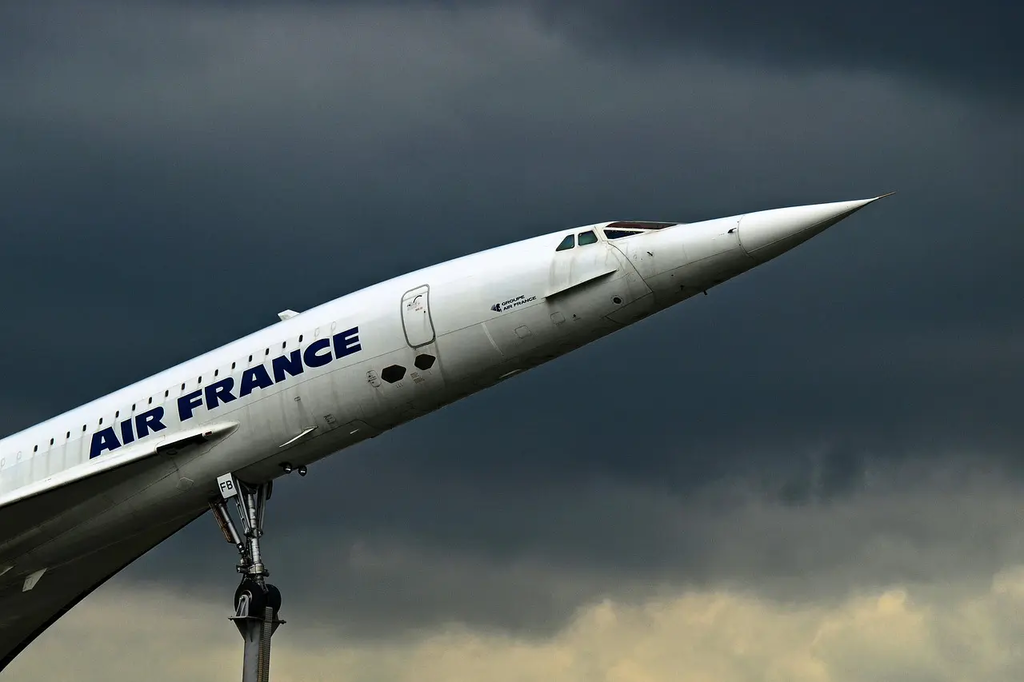
Supersonic and hypersonic commercial aviation prospects refer to the potential future of passenger air travel at speeds exceeding the speed of sound (Mach 1) and even five times that speed (Mach 5). These advancements promise drastically reduced flight times, revolutionizing global connectivity. However, challenges such as high development costs, environmental concerns, noise regulations, and technological hurdles must be addressed before such high-speed travel becomes viable and widely accessible for commercial use.
Supersonic and Hypersonic Commercial Aviation Prospects
Supersonic and hypersonic commercial aviation prospects refer to the potential future of passenger air travel at speeds exceeding the speed of sound (Mach 1) and even five times that speed (Mach 5). These advancements promise drastically reduced flight times, revolutionizing global connectivity. However, challenges such as high development costs, environmental concerns, noise regulations, and technological hurdles must be addressed before such high-speed travel becomes viable and widely accessible for commercial use.
💡 Key Takeaways
- Distinguish supersonic (Mach 1+) vs hypersonic (Mach 5+) and what those regimes mean for speed and flight time.
- Explore how high-speed commercial travel could reshape global connectivity and route options.
- Identify key challenges—propulsion, thermal management, sonic-boom/noise, emissions, and regulatory hurdles.
- Review current U.S. efforts and near-term milestones in high-speed aviation (e.g., Boom Supersonic, NASA projects) and what to watch next.
❓ Frequently Asked Questions
What speeds define supersonic and hypersonic flight?
Supersonic means speeds faster than Mach 1 (the speed of sound); hypersonic typically means around Mach 5 or higher.
What are the potential benefits of supersonic and hypersonic commercial flights?
They can dramatically reduce long-haul flight times and improve global connectivity, enabling quicker business and personal travel.
What are the main challenges to commercializing supersonic/hypersonic air travel?
Sonic booms and noise, fuel efficiency and emissions, high development/certification costs, materials and thermal limits, and regulatory/airspace integration.
What efforts are underway in the United States to enable this technology?
U.S. programs like NASA’s X-59 QueSST study low-boom flight; private developers (e.g., Boom Supersonic) test demonstrators; the FAA and policymakers work on certification, safety, and airspace rules; research on sustainable propulsion and fuels.