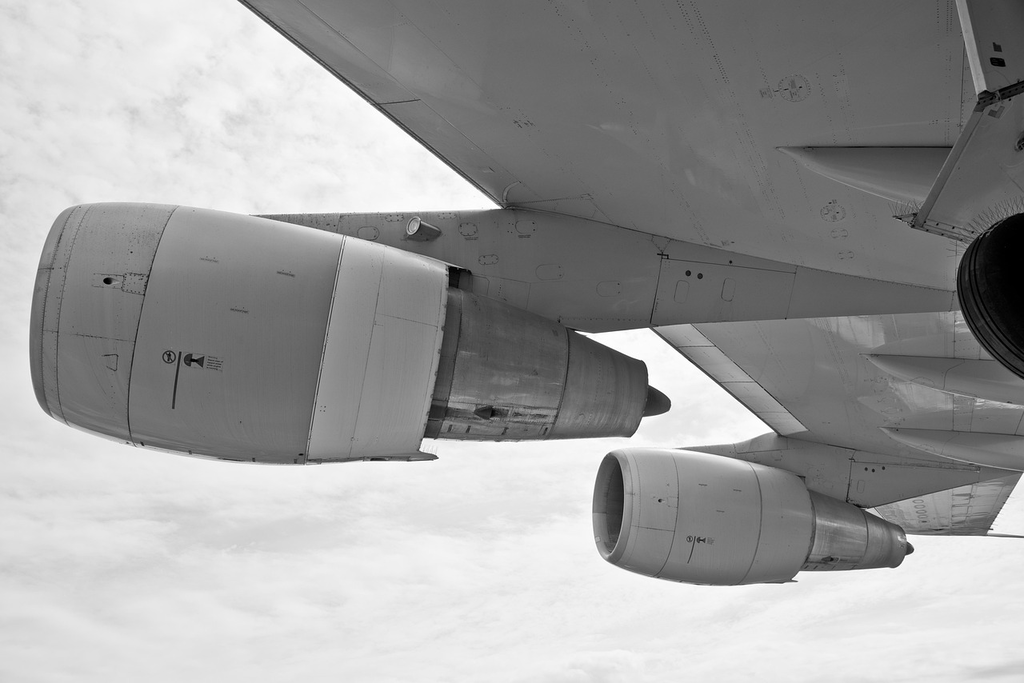
Supersonic flights refer to travel rides, such as specialized cars and planes, that move faster than the speed of sound (Mach 1). These advanced vehicles significantly reduce travel time compared to conventional transportation. Supersonic planes, like the Concorde, once offered rapid international flights, while experimental supersonic cars have set land speed records. Innovations in supersonic technology continue to push boundaries, promising faster and more efficient travel experiences in the future.
Supersonic Flights
Supersonic flights refer to travel rides, such as specialized cars and planes, that move faster than the speed of sound (Mach 1). These advanced vehicles significantly reduce travel time compared to conventional transportation. Supersonic planes, like the Concorde, once offered rapid international flights, while experimental supersonic cars have set land speed records. Innovations in supersonic technology continue to push boundaries, promising faster and more efficient travel experiences in the future.
💡 Key Takeaways
- Define supersonic flight and explain Mach numbers and typical speed ranges.
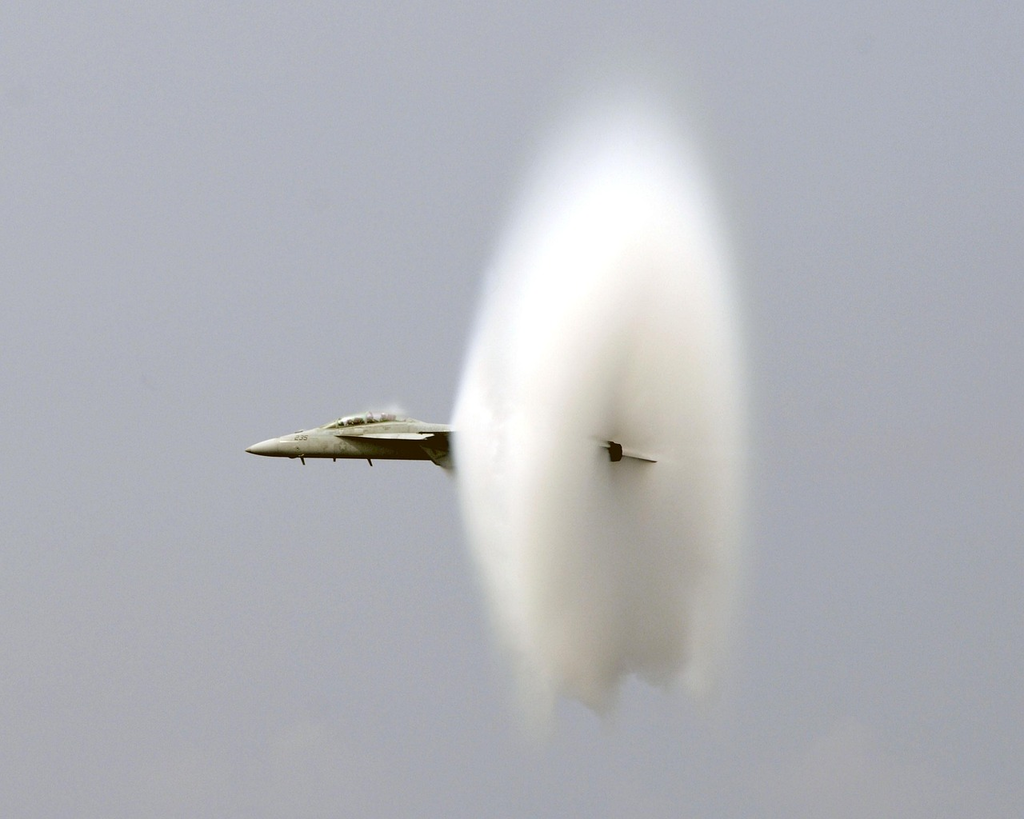
- Explain how shock waves create sonic booms and how aircraft design can reduce their impact.
- Identify propulsion and airframe features common to supersonic aircraft (afterburners, high-speed engines, delta or slender wings).
- Describe practical challenges of supersonic travel (fuel efficiency, thermal loads, range, and noise/airspace restrictions).
❓ Frequently Asked Questions
What defines supersonic flight?
Supersonic flight means traveling faster than the speed of sound (Mach 1 or higher). The exact speed depends on air temperature; at sea level it's about 343 m/s (≈1,235 km/h).
What is a sonic boom and when does it occur?
A sonic boom is a loud shock wave created when an aircraft exceeds Mach 1. It occurs as the aircraft's supersonic travel compresses air into shock waves that reach the ground.
What technologies enable aircraft to reach supersonic speeds?
High-thrust engines (turbojets and afterburners in some designs), sometimes ramjets or scramjets, plus aerodynamic shapes like delta or slender wings and methods to reduce drag (area rule).
Why are commercial supersonic flights rare today?
They typically burn more fuel and cost more to operate, and their sonic booms over land lead to strict noise regulations, limiting routes and overall viability.