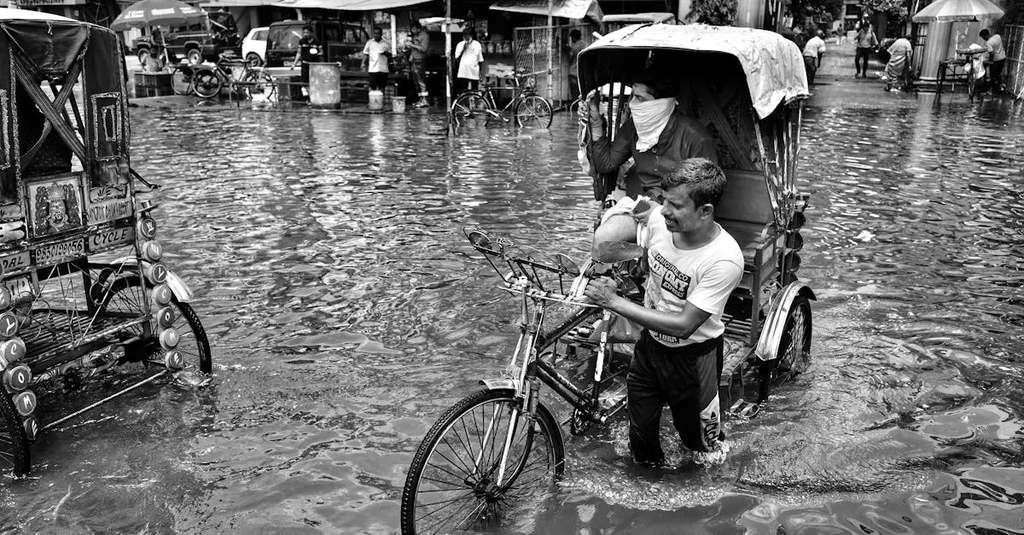
Superstorm Sandy’s coastal impacts in 2012 were devastating, particularly along the eastern United States. The storm surge caused widespread flooding, severe beach erosion, and destruction of homes and infrastructure. Coastal communities faced power outages, contaminated water supplies, and loss of transportation routes. Sandy’s force reshaped shorelines, damaged protective dunes, and left lasting economic and environmental challenges, highlighting the vulnerability of coastal regions to extreme weather events.
Superstorm Sandy's Coastal Impacts (2012)
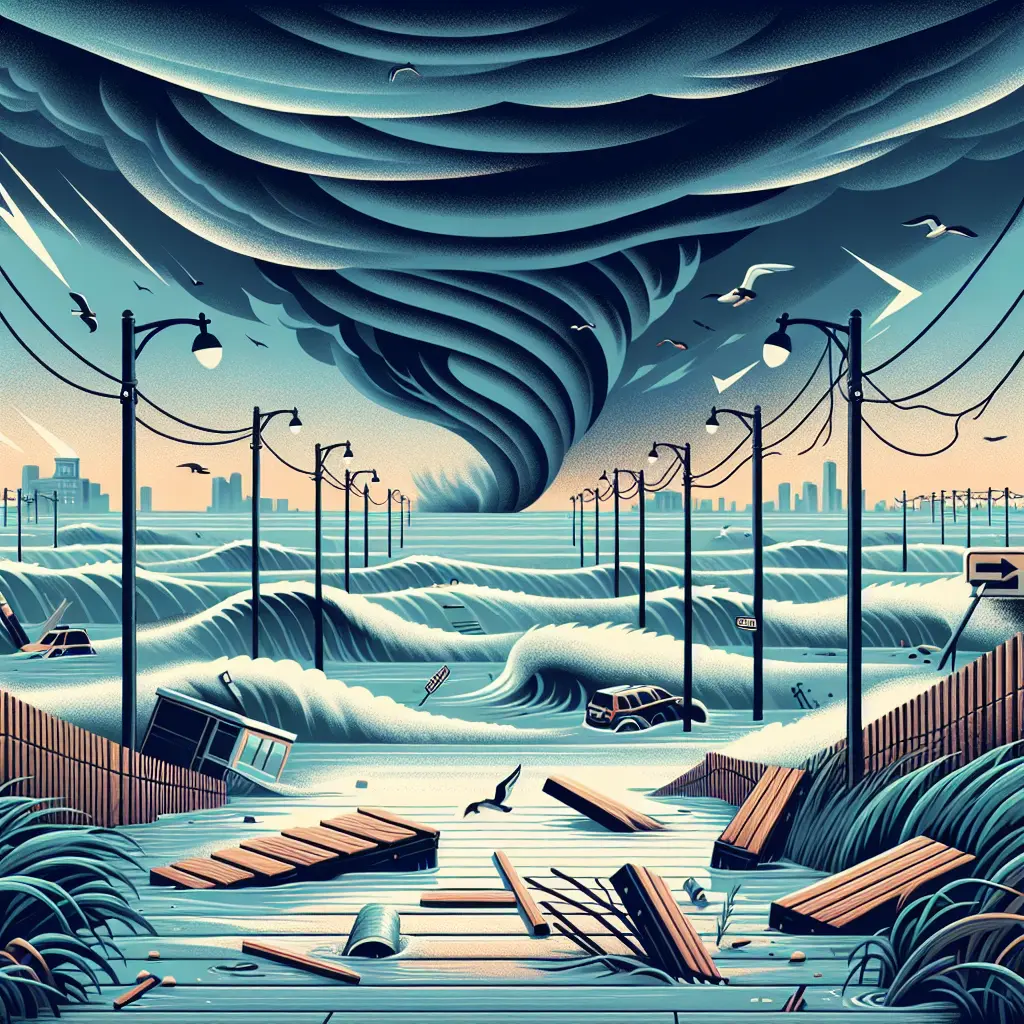
Superstorm Sandy’s coastal impacts in 2012 were devastating, particularly along the eastern United States. The storm surge caused widespread flooding, severe beach erosion, and destruction of homes and infrastructure. Coastal communities faced power outages, contaminated water supplies, and loss of transportation routes. Sandy’s force reshaped shorelines, damaged protective dunes, and left lasting economic and environmental challenges, highlighting the vulnerability of coastal regions to extreme weather events.
💡 Key Takeaways
- How storm surge, winds, and rainfall combine to drive coastal flooding and damage to homes and infrastructure.
- Why Superstorm Sandy caused severe beach erosion and long-term shoreline changes along the eastern U.S. coast.
- The impact on critical services, including power outages and contaminated drinking water.
- Key resilience and preparedness lessons for coastal communities—evacuation planning, building codes, and risk communication.
❓ Frequently Asked Questions
What caused the coastal impacts of Superstorm Sandy in 2012?
Sandy began as a hurricane and transitioned to a post-tropical cyclone as it neared the U.S. East Coast, driving an extreme storm surge, heavy rainfall, and large waves that flooded coastlines.
What were the main coastal hazards during Sandy?
Storm surge, coastal flooding, high waves, and beach erosion that damaged dunes, roads, and buildings.
Which areas along the Atlantic coast were hardest hit?
The Northeast, especially New Jersey and New York, with significant impacts also in Connecticut, Rhode Island, and Massachusetts.
What were some immediate effects on coastal communities?
Widespread power outages, flooded streets and homes, damaged infrastructure, and concerns about water quality.