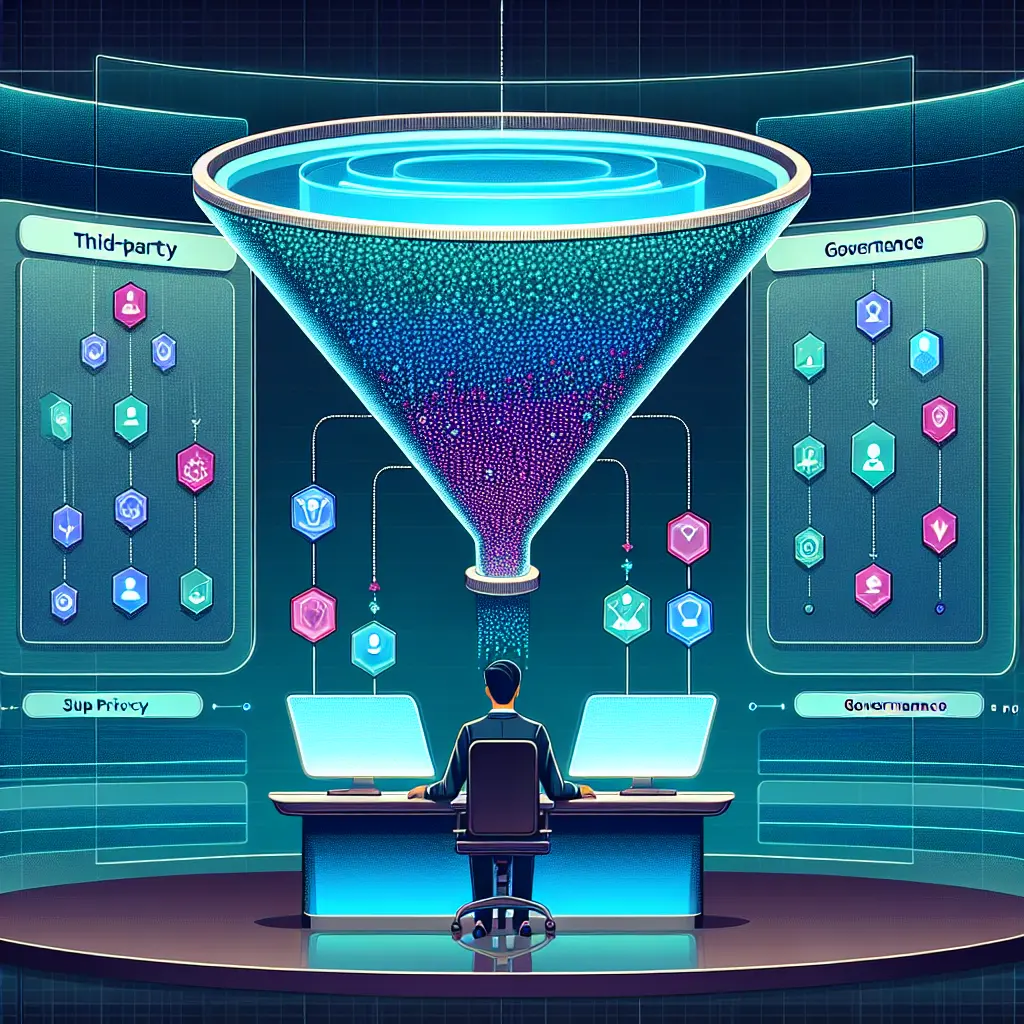
Supply chain risk discovery for datasets involves identifying and assessing potential threats and vulnerabilities within the data supply chain. This process examines how data is sourced, transferred, stored, and used, aiming to uncover risks such as data breaches, unauthorized access, data tampering, or loss of data integrity. By proactively discovering these risks, organizations can implement safeguards to protect sensitive information and ensure the reliability and security of their data assets throughout the supply chain.
Supply chain risk discovery for datasets
Supply chain risk discovery for datasets involves identifying and assessing potential threats and vulnerabilities within the data supply chain. This process examines how data is sourced, transferred, stored, and used, aiming to uncover risks such as data breaches, unauthorized access, data tampering, or loss of data integrity. By proactively discovering these risks, organizations can implement safeguards to protect sensitive information and ensure the reliability and security of their data assets throughout the supply chain.

💡 Key Takeaways
- Map the data supply chain (provenance, sourcing, transfer, storage, and usage) to identify risk hotspots across datasets.
- Identify common data threats like breaches, unauthorized access, and tampering that can occur throughout the data lifecycle.
- Apply risk discovery techniques such as data lineage, third-party risk assessment, and access control reviews to uncover gaps.
- Select and implement controls (encryption, integrity checks, access governance, and monitoring) to mitigate dataset risks.
❓ Frequently Asked Questions
What is supply chain risk discovery for datasets?
A process to identify threats and vulnerabilities across the data supply chain—from sourcing and transfer to storage and use—to protect data integrity, confidentiality, and availability in AI workflows.
Which parts of the data supply chain are examined?
Sourcing, transfer, storage, and usage of data, including who can access it and how data is moved, stored, and processed.
What common risks does it look for?
Data breaches, unauthorized access, data tampering, data leakage, and gaps in data provenance or auditability.
How can these risks be mitigated?
Implement strong access controls, encryption in transit and at rest, data provenance and lineage tracking, vendor risk assessments, data minimization, and continuous monitoring.