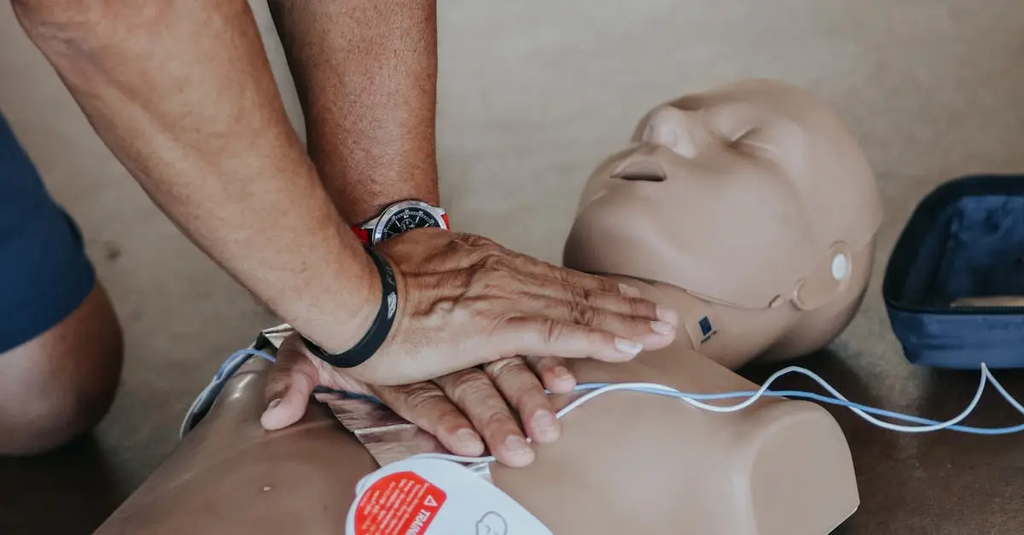
Surgical complications management refers to the systematic approach healthcare professionals use to identify, address, and resolve problems that arise during or after surgical procedures. It involves early detection of issues such as infections, bleeding, or organ dysfunction, followed by prompt intervention to minimize harm. Effective management relies on teamwork, clinical expertise, and evidence-based protocols to ensure patient safety, promote recovery, and reduce the risk of long-term adverse outcomes.
Surgical Complications Management
Surgical complications management refers to the systematic approach healthcare professionals use to identify, address, and resolve problems that arise during or after surgical procedures. It involves early detection of issues such as infections, bleeding, or organ dysfunction, followed by prompt intervention to minimize harm. Effective management relies on teamwork, clinical expertise, and evidence-based protocols to ensure patient safety, promote recovery, and reduce the risk of long-term adverse outcomes.
💡 Key Takeaways
- Recognize early signs of common post-op complications (infection, bleeding, organ dysfunction) and know when to escalate.
- Use standardized post-op monitoring and early warning scores to detect problems quickly.
- Initiate prompt management for complications (hemostasis, antibiotics, drainage, supportive care) and escalate as needed.
- Apply preventive strategies to reduce complications (asepsis, prophylaxis, pain and fluid management, wound care, thromboprophylaxis).
- Collaborate with the multidisciplinary team and document findings clearly to ensure safety and continuity of care.
❓ Frequently Asked Questions
What is surgical complications management?
A systematic approach to identifying, assessing, and treating problems that arise during or after surgery to minimize harm and support recovery.
What are common postoperative complications to monitor for?
Infection, bleeding or hematoma, organ dysfunction (e.g., respiratory, renal), wound dehiscence, anastomotic leaks, thromboembolism, and adverse reactions to anesthesia or fluids.
How are potential complications detected early?
Through vigilant vital signs monitoring, wound and drain assessment, careful review of pain and function, and selective use of labs or imaging to catch warning signs like fever, bleeding, or sudden changes in condition.
What are the typical steps if a complication is suspected?
Immediate stabilization, targeted diagnostic workup, and initiation of appropriate treatment (e.g., antibiotics for infection, hemostasis or reoperation for bleeding, supportive care), with timely specialist involvement.
How can surgical complications be prevented?
Adhere to sterile technique, implement appropriate antibiotic prophylaxis, use meticulous surgical technique, assess risk preoperatively, apply thromboembolism prevention, and follow recovery protocols like ERAS to promote safer outcomes.