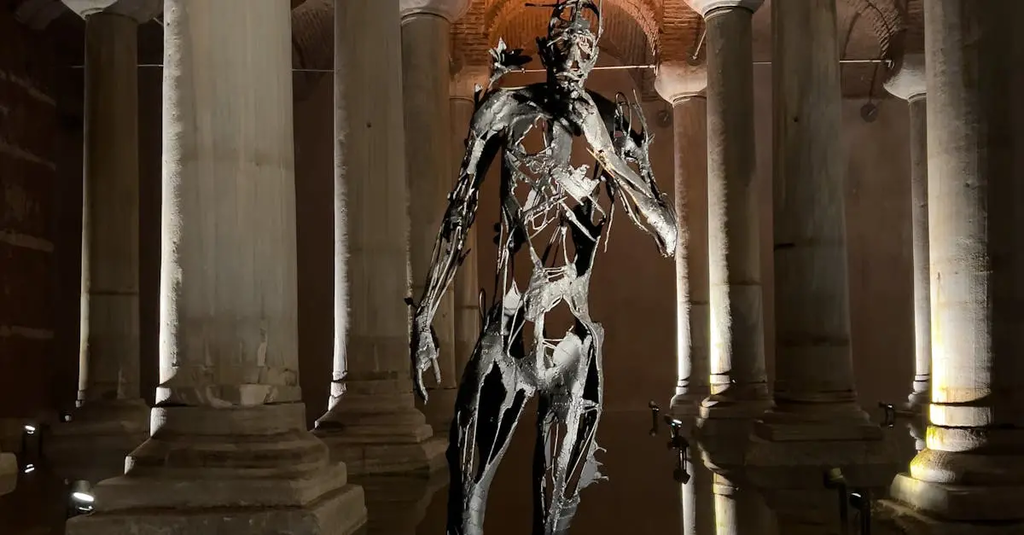
Surrealism is an influential 20th-century art movement that emerged in the 1920s, characterized by dreamlike, illogical imagery and unexpected juxtapositions. Drawing inspiration from psychoanalysis, especially the work of Sigmund Freud, surrealist artists sought to unlock the unconscious mind and express hidden desires and anxieties. Key figures include Salvador Dalí, René Magritte, and Max Ernst. Surrealism spanned visual arts, literature, and film, challenging conventional perceptions of reality and creativity.
Surrealism
Surrealism is an influential 20th-century art movement that emerged in the 1920s, characterized by dreamlike, illogical imagery and unexpected juxtapositions. Drawing inspiration from psychoanalysis, especially the work of Sigmund Freud, surrealist artists sought to unlock the unconscious mind and express hidden desires and anxieties. Key figures include Salvador Dalí, René Magritte, and Max Ernst. Surrealism spanned visual arts, literature, and film, challenging conventional perceptions of reality and creativity.
💡 Key Takeaways
- Surrealism aims to unlock the unconscious by using dreamlike, illogical imagery rather than rational, everyday scenes.
- Learn key techniques used by Surrealists, such as automatism, dream journaling, juxtaposition, and the paranoiac-critical method.
- Identify influential Surrealists and iconic works, including Dalí, Magritte, Breton, and pieces like The Persistence of Memory or The Treachery of Images.
- Explore how Surrealism shaped art, literature, film, and design through surreal symbols, unexpected combinations, and new ways of seeing.
❓ Frequently Asked Questions
What is Surrealism?
A 20th-century movement that aimed to unlock the unconscious mind, using dreamlike, irrational imagery and surprising juxtapositions to challenge everyday reality.
Who were the key figures of Surrealism?
Founders include André Breton; notable artists include Salvador Dalí, René Magritte, Max Ernst, and Joan Miró.
What techniques are common in Surrealism?
Automatic drawing/painting, dream imagery, exquisite corpse, collage, frottage, and other methods that invite chance and unconscious associations.
How can you recognize Surrealist art?
Look for dreamlike or uncanny scenes, illogical space, and unexpected combinations that defy conventional logic.
Why is Surrealism important or what impact did it have?
It challenged rational norms, explored the subconscious, and influenced later art, film, and literature with new ways of seeing.