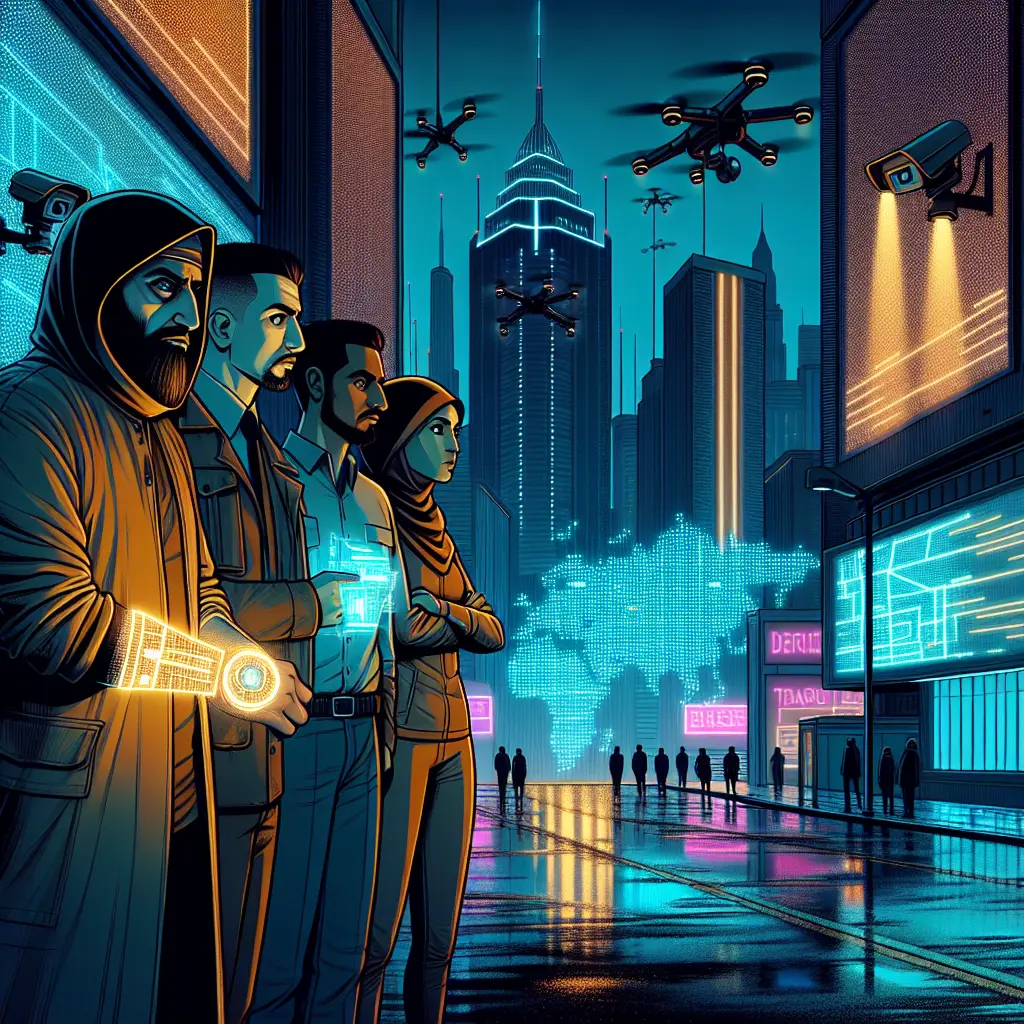
Surveillance states are nations where governments extensively monitor citizens through technology, data collection, and observation, often in the name of security or control. Resistance refers to the actions individuals or groups take to challenge, evade, or protest such monitoring. This dynamic creates tension between state power and personal freedoms, as citizens seek to protect privacy and civil liberties while authorities justify surveillance as necessary for public safety or order.
Surveillance States & Resistance
Surveillance states are nations where governments extensively monitor citizens through technology, data collection, and observation, often in the name of security or control. Resistance refers to the actions individuals or groups take to challenge, evade, or protest such monitoring. This dynamic creates tension between state power and personal freedoms, as citizens seek to protect privacy and civil liberties while authorities justify surveillance as necessary for public safety or order.
💡 Key Takeaways
- Understand how surveillance is depicted in franchises and universes through technology, data collection, and observation.
- Analyze the range of resistance strategies shown, from subtle evasion to organized activism.
- Compare real-world privacy–security tensions with their fictional counterparts to explore ethical implications.
- Identify common storytelling approaches that critique power, surveillance, and control across different worlds.
❓ Frequently Asked Questions
What is a surveillance state?
A political system where the government extensively collects data, monitors behavior, and uses technology to control or influence citizens, often at the expense of privacy.
What counts as resistance in this context?
Actions by individuals or groups to challenge, evade, or protest monitoring—such as privacy-preserving tech, leaks, civil disobedience, or underground networks in fiction.
How do franchises and universes portray surveillance differently?
They use unique technologies, settings, and cultural norms to explore privacy, power, and rebellion, showing both the reach of authorities and creative forms of resistance.
What common themes should you look for when answering quiz questions?
Security vs. privacy, ethical dilemmas, methods of surveillance, and how characters or societies resist or cope with monitoring.