Surveillance technologies refer to tools and systems used by authorities to monitor individuals’ activities, often for security or law enforcement purposes. The Fourth Amendment of the U.S. Constitution protects citizens against unreasonable searches and seizures, requiring warrants based on probable cause. As surveillance technologies advance, legal and ethical debates arise over how these tools intersect with Fourth Amendment protections, raising questions about privacy rights and government overreach in the digital age.
Surveillance technologies and Fourth Amendment limits
Surveillance technologies refer to tools and systems used by authorities to monitor individuals’ activities, often for security or law enforcement purposes. The Fourth Amendment of the U.S. Constitution protects citizens against unreasonable searches and seizures, requiring warrants based on probable cause. As surveillance technologies advance, legal and ethical debates arise over how these tools intersect with Fourth Amendment protections, raising questions about privacy rights and government overreach in the digital age.
💡 Key Takeaways
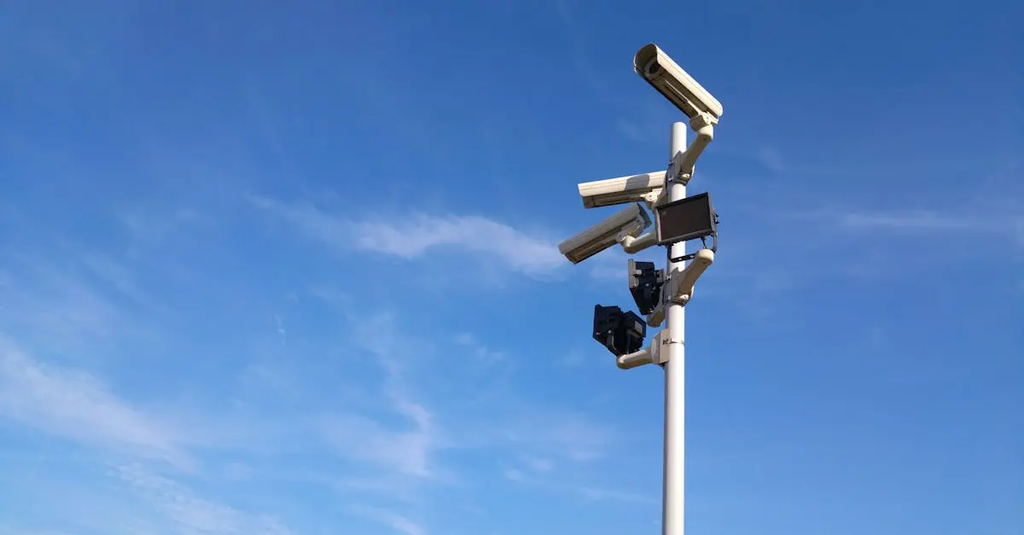
- Identify common surveillance technologies used by authorities (e.g., CCTV, facial recognition, cell-site location data, drones) and their security goals.
- Understand the Fourth Amendment's protection against unreasonable searches and seizures and the general warrant requirement.
- Learn when a warrant based on probable cause is generally needed for surveillance and what makes a warrant valid (particularity and scope).
- Explore how modern technology affects privacy expectations and how landmark cases like Carpenter v. United States shape Fourth Amendment limits on surveillance.
❓ Frequently Asked Questions
What does the Fourth Amendment protect in relation to surveillance technologies?
It protects against unreasonable searches and seizures; for surveillance tech, authorities generally must show a justified privacy intrusion and obtain a warrant based on probable cause before conducting invasive monitoring.
When is a warrant typically required for using surveillance technologies?
Warrants are usually required for invasive surveillance that intrudes on a reasonable expectation of privacy, such as long-term location tracking or monitoring communications. Exceptions include consent or exigent circumstances.
What is probable cause and why is it important for warrants?
Probable cause is a reasonable belief that a crime has occurred or that evidence or contraband is likely to be found in the searched area; it justifies the issuance of a search or surveillance warrant.
Which landmark cases influence Fourth Amendment limits on surveillance technology?
Key cases include Katz v. United States (privacy expectation), United States v. Jones (GPS tracking warrants), Carpenter v. United States (digital location data warrants), and Riley v. California (cell phone data protection.