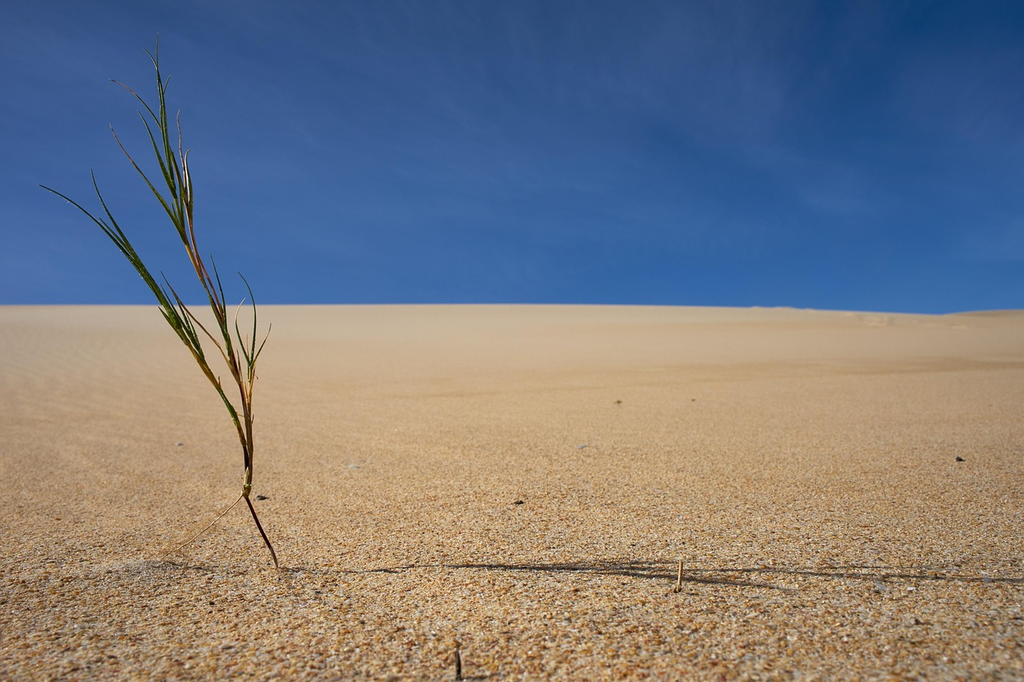
Survival in desert environments refers to the remarkable stories of individuals or groups who endure extreme heat, scarce water, and limited resources in arid landscapes. These survival stories often highlight human resilience, ingenuity, and adaptability, showcasing how people manage to find shelter, conserve water, and secure food against daunting odds. Such accounts inspire awe, emphasizing the importance of preparation, quick thinking, and determination when facing the harsh, unforgiving challenges of desert life.
Survival in Desert Environments
Survival in desert environments refers to the remarkable stories of individuals or groups who endure extreme heat, scarce water, and limited resources in arid landscapes. These survival stories often highlight human resilience, ingenuity, and adaptability, showcasing how people manage to find shelter, conserve water, and secure food against daunting odds. Such accounts inspire awe, emphasizing the importance of preparation, quick thinking, and determination when facing the harsh, unforgiving challenges of desert life.
💡 Key Takeaways
- Recognize the core desert survival priorities: water, shade (shelter), navigation, and signaling for rescue.
- Learn how to locate and conserve water, and how to spot dehydration signs early.
- Master heat-management basics: sun protection, appropriate clothing, and strategies to stay cool.
- Understand simple shelter-building, gear choices, and ways to reduce exposure and energy loss.
- Get practical guidance on safe travel timing, basic navigation, and call-for-help signaling in arid terrain.
❓ Frequently Asked Questions
What is the first priority in desert survival?
Water. Find and conserve it; rest in shade and limit heat exposure to prevent dehydration.
How can you protect yourself from sun and heat?
Seek shade, wear light, loose clothing and a wide-brimmed hat, use sunglasses, and travel during cooler parts of the day.
How should you handle navigation and signaling if you get lost?
If possible, stay put and use landmarks; create visible signals (bright cloth or mirror); use the sun or stars to orient yourself if you move.
What are common desert hazards and quick responses?
Dehydration/heat illness, sandstorms, and cold nights. Respond by drinking water, finding shelter, covering your mouth in dust, and layering for nighttime chill.