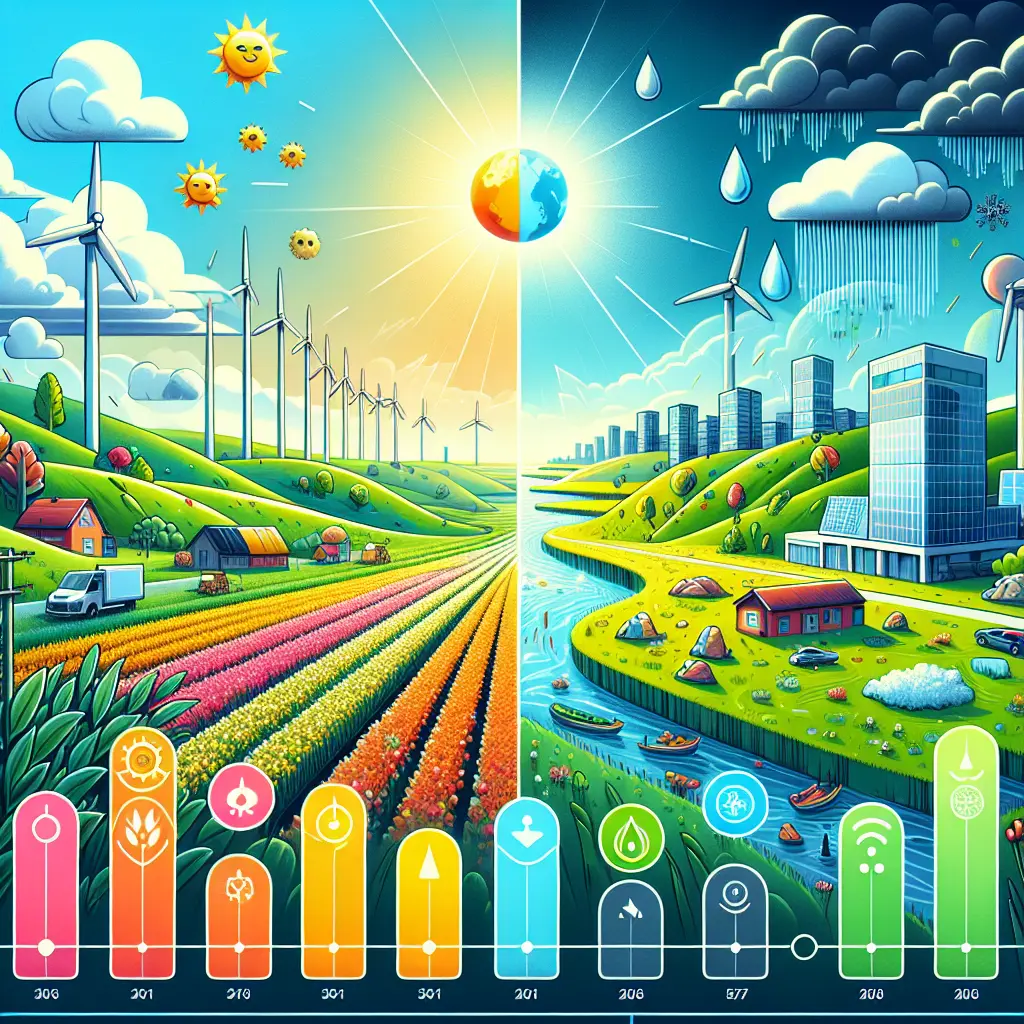
Sustainability and zero-waste festival practices focus on minimizing environmental impact by reducing waste, conserving resources, and promoting eco-friendly alternatives. These practices include using reusable or compostable materials, encouraging recycling, sourcing local and organic food, and implementing efficient energy solutions. Festivals adopting such measures aim to create enjoyable experiences while fostering environmental responsibility, raising awareness, and inspiring attendees to adopt sustainable habits in their daily lives.
Sustainability & Zero-Waste Festival Practices
Sustainability and zero-waste festival practices focus on minimizing environmental impact by reducing waste, conserving resources, and promoting eco-friendly alternatives. These practices include using reusable or compostable materials, encouraging recycling, sourcing local and organic food, and implementing efficient energy solutions. Festivals adopting such measures aim to create enjoyable experiences while fostering environmental responsibility, raising awareness, and inspiring attendees to adopt sustainable habits in their daily lives.
💡 Key Takeaways
- Understand the goals of zero-waste festival practices and their environmental benefits.
- Identify reusable and compostable alternatives to single-use festival products.
- Learn effective recycling, composting, and waste-sorting strategies to minimize waste.
- Explore procurement and on-site practices for local organic food, energy efficiency, and water conservation.
❓ Frequently Asked Questions
What does zero-waste mean for festivals?
Zero-waste aims to divert as much waste as possible from landfills by preventing waste, reusing items, and recycling or composting what’s left, with a focus on eliminating single-use materials.
What materials should festival organizers prioritize to reduce waste?
Prioritize reusable items (cups, plates, cutlery, water bottles) or clearly certified compostable options. Avoid mixed materials that are hard to recycle and provide easy access to recycling and composting stations.
How can recycling and composting be promoted at festivals?
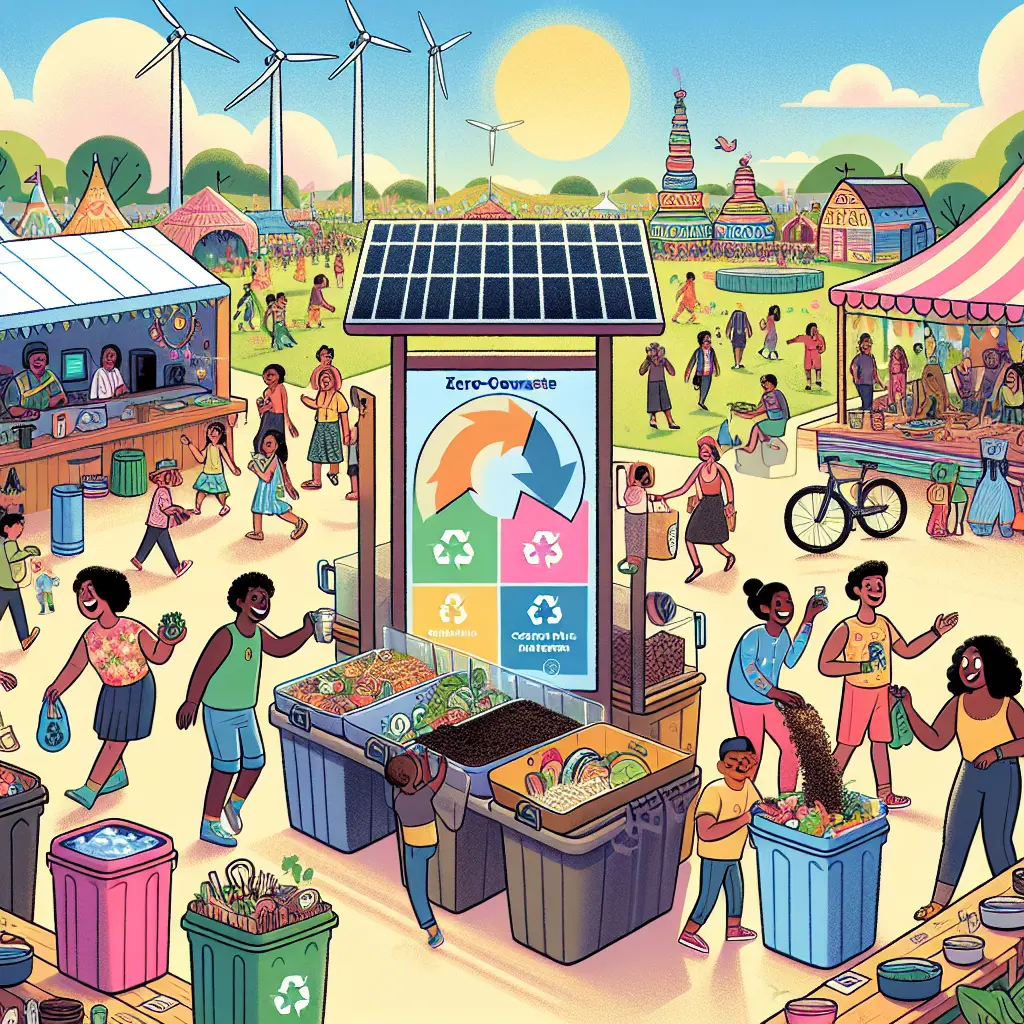
Use clearly labeled, color-coded bins, place them at key areas, train staff/volunteers to sort waste, post instructional signage, and partner with local recyclers/composters to handle collected materials.
Why source local and organic food at festivals?
Local sourcing reduces transportation emissions and packaging, supports nearby farmers, and organic options can lower pesticide exposure while aligning with sustainability goals.