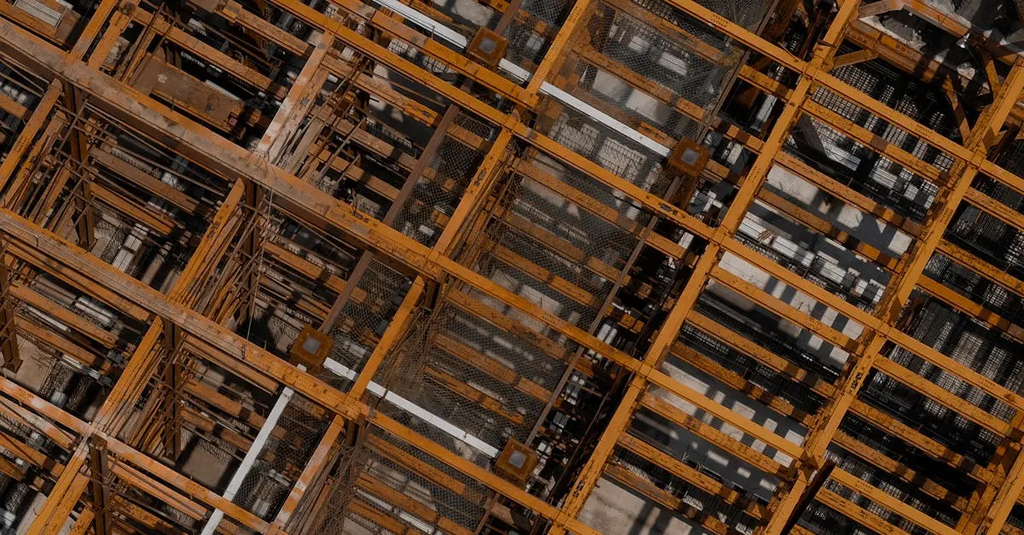
Sustainability in construction refers to practices that minimize negative environmental impacts throughout a building’s life cycle. This includes using eco-friendly materials, reducing waste, conserving energy and water, and prioritizing resource efficiency. Sustainable construction also considers the health and well-being of occupants and the surrounding community. By integrating green technologies and responsible design, the construction environment aims to create structures that are durable, cost-effective, and harmonious with nature for future generations.
Sustainability in Construction+50
Sustainability in construction refers to practices that minimize negative environmental impacts throughout a building’s life cycle. This includes using eco-friendly materials, reducing waste, conserving energy and water, and prioritizing resource efficiency. Sustainable construction also considers the health and well-being of occupants and the surrounding community. By integrating green technologies and responsible design, the construction environment aims to create structures that are durable, cost-effective, and harmonious with nature for future generations.
💡 Key Takeaways
- Understand the core principles of sustainability in construction and why they matter for the built environment.
- Identify sustainable materials and construction methods, focusing on embodied energy and carbon footprint.
- Learn strategies to reduce waste and enable circularity, including design for deconstruction and material reuse.
- Explore energy, water, and site efficiency strategies and how to integrate them into project design and decision-making.
❓ Frequently Asked Questions
What is sustainability in construction?
Practices that minimize environmental impacts across a building’s life cycle, from design and materials to operation and end-of-life.
What are eco-friendly materials in construction?
Materials with low embodied energy or high recyclability, such as recycled steel, responsibly sourced timber, fly ash concrete, bamboo, and low-VOC finishes.
Why is waste reduction important in construction?
It lowers landfill use, conserves resources, reduces costs, and supports a circular economy by reusing and recycling materials.
How can buildings conserve energy and water?
Through energy-efficient design and systems (insulation, efficient HVAC and lighting), use of renewable energy, water-saving fixtures, and rainwater harvesting.