Sustainability in IT and Green Computing refers to designing, using, and disposing of information technology in ways that minimize environmental impact. This involves energy-efficient hardware, reducing electronic waste, optimizing software to lower power consumption, and promoting recycling. The goal is to reduce carbon footprints, conserve resources, and ensure responsible management of technology throughout its lifecycle, ultimately supporting environmental and social well-being while maintaining technological advancement.
Sustainability in IT & Green Computing
Sustainability in IT and Green Computing refers to designing, using, and disposing of information technology in ways that minimize environmental impact. This involves energy-efficient hardware, reducing electronic waste, optimizing software to lower power consumption, and promoting recycling. The goal is to reduce carbon footprints, conserve resources, and ensure responsible management of technology throughout its lifecycle, ultimately supporting environmental and social well-being while maintaining technological advancement.
💡 Key Takeaways
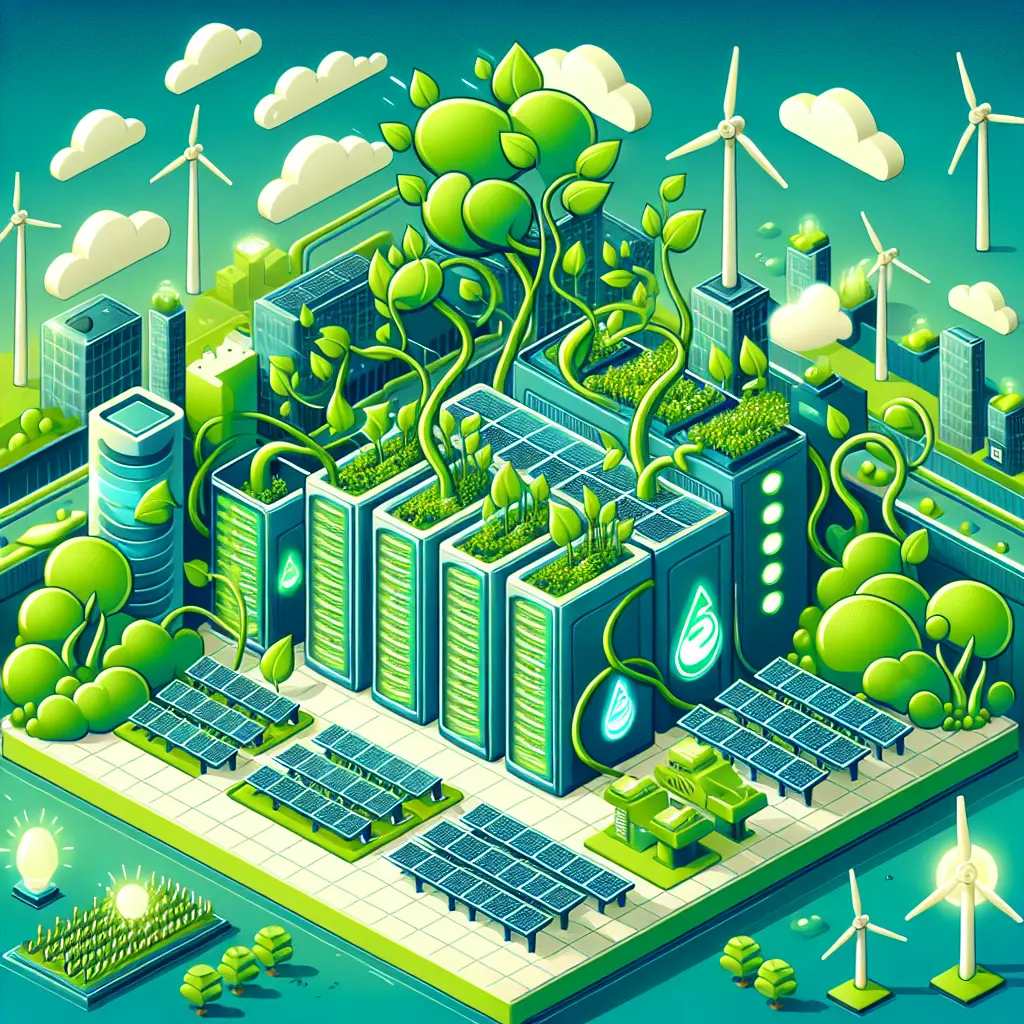
- Understand how hardware design and power-management features reduce IT energy use.
- Identify methods to reduce electronic waste and promote recycling and device longevity.
- Learn how software optimization and efficient coding lower power consumption and cooling needs.
- Explore sustainable IT operations, including green data centers, virtualization, and responsible procurement.
❓ Frequently Asked Questions
What is sustainability in IT and green computing?
Sustainability in IT means designing, using, and disposing of technology in ways that minimize environmental impact, including energy-efficient hardware, reducing electronic waste, optimizing software for lower power, and responsible recycling.
How does energy-efficient hardware help the environment?
It lowers power consumption and heat output, reduces cooling needs in data centers, and extends device life, cutting overall energy use.
What is electronic waste (e-waste) and why should it be managed properly?
E-waste is discarded electronics that can release hazardous substances; proper recycling and safe disposal recover materials, prevent pollution, and protect health.
How can software optimization contribute to green computing?
Efficient code and algorithms reduce CPU time and energy, while resource management and virtualization lower workload and power use.