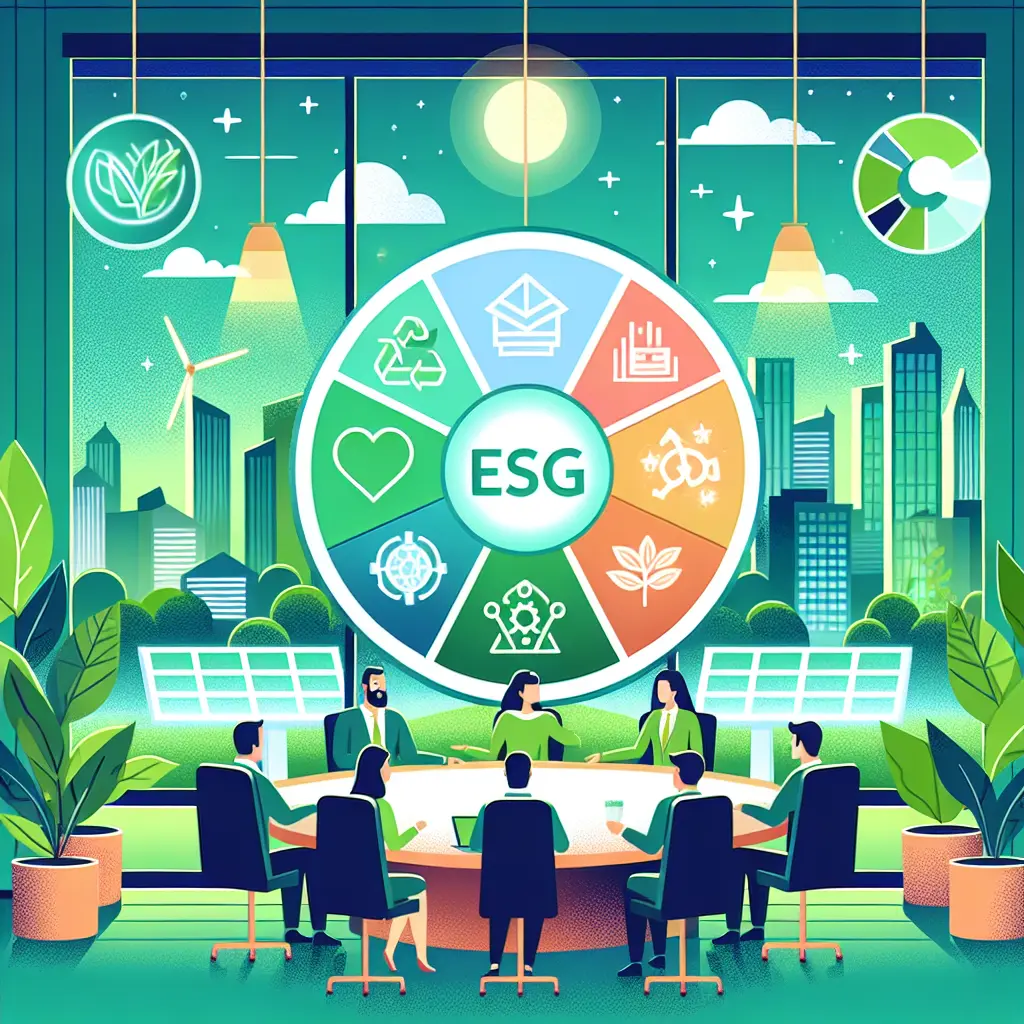
Sustainable business and ESG strategy refers to integrating environmental, social, and governance (ESG) considerations into a company’s core operations and decision-making. This approach aims to create long-term value by minimizing negative impacts on the environment and society, ensuring ethical governance, and promoting transparency. Companies adopting such strategies seek to balance profitability with responsibility, meeting stakeholder expectations and regulatory requirements while contributing positively to global sustainability goals.
Sustainable Business and ESG Strategy
Sustainable business and ESG strategy refers to integrating environmental, social, and governance (ESG) considerations into a company’s core operations and decision-making. This approach aims to create long-term value by minimizing negative impacts on the environment and society, ensuring ethical governance, and promoting transparency. Companies adopting such strategies seek to balance profitability with responsibility, meeting stakeholder expectations and regulatory requirements while contributing positively to global sustainability goals.
💡 Key Takeaways
- Understand ESG components (Environmental, Social, Governance) and their impact on long-term value.
- Learn how to embed ESG into core strategy, operations, and decision-making.
- Practice materiality assessment and stakeholder engagement to prioritize ESG issues.
- Explore ESG metrics, reporting frameworks, and how to communicate performance to stakeholders.
❓ Frequently Asked Questions
What does ESG stand for?
ESG stands for Environmental, Social, and Governance. It covers non-financial factors that influence a company's long-term performance.
How can ESG strategy create long-term value for a business?
By reducing risks, cutting costs through efficiency, attracting investment, and strengthening trust with customers and communities.
What are common environmental, social, and governance considerations?
Environmental: emissions, energy and water use, waste; Social: labor practices, diversity, community impact; Governance: ethics, board structure, transparency, and risk management.
How is ESG integrated into decision-making?
ESG is embedded in strategy, planning, budgeting, supplier choices, and governance processes with clear metrics, reporting, and accountability.