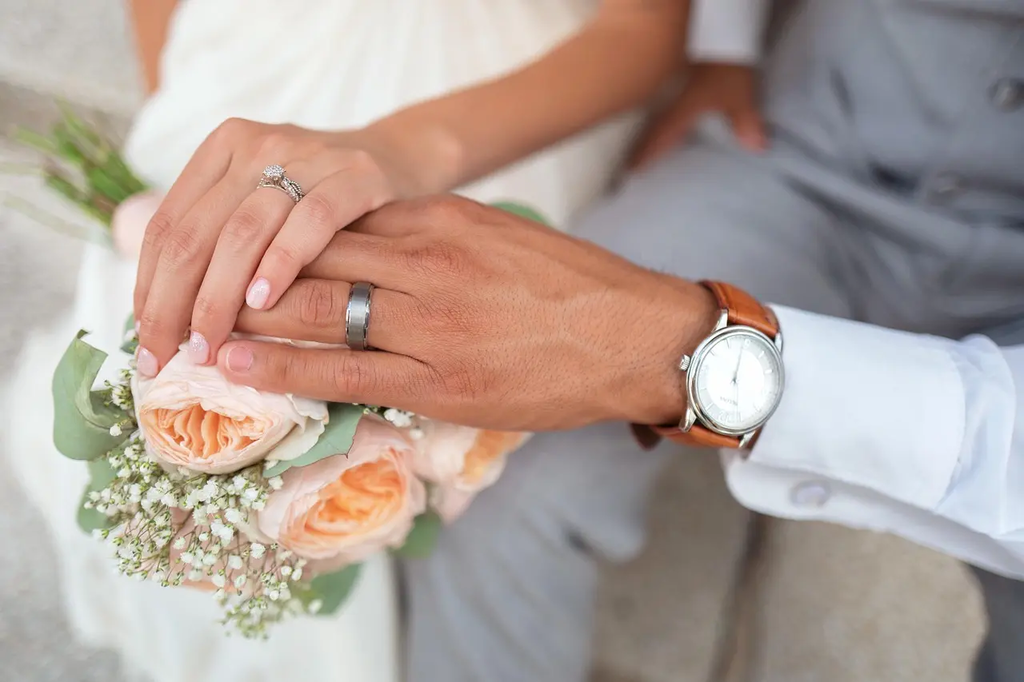
Symbolism in wedding ceremonies worldwide reflects the cultural values, beliefs, and traditions of different societies. Rituals such as exchanging rings, lighting candles, or wearing specific colors often represent unity, love, purity, or the joining of families. These symbolic acts convey deeper meanings, fostering a sense of connection and continuity. By incorporating symbols, couples honor their heritage, express their commitment, and create lasting memories that transcend language and geography.
Symbolism in Wedding Ceremonies Worldwide
Symbolism in wedding ceremonies worldwide reflects the cultural values, beliefs, and traditions of different societies. Rituals such as exchanging rings, lighting candles, or wearing specific colors often represent unity, love, purity, or the joining of families. These symbolic acts convey deeper meanings, fostering a sense of connection and continuity. By incorporating symbols, couples honor their heritage, express their commitment, and create lasting memories that transcend language and geography.

💡 Key Takeaways
- Recognize common wedding symbols (rings, candles, colors) and what they typically represent (unity, love, purity) across cultures.
- Explore how rituals like ring exchanges and candle lightings symbolize the joining of families and shared commitments.
- Compare regional variations in symbolism and how traditions reflect cultural values, beliefs, and social meanings.
- Consider how modern weddings adapt traditional symbols to reflect personal identity while preserving their core meanings.
❓ Frequently Asked Questions
What does exchanging wedding rings symbolize?
Exchanging rings represents commitment and eternal love; the circular shape signifies a never-ending bond and a vow to stay united.
Why are unity candle or light rituals used in weddings?
A unity candle (or similar light ritual) symbolizes two individuals joining as one future, with their combined light representing shared life and new beginnings.
What do common wedding colors typically symbolize?
Colors convey meanings: white for purity/new beginnings in many Western traditions; red for love, luck, and prosperity in many Asian and Latin cultures; blue for fidelity; gold for wealth or success, though meanings vary by culture.
How do ceremonies symbolize the joining of families across cultures?
Rituals like handfasting, cord tying, or blessings from elders emphasize that two families are uniting, not just two individuals, inviting communal support for the couple.