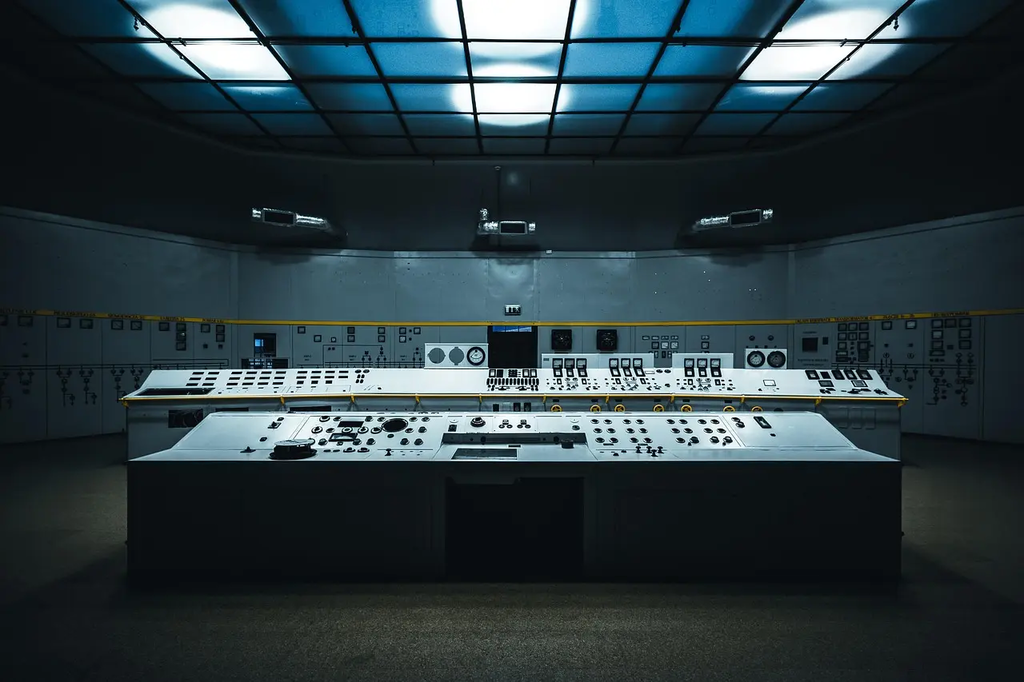
Synchronization and timing in telecoms, signals, and power refer to the precise coordination of clocks and signals across networks and systems. This ensures that data is transmitted, received, and processed accurately without errors or loss. In telecommunications, synchronization maintains alignment between network nodes. In signal processing, it ensures correct sequencing. For power systems, timing coordinates grid operations and protects against faults. Accurate synchronization is crucial for reliability, efficiency, and safety in these fields.
Synchronization and Timing
Synchronization and timing in telecoms, signals, and power refer to the precise coordination of clocks and signals across networks and systems. This ensures that data is transmitted, received, and processed accurately without errors or loss. In telecommunications, synchronization maintains alignment between network nodes. In signal processing, it ensures correct sequencing. For power systems, timing coordinates grid operations and protects against faults. Accurate synchronization is crucial for reliability, efficiency, and safety in these fields.

💡 Key Takeaways
- Understand the purpose of synchronization to coordinate actions and prevent conflicts in systems.
- Grasp key timing concepts such as latency, jitter, and deadlines, and how they influence performance.
- Learn common synchronization mechanisms (locks, semaphores, barriers) and when to use them.
- Explore approaches to achieving predictable timing (real-time scheduling, timeouts, clock synchronization) and diagnosing timing issues.
❓ Frequently Asked Questions
What does synchronization mean in a system?
Synchronization is aligning events or signals to a common time reference so they occur in a coordinated, predictable way—essential for coordinating actions across components.
What is timing and why is it important?
Timing refers to when events occur and how long they take. Accurate timing ensures correct sequencing, reliable data, and smooth operation; poor timing can cause errors and performance issues.
What are clock skew and jitter, and why do they matter?
Clock skew is the difference in arrival time of a clock signal between components; jitter is short-term variation in a clock's period. Both can break synchronization and degrade performance if not controlled.
How do distributed systems synchronize clocks?
Common methods include NTP (Network Time Protocol) for general timing and PTP (Precision Time Protocol) for higher precision, often with hardware timestamping to estimate clock offsets and adjust clocks.
What is the difference between phase synchronization and frequency synchronization?
Phase synchronization aligns the timing phase of signals so they line up in the same point of their cycle; frequency synchronization makes sure the signals run at the same rate. Both may be needed in sampling, communication, and control systems.