Synthetic media and deepfakes involve the use of artificial intelligence to create realistic but fabricated images, videos, or audio. In narratives, these technologies can blur the line between fact and fiction, enabling creators to manipulate stories or historical events convincingly. While they offer innovative storytelling possibilities, they also raise ethical concerns about misinformation, trust, and authenticity in media, challenging audiences to critically assess the content they consume.
Synthetic Media & Deepfakes in Narratives
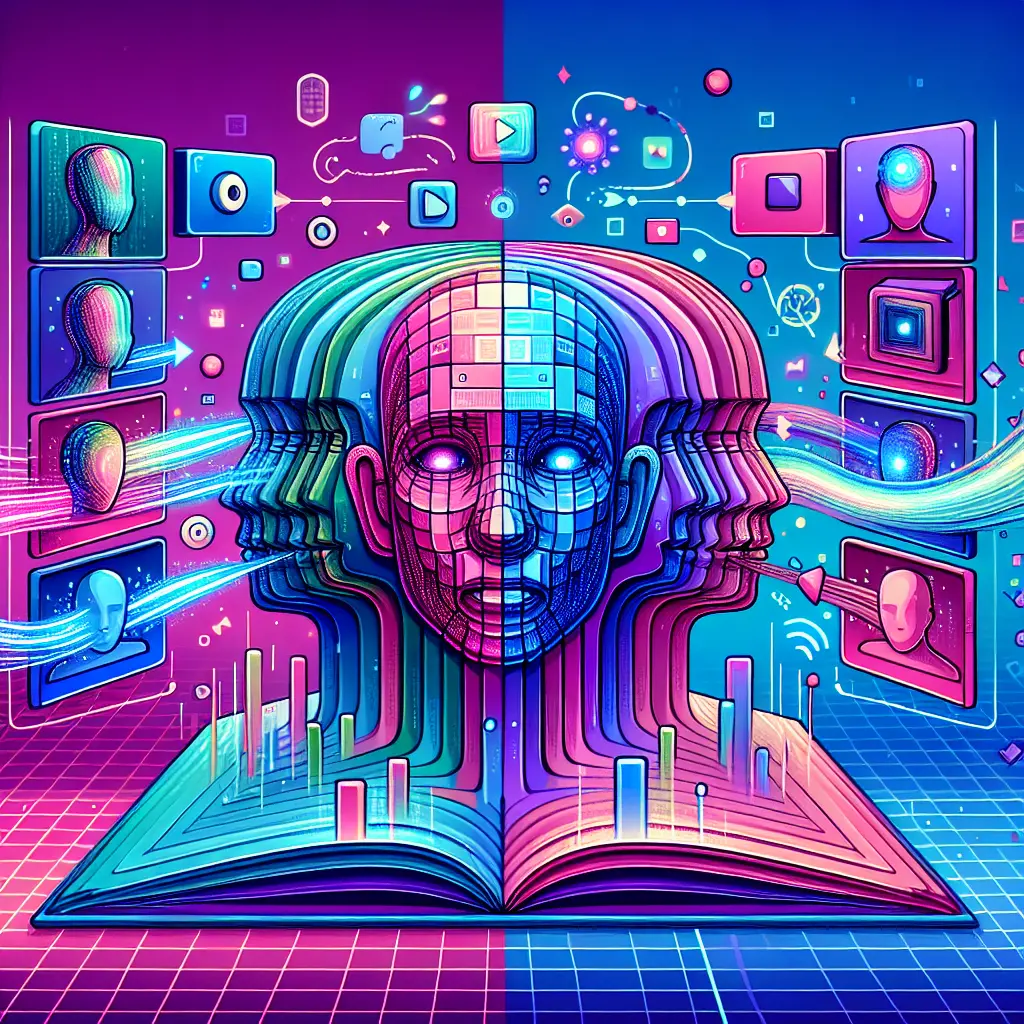
Synthetic media and deepfakes involve the use of artificial intelligence to create realistic but fabricated images, videos, or audio. In narratives, these technologies can blur the line between fact and fiction, enabling creators to manipulate stories or historical events convincingly. While they offer innovative storytelling possibilities, they also raise ethical concerns about misinformation, trust, and authenticity in media, challenging audiences to critically assess the content they consume.
💡 Key Takeaways
- How AI-based synthetic media is created and what makes it realistic.
- How deepfakes can blur truth and fiction in sci-fi narratives and history.
- Techniques to detect manipulated visuals and audio and verify authenticity.
- Ethical, legal, and societal implications of using synthetic media in storytelling.
❓ Frequently Asked Questions
What are synthetic media and deepfakes?
Synthetic media uses AI to generate or alter images, videos, or audio that look real but are fabricated. Deepfakes are a type of synthetic media that replaces or overlays a person's likeness in media.
How can deepfakes affect storytelling and our sense of truth in narratives?
In sci‑fi and cyber futures, realistic fakes can blur fact and fiction, enabling exploring themes like memory, trust, and manipulation, and challenging viewers to question what they see.
What are common signs that media might be a deepfake?
Look for visual glitches or inconsistencies: unusual blinking, odd facial movements, unnatural lighting or shadows, and audio-visual mismatches.
How can audiences evaluate synthetic media and protect themselves?
Check the source, seek corroboration from credible outlets, and use reputable fact-checking tools or platforms to verify authenticity.