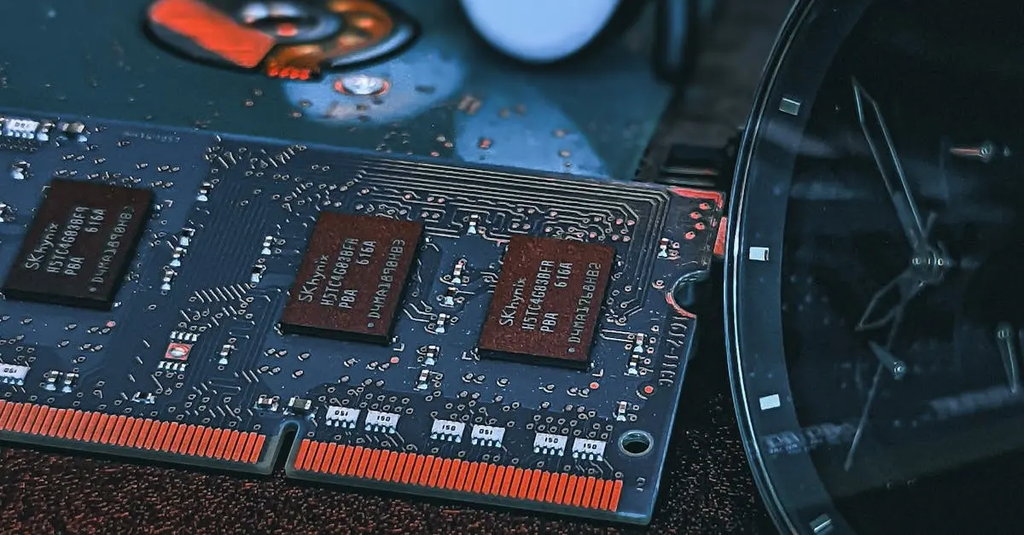
System-in-Package (SiP) and 3D IC integration are advanced electronic packaging technologies that combine multiple integrated circuits (ICs) and components within a single package. SiP incorporates diverse functions, such as processors and memory, into one compact module, reducing space and improving performance. 3D IC integration stacks multiple IC layers vertically, interconnected through technologies like through-silicon vias (TSVs), enabling higher device density, faster data transfer, and enhanced energy efficiency in modern electronics.
System-in-Package and 3D IC integration
System-in-Package (SiP) and 3D IC integration are advanced electronic packaging technologies that combine multiple integrated circuits (ICs) and components within a single package. SiP incorporates diverse functions, such as processors and memory, into one compact module, reducing space and improving performance. 3D IC integration stacks multiple IC layers vertically, interconnected through technologies like through-silicon vias (TSVs), enabling higher device density, faster data transfer, and enhanced energy efficiency in modern electronics.
💡 Key Takeaways
- Define System-in-Package (SiP) and 3D IC integration and how they differ.
- Describe common 3D-IC stacking approaches (TSV, interposers, die-to-die bonding) and when each is used.
- Explain the main benefits (smaller form factor, higher integration, shorter interconnects) and challenges (thermal, test, cost) of SiP/3D IC.
- Identify typical application areas (mobile, AI accelerators, IoT) and key design considerations (power delivery, signal integrity, thermal management).
❓ Frequently Asked Questions
What is System-in-Package (SiP)?
SiP is a packaging approach that integrates multiple ICs and passive components into a single package to form a complete system.
What is a 3D integrated circuit (3D-IC)?
A 3D-IC stacks multiple dies vertically and connects them with vertical interconnects (e.g., TSVs or micro-bumps) for higher density and shorter interconnects.
How do 2.5D interposers relate to SiP and 3D-ICs?
2.5D uses an interposer to place multiple dies side-by-side within one package, enabling high interconnect density without full vertical stacking.
What are common challenges in SiP/3D-IC integration?
Thermal management, interconnect complexity, testing and yield, bonding/alignment precision, reliability, and higher manufacturing costs.