A systems approach integrating diet, microbiome, and metabolomics examines how dietary components influence the gut microbiome and, in turn, how microbial activity affects metabolic processes in the body. By analyzing these interconnected systems, researchers can better understand individual health, disease risk, and personalized nutrition strategies, offering holistic insights into how food, gut bacteria, and metabolism collectively shape overall well-being.
Systems Approach: Diet, Microbiome & Metabolomics
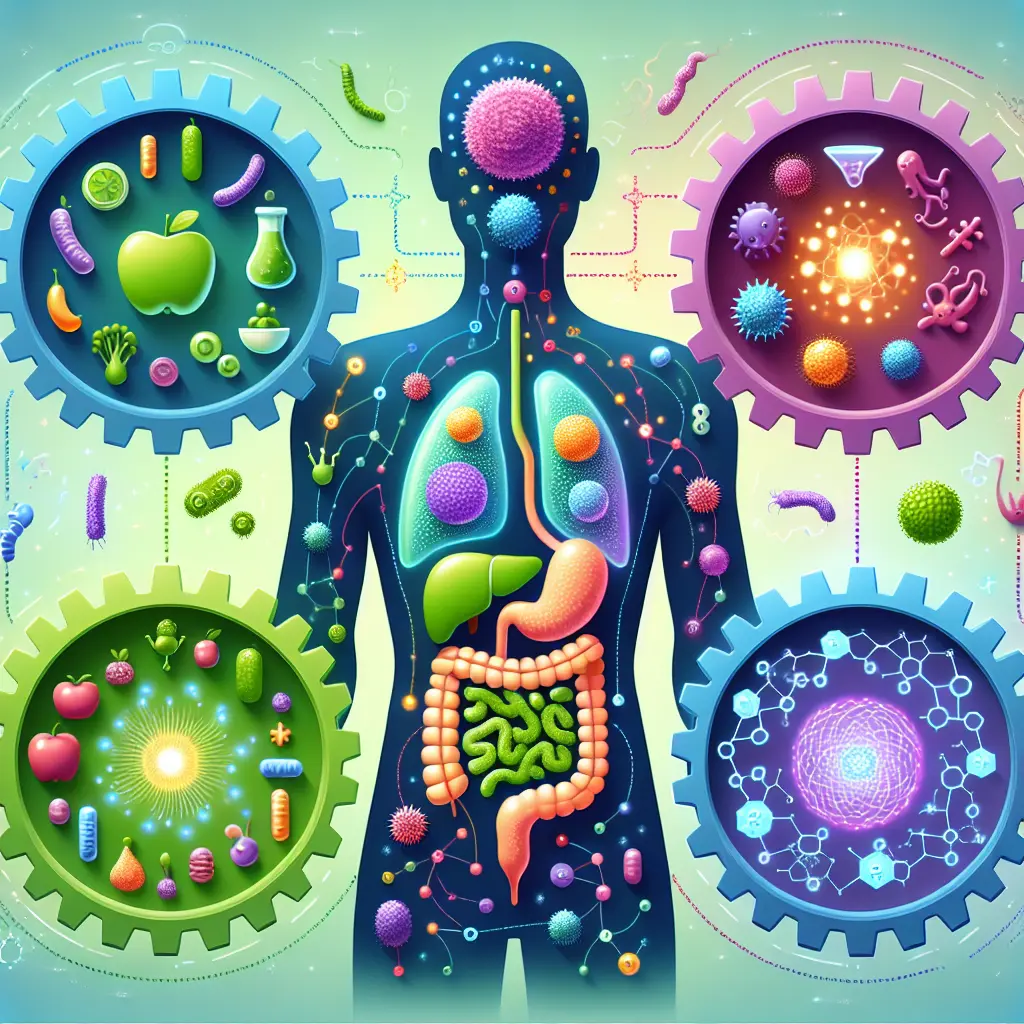
A systems approach integrating diet, microbiome, and metabolomics examines how dietary components influence the gut microbiome and, in turn, how microbial activity affects metabolic processes in the body. By analyzing these interconnected systems, researchers can better understand individual health, disease risk, and personalized nutrition strategies, offering holistic insights into how food, gut bacteria, and metabolism collectively shape overall well-being.
💡 Key Takeaways
- See how dietary components shape the gut microbiome’s composition and activity.
- Explore how microbial metabolism converts food into metabolites that influence host metabolism and health.
- Understand how a systems approach links diet, microbiome, and metabolomics to explain individual health differences.
- Learn about research methods used to study diet–microbiome–metabolomics interactions (e.g., metagenomics, metabolomics) and their implications for personalized nutrition.
❓ Frequently Asked Questions
What is a systems approach to diet, microbiome, and metabolomics?
An integrated view that links what you eat, the gut microbes that process it, and the metabolites produced, to understand health outcomes.
How does diet influence the gut microbiome?
Diet provides substrates for microbes; different foods can shift microbial composition and activity, changing metabolite production and host responses.
What is metabolomics in this context?
The study of small-molecule metabolites in biological samples, reflecting how diet and microbes shape the body's metabolic state.
How do microbial activities affect the body's metabolism?
Microbes convert dietary components into metabolites that can enter circulation and influence energy use, inflammation, and signaling pathways.