Tactics, strategy, and organization in activism refer to the methods and plans activists use to achieve their goals within the context of culture, religion, and society. Tactics are specific actions, strategy is the overarching plan, and organization involves structuring groups for effective action. These elements are shaped by cultural norms, religious beliefs, and societal structures, influencing how movements mobilize support, communicate messages, and create meaningful social change.
Tactics, Strategy & Organization in Activism
Tactics, strategy, and organization in activism refer to the methods and plans activists use to achieve their goals within the context of culture, religion, and society. Tactics are specific actions, strategy is the overarching plan, and organization involves structuring groups for effective action. These elements are shaped by cultural norms, religious beliefs, and societal structures, influencing how movements mobilize support, communicate messages, and create meaningful social change.
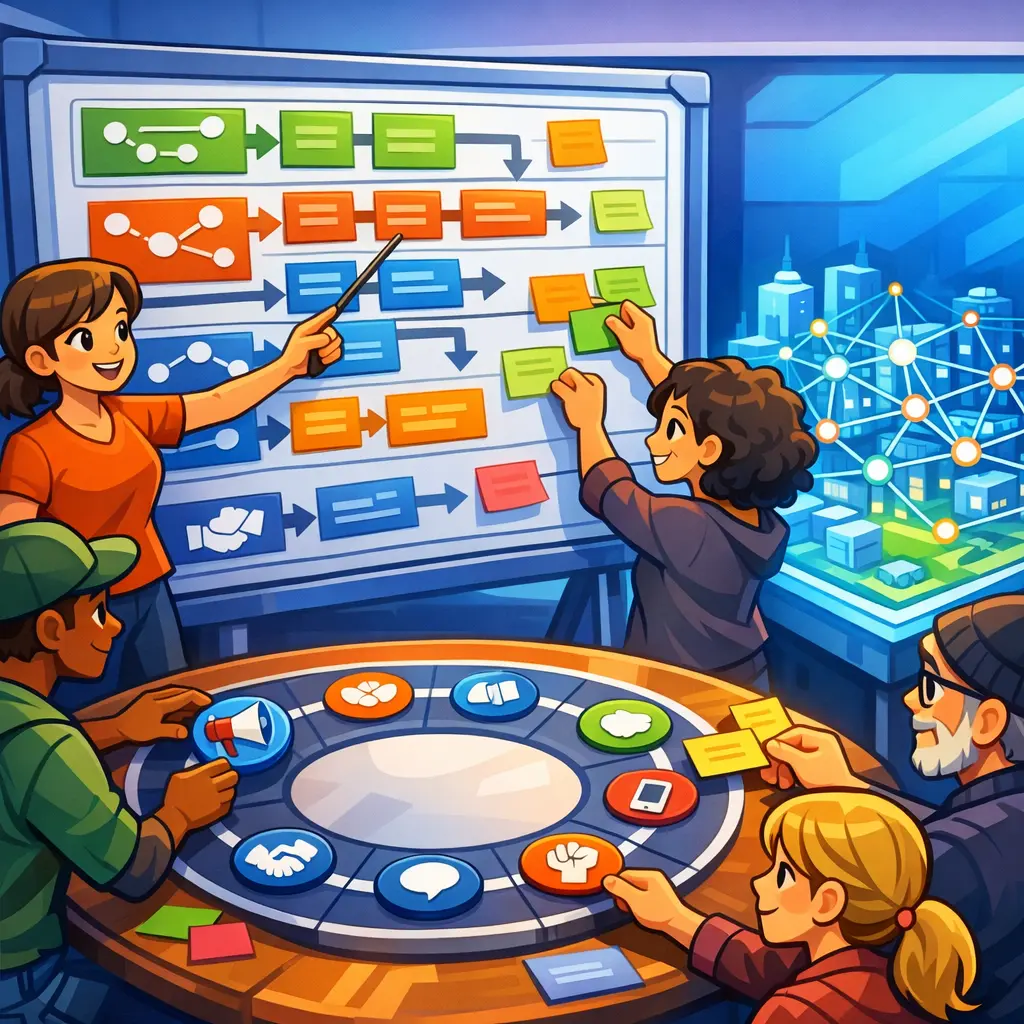
💡 Key Takeaways
- Distinguish tactics (actions) from strategy (goals and plan) in activism.
- Design an organizing plan to recruit, activate, and retain supporters.
- Build inclusive coalitions and communicate a clear narrative to diverse audiences.
- Practice ethical, legal, nonviolent activism with safety considerations.
- Measure impact with simple metrics and iterate based on feedback.
❓ Frequently Asked Questions
What is the difference between strategy and tactics in activism?
Strategy is the long‑term plan to achieve a goal; tactics are the specific actions taken to advance the strategy in the moment.
What does 'organization' mean in an activism context?
Organization is building a group with clear roles, coordinating resources, and sustaining participation to pursue a shared mission.
How should activists set goals for a campaign?
Set SMART goals: Specific, Measurable, Achievable, Relevant, and Time-bound, aligned with the overall strategy and track progress.
What are some common, nonviolent tactics used in activism?
Examples include peaceful protests, petition drives, public information campaigns, lobbying, boycotts, letters to decision-makers, and social media outreach.