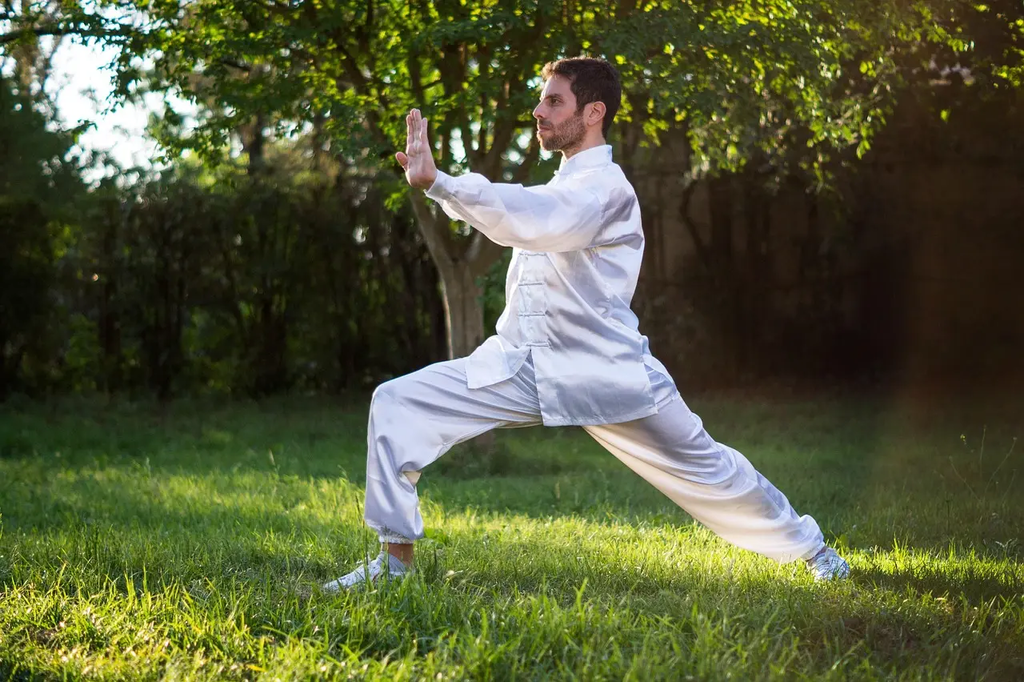
Tai Chi for Health (Healing) refers to the practice of Tai Chi, a gentle form of exercise originating from China, specifically aimed at improving physical and mental well-being. Through slow, controlled movements and deep breathing, Tai Chi enhances balance, flexibility, and relaxation. It is often used as a therapeutic activity to reduce stress, alleviate chronic pain, improve mobility, and support overall health, making it suitable for people of all ages and fitness levels.
Tai Chi for Health
Tai Chi for Health (Healing) refers to the practice of Tai Chi, a gentle form of exercise originating from China, specifically aimed at improving physical and mental well-being. Through slow, controlled movements and deep breathing, Tai Chi enhances balance, flexibility, and relaxation. It is often used as a therapeutic activity to reduce stress, alleviate chronic pain, improve mobility, and support overall health, making it suitable for people of all ages and fitness levels.
💡 Key Takeaways
- Understand how slow, mindful Tai Chi supports health and stress reduction.
- Learn basic Tai Chi postures and movements to start a safe home practice.
- Improve balance, flexibility, and coordination with low-impact, continuous movements.
- Practice integrated breathing techniques to enhance relaxation and vitality.
❓ Frequently Asked Questions
What is Tai Chi and how does it benefit health?
Tai Chi is a slow, flowing form of Chinese movement practice that combines gentle postures, breathing, and balance training. It can improve balance, flexibility, muscle strength, mood, and cardiovascular health, and may help reduce stress.
What are the core principles to focus on in Tai Chi for health?
Focus on relaxed, aligned posture; soft joints; slow, coordinated movements; deep, even breathing; and mindful weight transfer and body awareness.
Is Tai Chi suitable for beginners and older adults?
Yes. It’s gentle and scalable. Start with basic moves and short sessions; consider a qualified instructor. Consult a healthcare provider if you have chronic conditions or mobility issues.
How often should I practice and for how long?
Aim for 10–20 minutes daily, 3–5 days a week initially. Gradually increase to 30–60 minutes as comfortable. Regular practice yields the best health benefits.