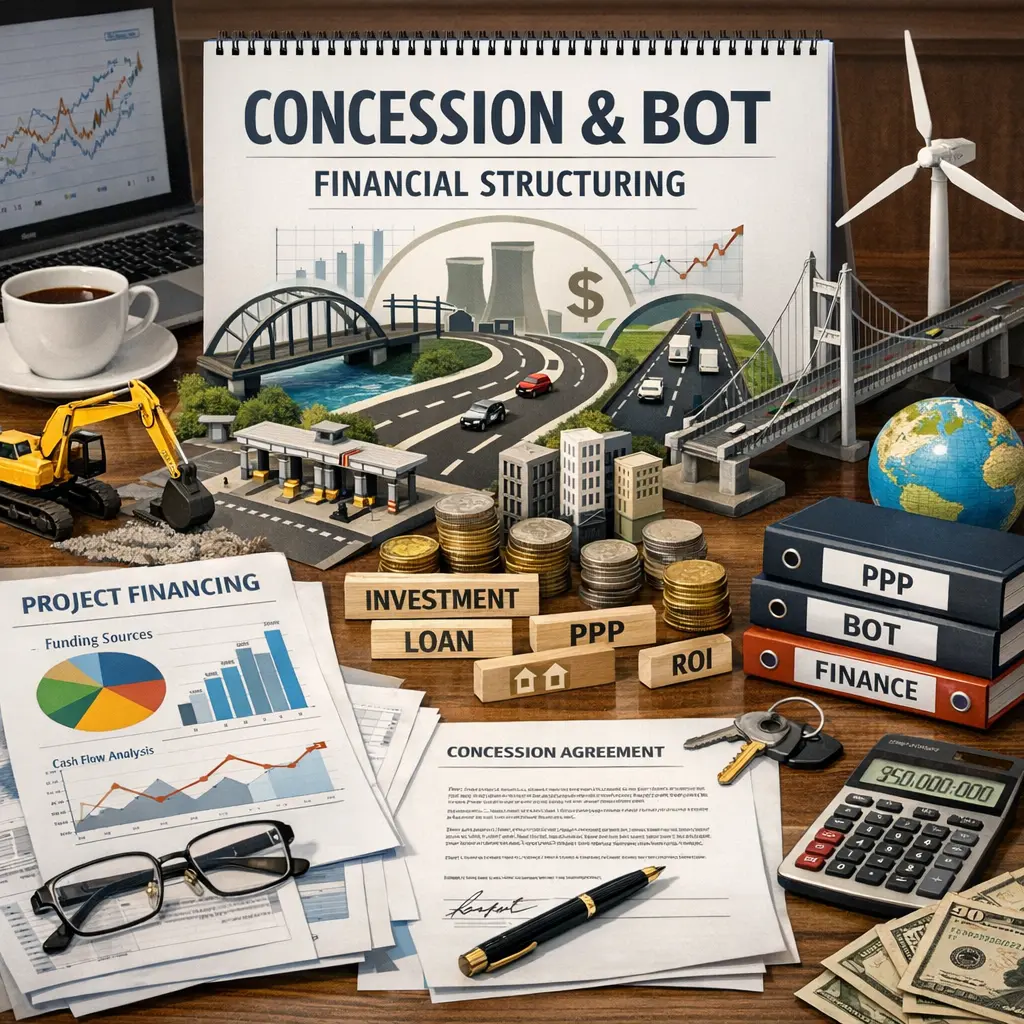
Tax planning for construction firms involves strategically managing finances to minimize tax liabilities while complying with laws. It includes choosing optimal accounting methods, maximizing deductions for equipment and labor, managing project timing, and leveraging tax credits. Effective tax planning enhances cash flow, supports business growth, and ensures resources are allocated efficiently. Integrating tax strategies with broader financial management and business practices helps construction firms remain competitive and financially stable.
Tax Planning for Construction Firms
Tax planning for construction firms involves strategically managing finances to minimize tax liabilities while complying with laws. It includes choosing optimal accounting methods, maximizing deductions for equipment and labor, managing project timing, and leveraging tax credits. Effective tax planning enhances cash flow, supports business growth, and ensures resources are allocated efficiently. Integrating tax strategies with broader financial management and business practices helps construction firms remain competitive and financially stable.
💡 Key Takeaways
- Understand the core tax obligations for construction firms (VAT/GST, payroll taxes, corporate tax) and key filing deadlines.
- Maximize deductions and credits relevant to construction, including equipment depreciation, vehicle costs, subcontractor payments, and site expenses.
- Structure projects and entities for tax efficiency, covering contract types, revenue recognition, and entity choice.
- Leverage depreciation and capital allowances on construction equipment and major assets (e.g., bonus depreciation, Section 179 where available).
- Improve cash flow management with best practices for estimated tax payments and timing of deductions.
❓ Frequently Asked Questions
What accounting method should a construction firm use for tax planning?
Construction firms can usually choose cash or accrual accounting. Cash basis taxes income when money is received; accrual recognizes income and expenses when earned or incurred. The choice affects timing of tax liabilities and deductions—align it with cash flow and project timelines and consult a tax advisor before switching.
How does project timing affect tax obligations for long-term contracts?
Revenue and related costs are generally recognized in the period they are earned or incurred. For long-term jobs, keep detailed job costing and understand how recognition rules impact when you book income and deductions to optimize tax outcomes.
What deductible expenses should a construction firm track?
Track ordinary and necessary business costs: wages, subcontractor payments, materials, equipment depreciation, lease payments, interest, insurance, permits, travel, and training. Also monitor startup costs and any eligible depreciation or investment deductions.
How should subcontractors and payroll be handled to stay compliant?
Classify workers correctly as employees or independent contractors, issue proper forms, and withhold payroll taxes when applicable. Maintain contracts, insurance, and workers' compensation records, and keep clear payment records for contractors.
Are there tax incentives or credits relevant to construction firms?
Yes. Depending on jurisdiction, you may qualify for energy-efficiency or retrofit credits, R&D or process-improvement credits, and workforce development or apprenticeship credits. Availability and limits vary by location and project.