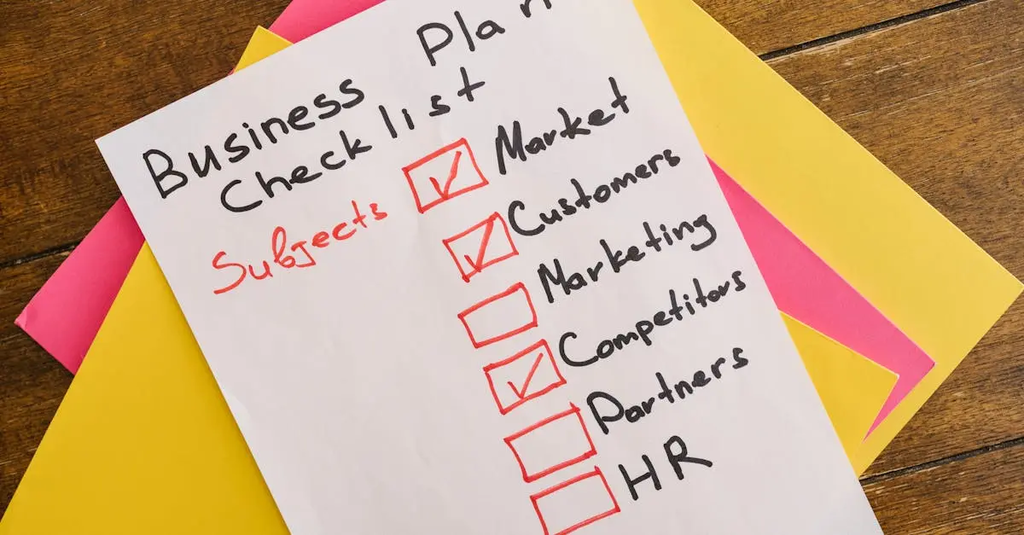
Team Building & Hiring Basics refers to the fundamental practices involved in assembling and nurturing an effective team. It includes identifying the right talent through structured recruitment, evaluating candidates for skills and cultural fit, and fostering collaboration among team members. Emphasis is placed on clear communication, trust-building, and setting shared goals, ensuring that new hires integrate smoothly and contribute positively to the team’s overall performance and cohesion.
Team Building & Hiring Basics
Team Building & Hiring Basics refers to the fundamental practices involved in assembling and nurturing an effective team. It includes identifying the right talent through structured recruitment, evaluating candidates for skills and cultural fit, and fostering collaboration among team members. Emphasis is placed on clear communication, trust-building, and setting shared goals, ensuring that new hires integrate smoothly and contribute positively to the team’s overall performance and cohesion.

💡 Key Takeaways
- Understand structured recruitment steps to identify and hire the right talent.
- Learn how to evaluate candidates for both technical skills and cultural fit.
- Discover onboarding and integration practices that accelerate team cohesion.
- Apply team-building and collaboration strategies to boost trust, communication, and accountability.
❓ Frequently Asked Questions
What is structured recruitment?
Structured recruitment is a defined, repeatable hiring process with clear job descriptions, standardized screening, and a consistent interview framework to fairly evaluate candidates.
How should you evaluate candidates for skills and cultural fit?
Assess technical skills with practical tasks or validated tests, and gauge cultural fit through behavioral questions, teamwork scenarios, and alignment with company values.
Why is onboarding important for team building?
Onboarding aligns new hires with goals and processes, helps them build relationships quickly, and accelerates productive collaboration within the team.
What strategies foster collaboration among team members?
Set clear goals and roles, create psychological safety, enable open communication, use cross-functional work, and provide collaborative tools and regular feedback.
What metrics indicate successful hiring?
Time-to-fill, quality of hire, onboarding ramp and performance, new-hire turnover, and candidate and manager satisfaction help gauge hiring effectiveness.