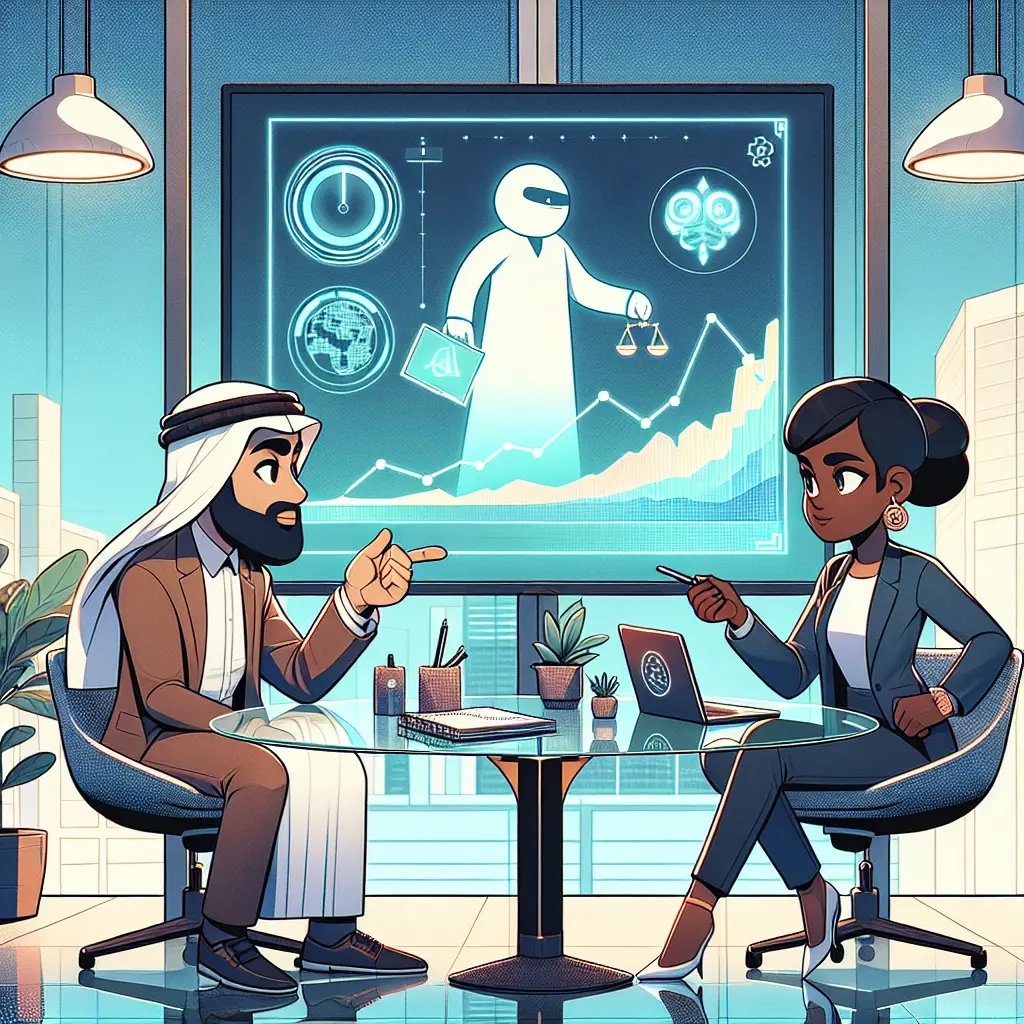
Team dynamics refer to the interactions and relationships among team members, influencing how effectively a group collaborates and achieves goals. Diversity involves the presence of varied backgrounds, perspectives, and experiences within the team, enriching problem-solving and creativity. Inclusion ensures that all members feel valued, respected, and empowered to contribute fully. Together, these elements foster a positive, innovative, and productive work environment, driving overall team success and satisfaction.
Team Dynamics, Diversity, and Inclusion
Team dynamics refer to the interactions and relationships among team members, influencing how effectively a group collaborates and achieves goals. Diversity involves the presence of varied backgrounds, perspectives, and experiences within the team, enriching problem-solving and creativity. Inclusion ensures that all members feel valued, respected, and empowered to contribute fully. Together, these elements foster a positive, innovative, and productive work environment, driving overall team success and satisfaction.
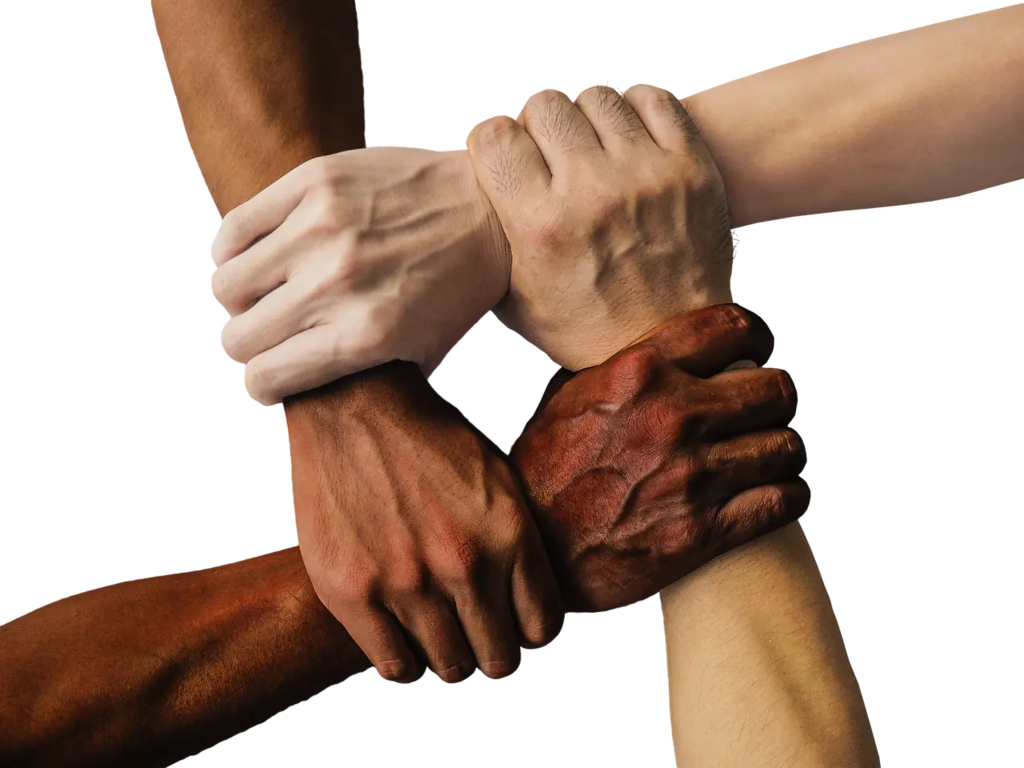
💡 Key Takeaways
- Understand how team dynamics influence collaboration, communication, and goal completion.
- Explain how diversity of backgrounds and perspectives enhances problem-solving and creativity.
- Define inclusion and its importance in ensuring every member can contribute and be respected.
- Identify practical strategies to improve team dynamics, such as clear roles, psychological safety, and leveraging personality and self-discovery.
❓ Frequently Asked Questions
What is team dynamics?
Team dynamics are the patterns of interaction, communication, trust, and conflict resolution that influence how a group collaborates and performs.
How does diversity contribute to team problem‑solving and creativity?
Diverse backgrounds and perspectives broaden ideas, challenge assumptions, and improve problem‑solving and innovation.
What is inclusion, and how is it different from diversity?
Inclusion is the practice of ensuring all members feel valued and able to contribute; diversity is about having varied backgrounds and perspectives.
How can teams improve inclusion?
Foster psychological safety, encourage equal participation, use inclusive decision‑making, and provide ongoing feedback and support.
What are common challenges in diverse teams and how can they be addressed?
Challenges include bias, communication gaps, and cultural differences; address them with clear norms, bias awareness training, facilitation, and structured, equitable participation.