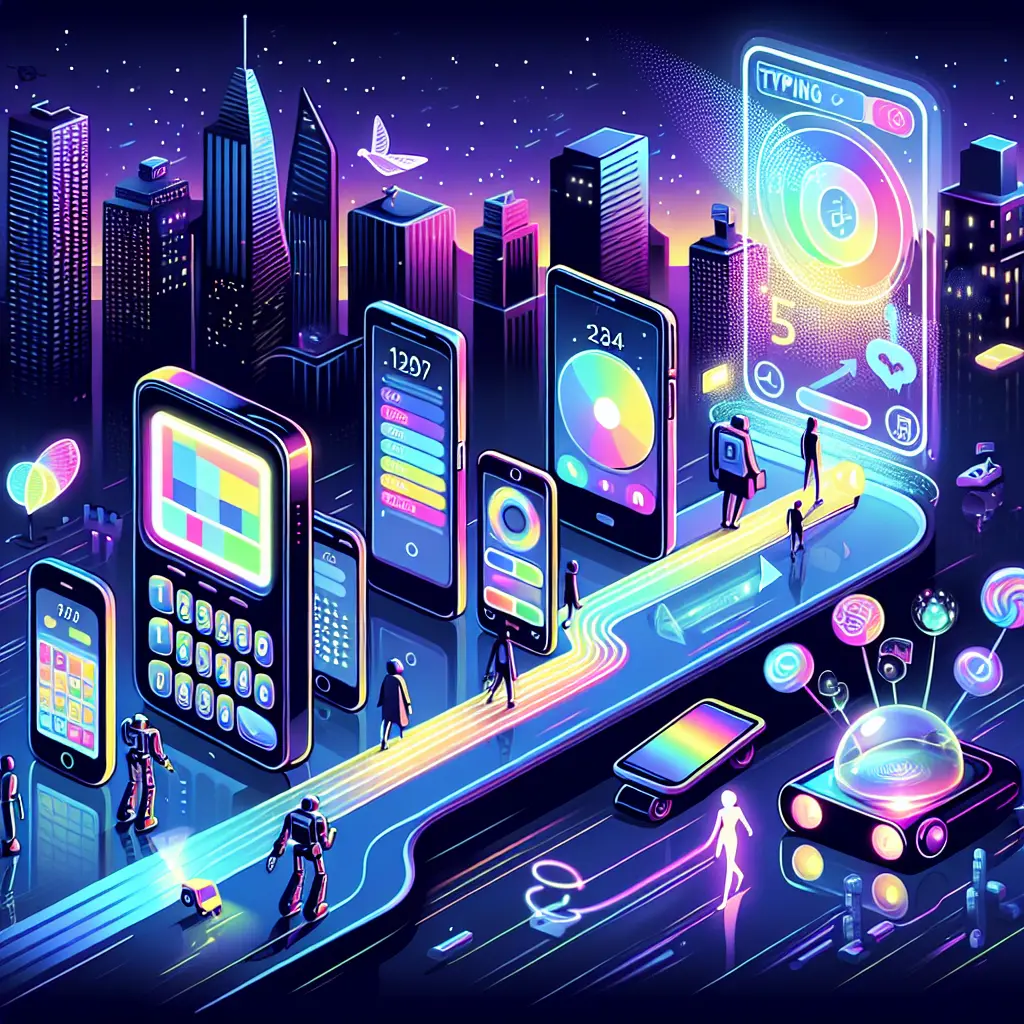
Tech Legacy: From T9 to Predictive Keyboards and UX refers to the evolution of mobile text input, beginning with T9, which enabled faster typing on numeric keypads, to today’s advanced predictive keyboards. Modern keyboards leverage artificial intelligence to anticipate user input, offering suggestions and auto-corrections. This progression has significantly improved user experience (UX), making communication more efficient, intuitive, and accessible across various digital platforms.
Tech Legacy: From T9 to Predictive Keyboards and UX
Tech Legacy: From T9 to Predictive Keyboards and UX refers to the evolution of mobile text input, beginning with T9, which enabled faster typing on numeric keypads, to today’s advanced predictive keyboards. Modern keyboards leverage artificial intelligence to anticipate user input, offering suggestions and auto-corrections. This progression has significantly improved user experience (UX), making communication more efficient, intuitive, and accessible across various digital platforms.
💡 Key Takeaways
- Trace the evolution of mobile text input from T9 to today's AI-powered predictive keyboards and their impact on UX.
- Explain how T9 used numeric keypad presses to predict words and its speed benefits with accuracy limits.
- Describe how modern predictive keyboards leverage AI and context to suggest words and auto-correct.
- Discuss UX implications such as faster typing, improved accuracy, personalization, multilingual support, and privacy considerations.
❓ Frequently Asked Questions
What is T9 and how did it speed up texting on numeric keypads?
T9 (Text on 9 keys) lets you press each key once per letter on a numeric keypad. A predictive dictionary guesses the word from the key sequence, reducing keystrokes compared with multi-tap typing.
What is a predictive keyboard?
A keyboard that suggests words or completes current words as you type, using a built-in dictionary and language model to guess the intended text and reduce taps.
How do modern keyboards use AI?
They apply machine learning to predict likely words, correct mistakes, and adapt to your typing style and language, improving suggestions over time.
What does UX mean in mobile keyboard design?
UX stands for user experience. In keyboards, it covers layout, speed, accuracy, feedback, autocorrect behavior, and how easy and pleasant typing feels.