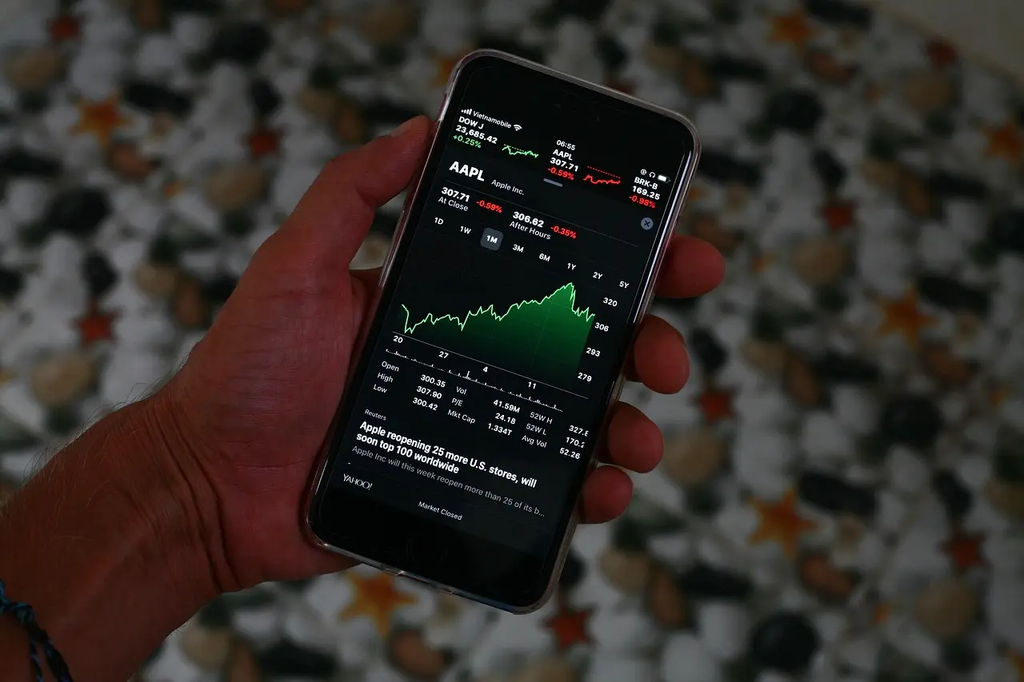
Technical Analysis Basics in US stock markets involves evaluating securities by analyzing statistical trends from trading activity, such as price movement and volume. It uses charts and technical indicators to identify patterns and forecast future price movements. Unlike fundamental analysis, which focuses on a company’s financial health, technical analysis assumes all information is reflected in the stock price. Common tools include moving averages, support and resistance levels, and momentum indicators.
Technical Analysis Basics
Technical Analysis Basics in US stock markets involves evaluating securities by analyzing statistical trends from trading activity, such as price movement and volume. It uses charts and technical indicators to identify patterns and forecast future price movements. Unlike fundamental analysis, which focuses on a company’s financial health, technical analysis assumes all information is reflected in the stock price. Common tools include moving averages, support and resistance levels, and momentum indicators.

💡 Key Takeaways
- Identify basic chart types and timeframes to interpret price movements.
- Recognize support and resistance and how they shape trading decisions.
- Read key indicators (moving averages, RSI, MACD) and what they signal.
- Spot common chart patterns and understand potential price directions.
❓ Frequently Asked Questions
What is technical analysis?
Technical analysis studies price and volume data using charts and indicators to forecast future moves. It relies on patterns and signals rather than company fundamentals.
What are support and resistance?
Support is a price level where falling prices tend to bounce higher; resistance is where rising prices tend to stall and reverse. Breakouts beyond these levels signal potential new moves.
Which indicators are commonly used in technical analysis?
Common tools include moving averages (trend smoothing), RSI (momentum overbought/oversold), and MACD (trend and momentum shifts). They are often used together with price charts.
What is a candlestick chart and what do bullish/bearish candles indicate?
A candlestick shows open, high, low, and close for a period. A bullish candle closes higher than it opens (often green), while a bearish candle closes lower (often red), signaling buying or selling pressure.