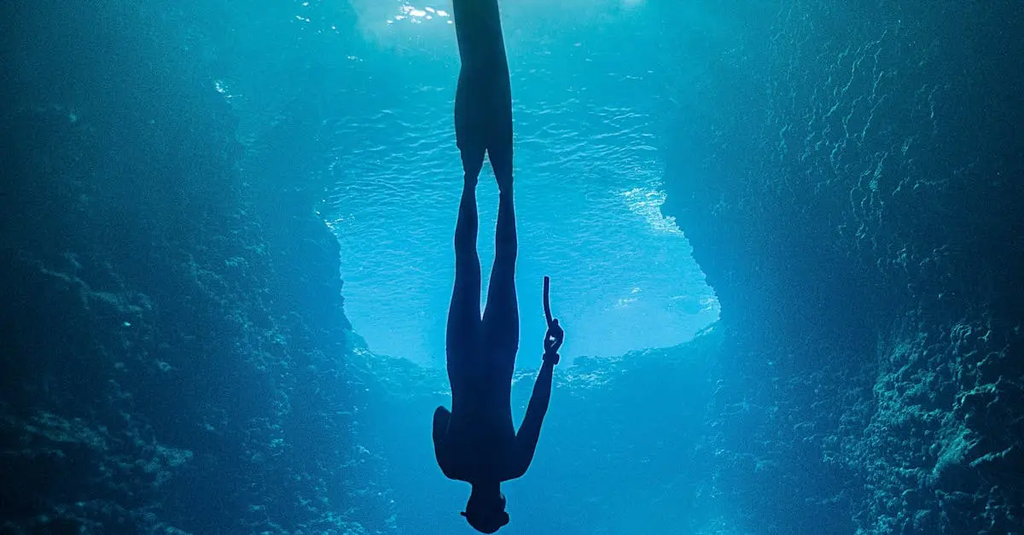
Technical cave diving is an advanced form of scuba diving where divers explore underwater cave systems using specialized equipment and techniques. It involves navigating complex environments with potential hazards such as tight passages, darkness, and limited visibility. Divers must manage gas mixtures, decompression requirements, and use guidelines to prevent getting lost. Technical cave diving requires extensive training, careful planning, and a high level of skill to ensure safety in these challenging and potentially dangerous conditions.
Technical Cave Diving
Technical cave diving is an advanced form of scuba diving where divers explore underwater cave systems using specialized equipment and techniques. It involves navigating complex environments with potential hazards such as tight passages, darkness, and limited visibility. Divers must manage gas mixtures, decompression requirements, and use guidelines to prevent getting lost. Technical cave diving requires extensive training, careful planning, and a high level of skill to ensure safety in these challenging and potentially dangerous conditions.
💡 Key Takeaways
- Understand what makes technical cave diving distinct from standard scuba diving, including the need for specialized training and equipment.
- Identify common cave diving hazards (tight passages, darkness, limited visibility, silt) and how they affect risk and planning.
- Learn the basics of gas management and redundancy to prepare for potential emergencies in a cave environment.
- Describe the typical cave dive planning process, including mapping, line awareness, communications, and contingency planning.
❓ Frequently Asked Questions
What is technical cave diving?
An advanced form of scuba diving that explores underwater caves using specialized equipment and procedures beyond recreational limits.
How does technical cave diving differ from recreational diving?
It involves overhead environments, longer gas planning, multiple gas mixes and redundant systems, and more complex navigation and risk management.
What are common hazards in cave diving?
Silt and darkness, limited visibility, line entanglement or loss, overhead environments, gas supply problems, and equipment failures.
What equipment is typically used in technical cave diving?
Redundant gas supplies (bailout bottles), guideline reels/lines, multiple lights, a helmet, buoyancy system, fins, and a dive computer or gauges.
Why is training important for cave diving?
Cave environments are high risk and overhead; formal training builds skills in planning, gas management, navigation, and emergency response to reduce risk.