In 18th-century Britain, technology diffusion referred to the spread of new inventions and industrial methods across regions and industries. Patents played a crucial role by granting inventors exclusive rights, encouraging innovation and investment. However, patents also created barriers, as inventors could restrict competitors’ access to new technologies. This tension shaped the pace and pattern of industrial development, influencing how quickly and widely technological advances were adopted during the Industrial Revolution.
Technology Diffusion and Patents in 18th‑Century Britain
In 18th-century Britain, technology diffusion referred to the spread of new inventions and industrial methods across regions and industries. Patents played a crucial role by granting inventors exclusive rights, encouraging innovation and investment. However, patents also created barriers, as inventors could restrict competitors’ access to new technologies. This tension shaped the pace and pattern of industrial development, influencing how quickly and widely technological advances were adopted during the Industrial Revolution.
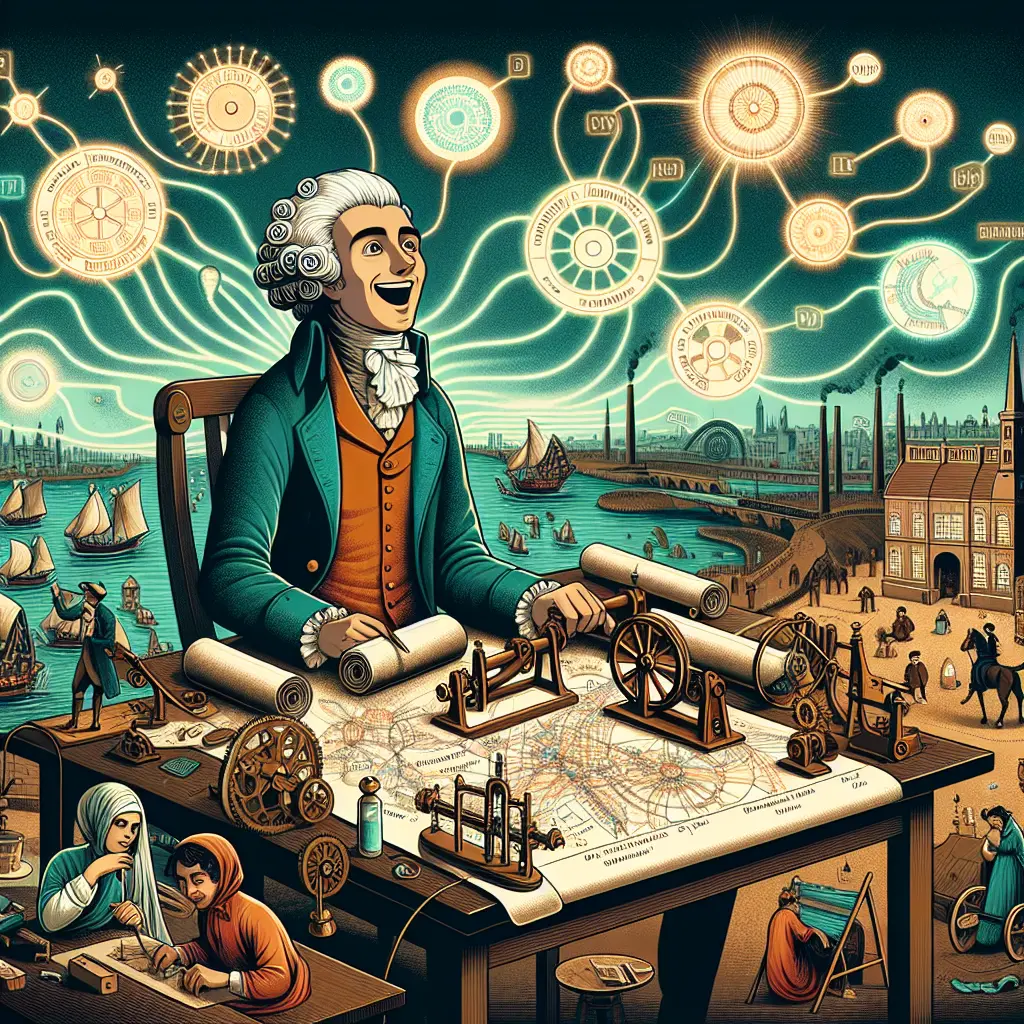
💡 Key Takeaways
- Understand how 18th-century Britain balanced invention, patent protection, and diffusion of technology across industries and regions.
- Learn how patents influenced incentives for inventors (e.g., Watt, Arkwright) and accelerated the spread of machinery in textiles, steam, and mining.
- Explore the networks of merchants, workshops, and patent offices that facilitated knowledge transfer and technology diffusion.
- Assess the economic and social impacts of diffusion and patents, including productivity gains, urbanization, and accessibility challenges for small producers.
❓ Frequently Asked Questions
What is technology diffusion?
The spread of new ideas, tools, and methods from inventors to wider society, across industries and regions, through adoption by workers, firms, and markets.
What was the purpose of patents in 18th-century Britain?
Patents granted inventors exclusive rights to profit from their invention for a limited time, encouraging invention and enabling licensing or controlled use while sharing knowledge with others.
How did technologies diffuse in Britain during this period?
Diffusion occurred via workshops and networks of skilled workers, merchants licensing improvements, demonstrations, pamphlets, and the growing textile industry clusters in regions like the Midlands and the Northwest.
Can you name an example of technology diffusion in 18th-century Britain?
James Watt’s steam engine (improved by Boulton & Watt) spread to cotton mills and other industries, driving increased productivity.
What limits or tensions affected diffusion and patents then?
Patents could create monopolies that restricted follow-on innovation; diffusion depended on capital, skilled labor, infrastructure, and supportive laws and networks.