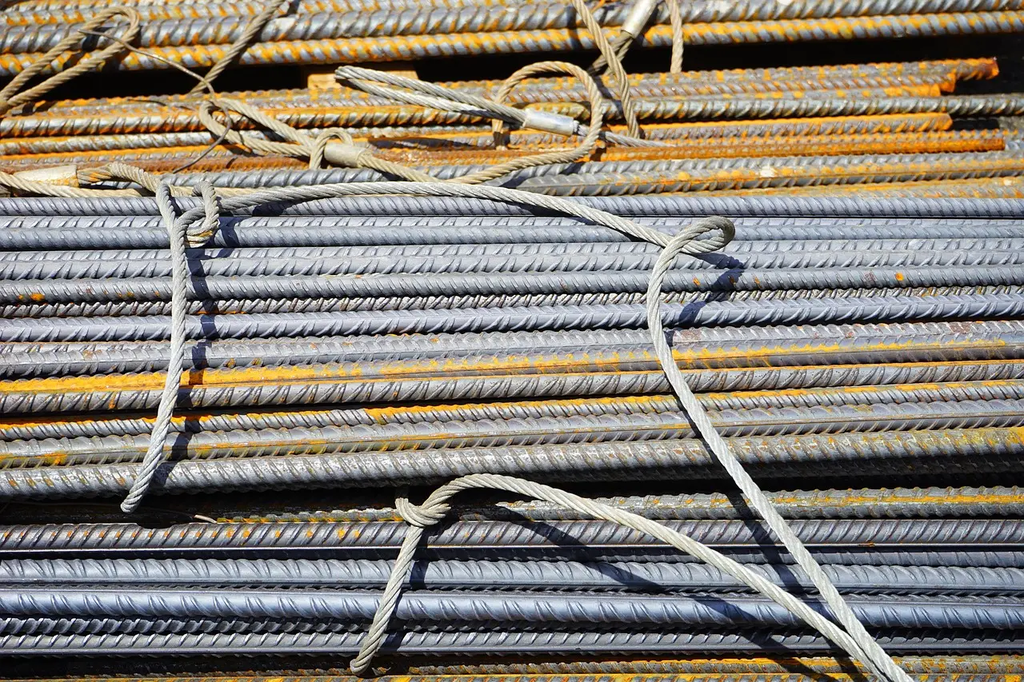
Tensile, compression, and flexural testing methods are mechanical tests used to evaluate material properties. Tensile testing measures a material’s response to being pulled apart, revealing its strength and ductility. Compression testing assesses how materials behave under crushing loads, determining compressive strength and deformation. Flexural testing examines a material’s ability to resist bending forces, providing data on flexural strength and stiffness. These tests help engineers select materials for various structural applications.
Tensile, Compression, and Flexural Testing Methods
Tensile, compression, and flexural testing methods are mechanical tests used to evaluate material properties. Tensile testing measures a material’s response to being pulled apart, revealing its strength and ductility. Compression testing assesses how materials behave under crushing loads, determining compressive strength and deformation. Flexural testing examines a material’s ability to resist bending forces, providing data on flexural strength and stiffness. These tests help engineers select materials for various structural applications.
💡 Key Takeaways
- Distinguish tensile, compression, and flexural tests and what material properties they reveal.
- Identify typical specimen shapes and fixtures used for each test (tensile dog-bone, compression platens, three-point bend).
- Read basic results such as stress-strain curves, modulus, and strength, and note common failure modes.
- Know common testing standards (e.g., ASTM/ISO) and basic safety considerations when performing these tests.
❓ Frequently Asked Questions
What is tensile testing?
A mechanical test where a specimen is pulled along its axis until failure to determine properties such as yield strength, ultimate tensile strength, elongation, and Young's modulus.
What is compression testing?
A test in which a specimen is loaded in compression along its axis to measure compressive strength, stiffness (modulus), and behavior under buckling or crushing.
What is flexural testing?
A bending test (usually three-point or four-point) used to determine flexural strength, flexural modulus, and stiffness of a material or composite.
What is the difference between yield strength and ultimate tensile strength?
Yield strength is the stress at which a material begins to permanently deform; ultimate tensile strength is the maximum stress the material can sustain before necking and fracture.
What specimen shapes are typically used for these tests?
Tensile tests use dog-bone specimens, compression tests use cylindrical or prismatic samples, and flexural tests use rectangular bars or beams.