Terraforming debates revolve around the ethical, scientific, and practical considerations of altering other planets or celestial bodies to make them habitable for human life. These discussions explore the feasibility of transforming environments like Mars, the potential ecological impacts, moral responsibilities toward existing extraterrestrial ecosystems, and the technological challenges involved. Proponents highlight the potential for expanding humanity’s reach, while critics question the risks, costs, and possible unintended consequences of such planetary engineering.
Terraforming Debates
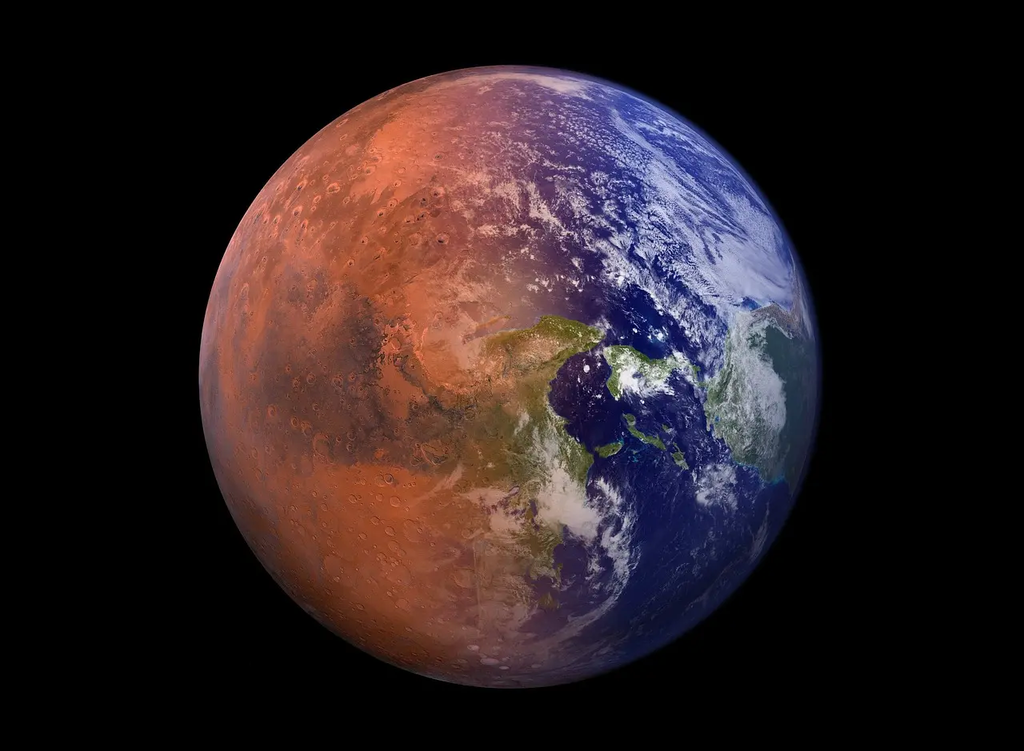
Terraforming debates revolve around the ethical, scientific, and practical considerations of altering other planets or celestial bodies to make them habitable for human life. These discussions explore the feasibility of transforming environments like Mars, the potential ecological impacts, moral responsibilities toward existing extraterrestrial ecosystems, and the technological challenges involved. Proponents highlight the potential for expanding humanity’s reach, while critics question the risks, costs, and possible unintended consequences of such planetary engineering.
💡 Key Takeaways
- Understand the core ethical questions of terraforming, including planetary protection and the morality of altering another world.
- Recognize the main scientific and engineering hurdles to making Mars habitable—atmosphere, temperature, radiation, and water resources.
- Evaluate the ecological risks and potential impacts of terraforming on existing ecosystems and planetary environments.
- Consider the practical trade-offs, timelines, costs, and governance challenges involved in pursuing terraforming initiatives.
❓ Frequently Asked Questions
What is terraforming?
Terraforming is the hypothetical process of deliberately altering a planet's environment (atmosphere, temperature, hydrology) to make it more Earth-like and potentially habitable for humans.
Why is Mars a common focus for terraforming debates?
Mars is the closest rocky planet with resources and a day length similar to Earth. It has evidence of water and potential for human habitability, but lacks a thick atmosphere and magnetic field, making terraforming extremely challenging.
What are the main scientific and engineering challenges of terraforming Mars?
Creating and retaining a breathable atmosphere, warming the planet, sustaining liquid water, protecting against radiation without a magnetic field, dealing with soil toxins, and the enormous energy and timescale requirements.
What ethical and governance issues arise in terraforming debates?
Ethical concerns include planetary protection (avoiding harm to possible native life), fairness in who benefits, resource allocation, and governance over a transformed ecosystem and future inhabitants.
Is terraforming feasible with current or near-future tech?
Most experts consider terraforming infeasible on human timescales; it would require breakthroughs, enormous energy, and centuries or millennia, with significant uncertainties. Some speculative concepts exist, but practical implementation is not near-term.