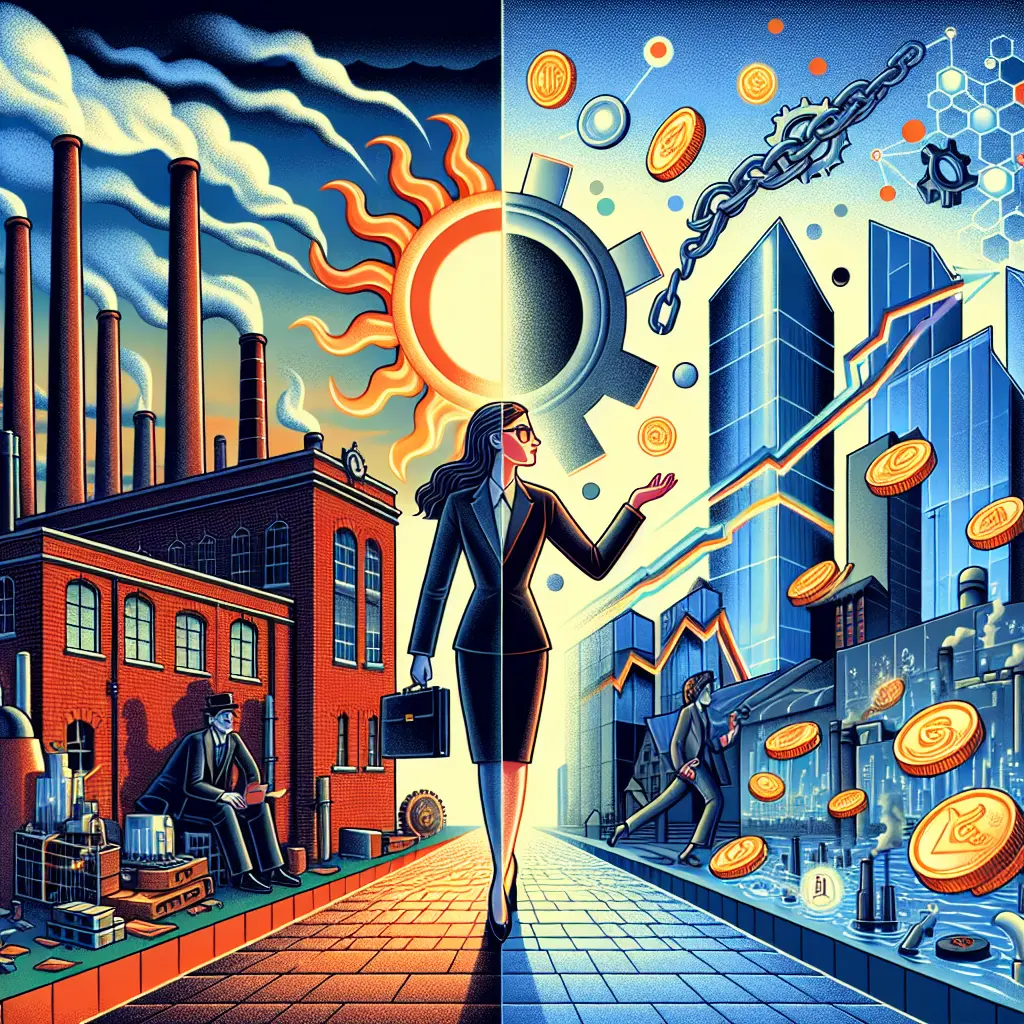
Thatcherism refers to the political and economic policies championed by British Prime Minister Margaret Thatcher from 1979 to 1990. It emphasized free-market principles, privatization of state industries, deregulation, reduced power of trade unions, and individual responsibility. Its legacy includes a transformed UK economy, a shift in political consensus toward market-oriented policies, and ongoing debates about social inequality and the role of government in public services and welfare.
Thatcherism and its legacy
Thatcherism refers to the political and economic policies championed by British Prime Minister Margaret Thatcher from 1979 to 1990. It emphasized free-market principles, privatization of state industries, deregulation, reduced power of trade unions, and individual responsibility. Its legacy includes a transformed UK economy, a shift in political consensus toward market-oriented policies, and ongoing debates about social inequality and the role of government in public services and welfare.
💡 Key Takeaways
- Understand the core principles of Thatcherism: free-market economics, privatization, deregulation, and individual responsibility.
- Identify major privatizations and deregulation measures that transformed state-owned industries.
- Explain how Thatcherism reduced trade union power and reshaped industrial relations.
- Assess Thatcherism's long-term legacy on the UK economy, public services, welfare, and Conservative political ideology.
❓ Frequently Asked Questions
What is Thatcherism?
A set of policies championed by Prime Minister Margaret Thatcher (1979–1990) that favored free markets, privatization of state industries, deregulation, reduced power for trade unions, and personal responsibility.
What were the main policies associated with Thatcherism?
Privatization of state-owned industries, deregulation of markets and financial services, a monetarist approach to controlling inflation, reducing the power of trade unions, and encouraging individual entrepreneurship and self-reliance.
How did Thatcherism change privatization and deregulation in the UK?
State-owned companies were sold to private owners to foster competition and efficiency, while government rules on business and finance were loosened to encourage market activity.
What was Thatcherism's impact on trade unions?
Power of trade unions was curtailed through legislation and policy, reducing their ability to influence industry decisions and strikes.
What is the legacy of Thatcherism in UK politics and society?
A long-term shift toward market-oriented policies, greater private ownership, and a changed relationship between the state and the economy, with ongoing debates about inequality and the balance between efficiency and social protection.