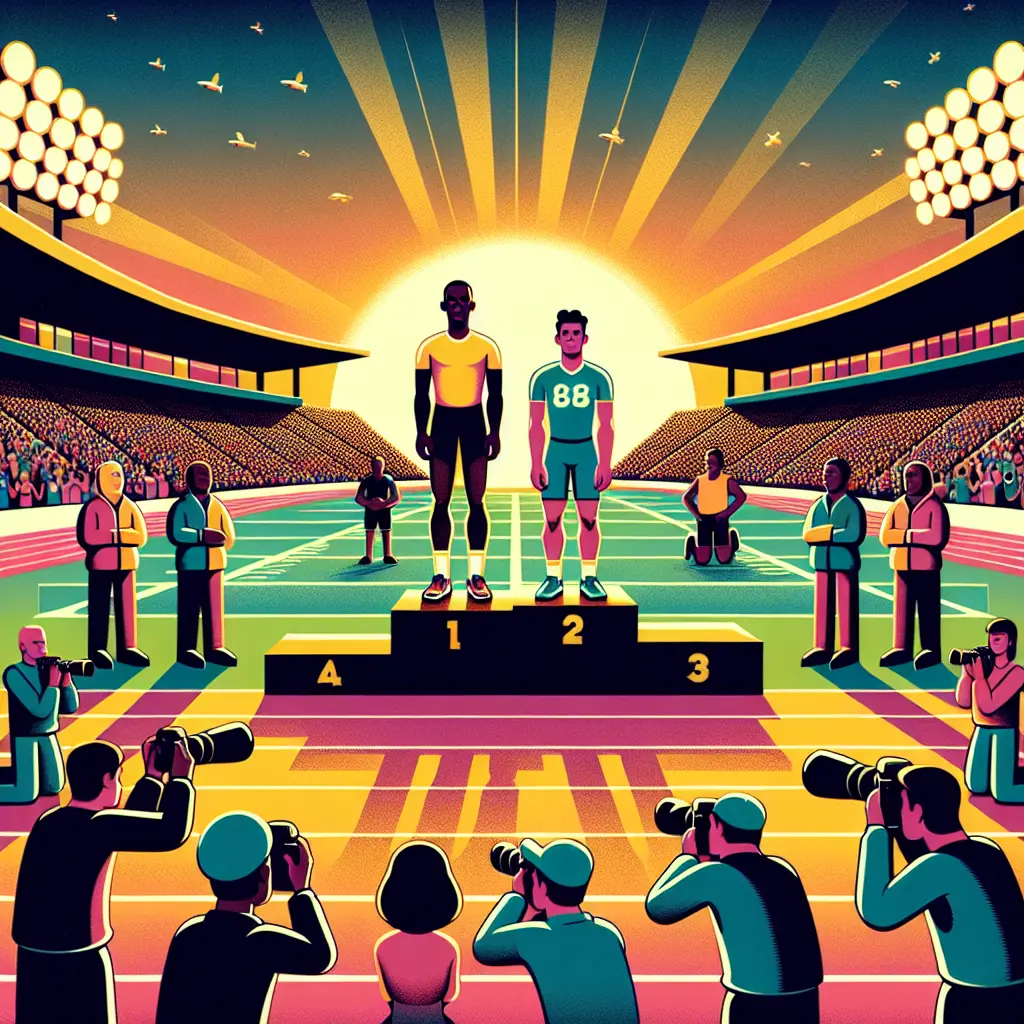
The aftermath of the 1968 Olympic Black Power salute saw athletes Tommie Smith and John Carlos face immediate backlash for their protest against racial injustice. Both were expelled from the Olympic Village, received death threats, and struggled to find employment. The gesture sparked global debate on civil rights, highlighting racial tensions in the United States and inspiring future activism. Over time, their courageous stance became a symbol of resistance and social justice.
The 1968 Olympic Black Power salute aftermath
The aftermath of the 1968 Olympic Black Power salute saw athletes Tommie Smith and John Carlos face immediate backlash for their protest against racial injustice. Both were expelled from the Olympic Village, received death threats, and struggled to find employment. The gesture sparked global debate on civil rights, highlighting racial tensions in the United States and inspiring future activism. Over time, their courageous stance became a symbol of resistance and social justice.
💡 Key Takeaways
- Understand the context and significance of the 1968 Olympic Black Power salute by Tommie Smith and John Carlos.
- Identify the immediate consequences for the athletes—expulsion from the Olympic Village, threats, and employment challenges.
- Analyze the global reaction and debates about race, protest, and sportsmanship sparked by the gesture.
- Evaluate the event’s lasting impact on athlete activism and the relationship between sports and civil rights.
❓ Frequently Asked Questions
What happened during the 1968 Olympic Black Power salute?
During the medal ceremony, Tommie Smith and John Carlos raised gloved fists in protest against racial injustice as the U.S. national anthem played, signaling Black Power.
Who were Tommie Smith and John Carlos, and what did they do?
They were American track athletes who won medals at the Mexico City Games and used a symbolic on-podium gesture to protest racial inequality.
What immediate consequences did they face after the protest?
They were expelled from the Olympic Village, faced death threats, and struggled to find employment; the gesture sparked global debate.
What impact did the incident have on discussions about race and sports?
It highlighted racial injustice on a global stage and sparked ongoing debates about protest and political expression in sports, influencing later athlete activism.