The 1988 Yellowstone Fires were a series of massive wildfires that burned nearly 800,000 acres in Yellowstone National Park, capturing national attention and sparking debate over fire management. The scale and intensity of the fires led to significant shifts in wildland policy, moving away from total fire suppression toward recognizing fire's ecological role and implementing more adaptive, science-based approaches to wildfire management in national parks and forests.
The 1988 Yellowstone Fires and Wildland Policy Shifts
The 1988 Yellowstone Fires were a series of massive wildfires that burned nearly 800,000 acres in Yellowstone National Park, capturing national attention and sparking debate over fire management. The scale and intensity of the fires led to significant shifts in wildland policy, moving away from total fire suppression toward recognizing fire's ecological role and implementing more adaptive, science-based approaches to wildfire management in national parks and forests.
💡 Key Takeaways
- Explain the scale of the 1988 Yellowstone Fires (nearly 800,000 acres) and the weather conditions that drove their spread.
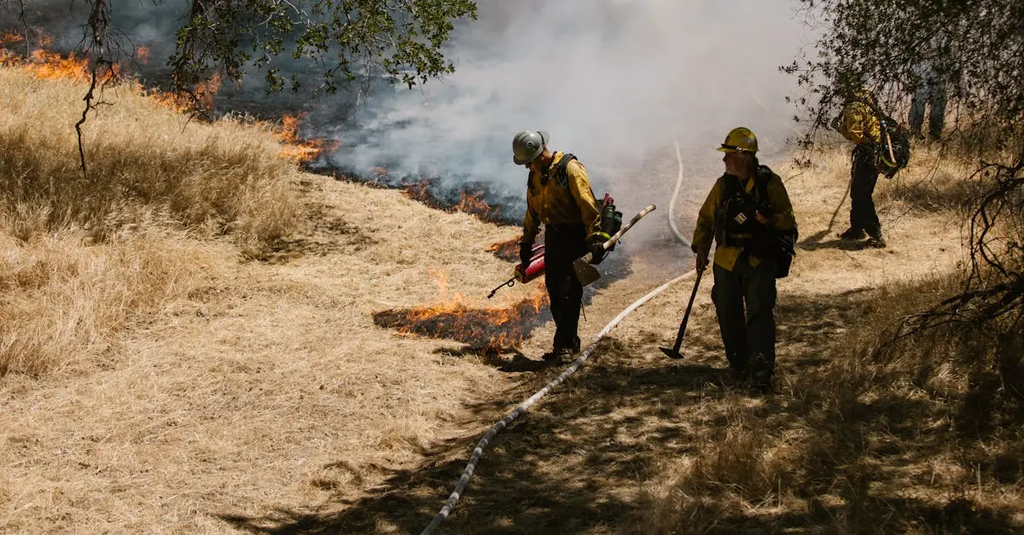
- Describe how the fires influenced a shift from aggressive wildfire suppression to recognizing fire as a natural ecological process.
- Identify post-1988 policy shifts, including more prescribed burns, fuel treatments, and improved interagency management practices.
- Discuss the ecological legacies and lessons learned (regeneration, soil impacts, wildlife considerations) that shaped future wildland management.
❓ Frequently Asked Questions
What happened during the 1988 Yellowstone Fires?
A series of large wildfires burned across Yellowstone National Park and surrounding forests in 1988, driven by drought and strong winds. The fires burned nearly 800,000 acres, led to park closures and evacuations, and drew national attention to how wildland fires are managed.
Why did the fires lead to shifts in wildland fire policy?
The scale and intensity highlighted the limits of total suppression and sparked debate about fire's ecological role. This contributed to a shift toward adaptive, risk-based management that balances safety with allowing natural fire processes under controlled conditions.
What management changes followed the Yellowstone fires?
Policies became more coordinated across agencies, with improved preparedness and a greater emphasis on ecological considerations and prescribed fire, rather than attempting to extinguish every fire immediately.
How did public understanding of fire change after 1988?
The event reinforced the view that fire is a natural part of many ecosystems and that fire management must balance protecting people and resources with maintaining ecological health and resilience.