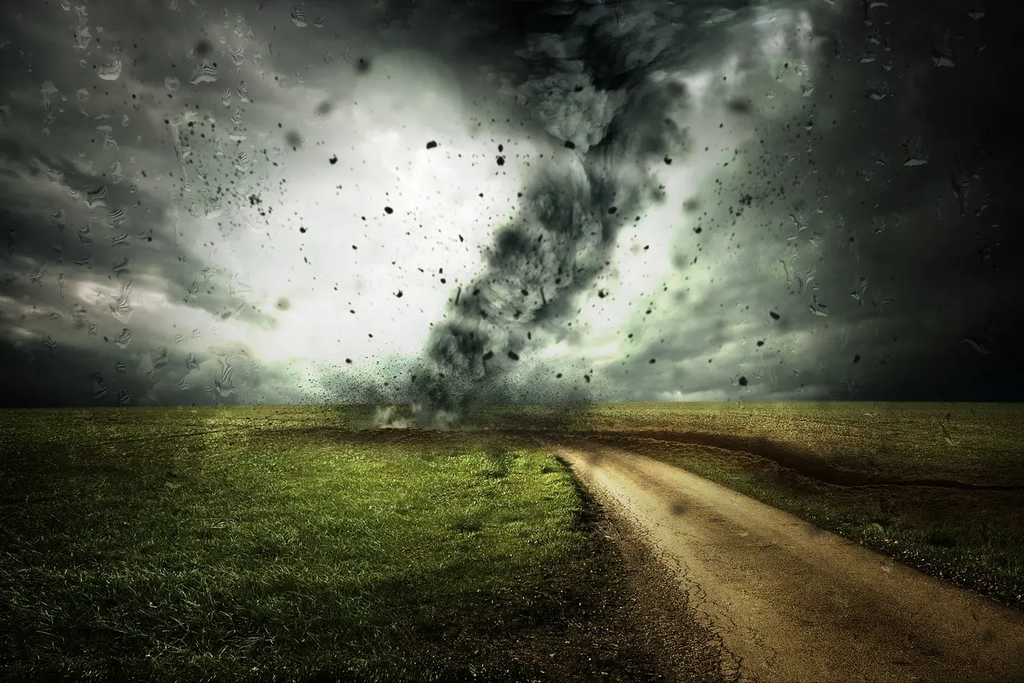
The 2011 Joplin Tornado was a devastating EF5 tornado that struck Joplin, Missouri, causing widespread destruction, including severe damage to the local hospital. The disaster tested the hospital’s preparedness, highlighting the importance of emergency planning, rapid response, and resource coordination. Lessons learned from this event led to improvements in disaster protocols, communication systems, and infrastructure resilience, ensuring healthcare facilities are better equipped to handle future emergencies and protect patient and staff safety.
The 2011 Joplin Tornado and Hospital Preparedness
The 2011 Joplin Tornado was a devastating EF5 tornado that struck Joplin, Missouri, causing widespread destruction, including severe damage to the local hospital. The disaster tested the hospital’s preparedness, highlighting the importance of emergency planning, rapid response, and resource coordination. Lessons learned from this event led to improvements in disaster protocols, communication systems, and infrastructure resilience, ensuring healthcare facilities are better equipped to handle future emergencies and protect patient and staff safety.
💡 Key Takeaways
- Understand how a severe tornado can disrupt hospital operations and patient care during mass casualty events.
- Learn the essential elements of hospital emergency preparedness, including incident command, communications, evacuation/sheltering, and staff roles.
- Recognize the critical need for rapid resource coordination (beds, staffing, generators, fuel, blood products) during disaster response.
- Appreciate continuity of operations planning to maintain essential services and safe patient care in the aftermath of a severe storm.
❓ Frequently Asked Questions
What does EF5 mean in tornado classification?
The Enhanced Fujita scale rates tornadoes by estimated wind speeds and damage. EF5 indicates winds around 200 mph or higher and causes devastating, near-total destruction.
What happened during the 2011 Joplin Tornado and how did it affect the hospital?
On May 22, 2011, a violent EF5 tornado hit Joplin, Missouri, causing catastrophic damage. Mercy Hospital suffered severe damage, challenging care for the injured and requiring rapid evacuation and emergency coordination.
Why is hospital emergency preparedness essential in tornado disasters?
Preparedness helps ensure continuity of care, protects patients and staff, enables rapid triage and evacuation, and reduces chaos when a disaster strikes.
What are key elements of effective hospital preparedness and rapid response?
An up-to-date Emergency Operations Plan (EOP), clear incident command, surge capacity planning, backup power and water, reliable communications, strong supply/resource coordination, staff training, and mutual aid agreements.