The phrase "The Alamo: Myth, Memory, and Preservation Debates" refers to the complex legacy of the Alamo, a historic site in Texas. It highlights how the Alamo has become a symbol shaped by myth and collective memory, often romanticized in popular culture. Additionally, it points to ongoing debates over how the site should be preserved, interpreted, and presented to the public, reflecting differing perspectives on history and cultural identity.
The Alamo: Myth, Memory, and Preservation Debates
The phrase "The Alamo: Myth, Memory, and Preservation Debates" refers to the complex legacy of the Alamo, a historic site in Texas. It highlights how the Alamo has become a symbol shaped by myth and collective memory, often romanticized in popular culture. Additionally, it points to ongoing debates over how the site should be preserved, interpreted, and presented to the public, reflecting differing perspectives on history and cultural identity.
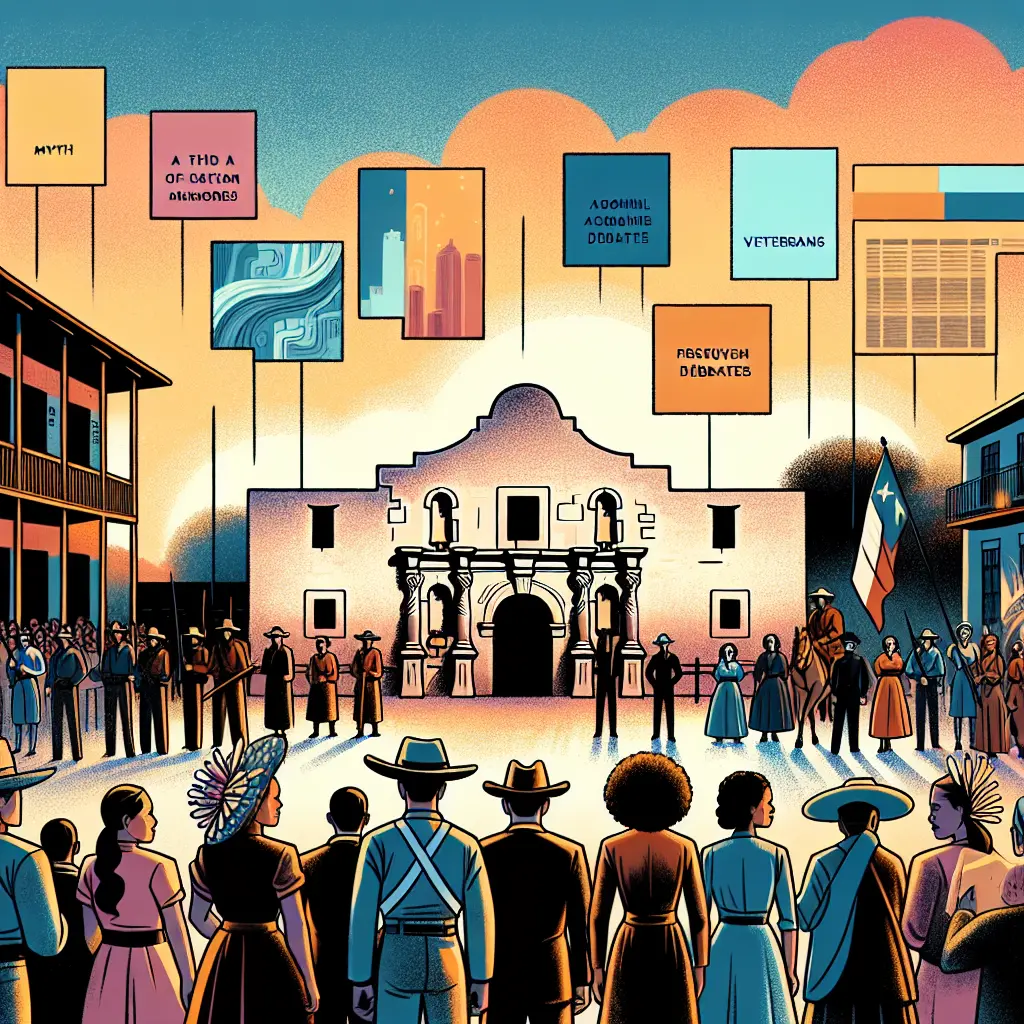
💡 Key Takeaways
- Understand how myth and popular culture shape the Alamo's historical narrative.
- Compare collective memory with historical records to identify divergences and biases.
- Explore ongoing preservation debates, including commemoration practices, site management, and inclusive storytelling.
- Assess the impact of iconic status on tourism, education, and interpretation of Texas and American history.
❓ Frequently Asked Questions
What is the Alamo and where is it located?
The Alamo is the Mission San Antonio de Valero in San Antonio, Texas. It is best known for the 1836 siege during the Texas Revolution and is now part of the San Antonio Missions National Historical Park.
What does myth vs memory mean in the Alamo context?
Myths are simplified or romanticized stories; memory is how people remember and interpret events today. The Alamo’s story has been shaped by popular culture and diverse communities, leading to contested interpretations.
What are the main debates in preserving the Alamo today?
Debates include preserving original structures vs. adding modern facilities, who should lead interpretation and funding, how to present multiple historical viewpoints, and balancing tourism with respectful commemoration.
How has popular culture influenced the Alamo's image?
Films, books, and songs have popularized a heroic narrative that can overlook other perspectives; understanding the full history requires considering diverse sources and viewpoints.