The battery is a groundbreaking invention that revolutionized how energy is stored and used. It converts chemical energy into electrical energy, powering countless devices from flashlights to smartphones. Its invention enabled portable electronics, making life more convenient and efficient. Over time, battery technology has evolved, leading to rechargeable and longer-lasting forms, playing a crucial role in modern technology, transportation, and renewable energy integration, and shaping the way we live and interact with the world.
The Battery
The battery is a groundbreaking invention that revolutionized how energy is stored and used. It converts chemical energy into electrical energy, powering countless devices from flashlights to smartphones. Its invention enabled portable electronics, making life more convenient and efficient. Over time, battery technology has evolved, leading to rechargeable and longer-lasting forms, playing a crucial role in modern technology, transportation, and renewable energy integration, and shaping the way we live and interact with the world.
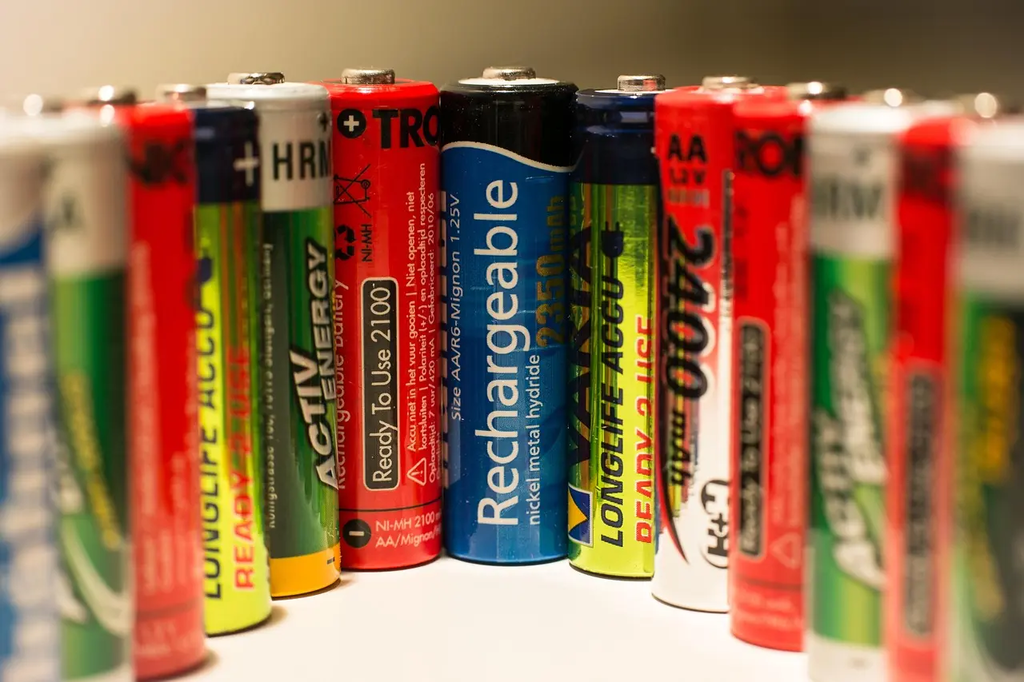
💡 Key Takeaways
- Understand the basic parts of a battery (anode, cathode, electrolyte) and how they store energy.
- Distinguish between common battery types (alkaline, Li-ion, NiMH) and typical use cases.
- Learn how charging, discharging, temperature, and aging affect performance and lifespan.
- Know safe handling, charging best practices, and how to recycle or dispose of batteries responsibly.
❓ Frequently Asked Questions
What is a battery?
A device that stores chemical energy and converts it into electrical energy through electrochemical reactions, typically consisting of electrodes and an electrolyte.
What is the difference between primary and rechargeable batteries?
Primary batteries are single-use and cannot be recharged, while rechargeable (secondary) batteries can be restored to full capacity by applying electrical current.
What are common battery chemistries and where are they used?
Alkaline: common in household disposables; Lithium-ion: smartphones and laptops; Lead-acid: cars and backup power; Nickel-metal hydride: some hybrid vehicles and electronics.
What factors influence a battery's capacity and lifespan?
Chemistry, operating temperature, depth of discharge, charging rate, cycle count, age, and storage conditions.