The Battle of Britain was a significant World War II conflict fought between the British Royal Air Force (RAF) and Germany's Luftwaffe in 1940. It marked the first major military campaign fought entirely by air forces. The RAF's successful defense prevented a German invasion of Britain and became a turning point in the war. The battle showcased the importance of air superiority and is remembered for the bravery and resilience of British pilots, known as "The Few."
The Battle of Britain
The Battle of Britain was a significant World War II conflict fought between the British Royal Air Force (RAF) and Germany's Luftwaffe in 1940. It marked the first major military campaign fought entirely by air forces. The RAF's successful defense prevented a German invasion of Britain and became a turning point in the war. The battle showcased the importance of air superiority and is remembered for the bravery and resilience of British pilots, known as "The Few."
💡 Key Takeaways
- Understand why the Battle of Britain was the first major air-only campaign and how it stopped a German invasion in 1940.
- Learn how radar, ground control, and RAF fighter commands enabled effective air defense.
- Identify the main aircraft and tactics used by the RAF and Luftwaffe during the battle.
- Appreciate how the battle boosted morale and shaped WWII strategy around air power and invasion plans.
❓ Frequently Asked Questions
What was the Battle of Britain?
A 1940 aerial campaign in which the British Royal Air Force defended the United Kingdom against the German Luftwaffe, the first major war fought entirely by air forces.
When did it take place and who fought?
It occurred in 1940 and pitted the Royal Air Force (RAF) of Britain against Germany's Luftwaffe.
Why was it important?
The RAF's defense prevented a German invasion and is commonly seen as a turning point in World War II, showing that Britain could resist invasion.
What contributed to the RAF’s defense success?
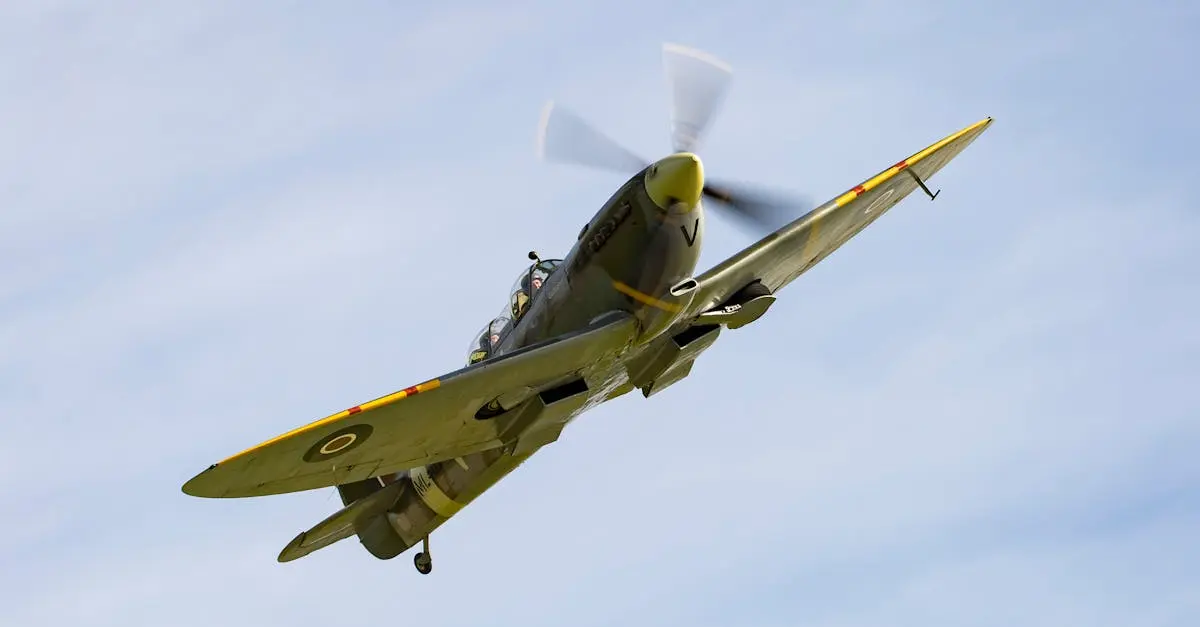
Factors included effective air defense, fighter aircraft like Spitfires and Hurricanes, and German strategic choices that limited aerial superiority.