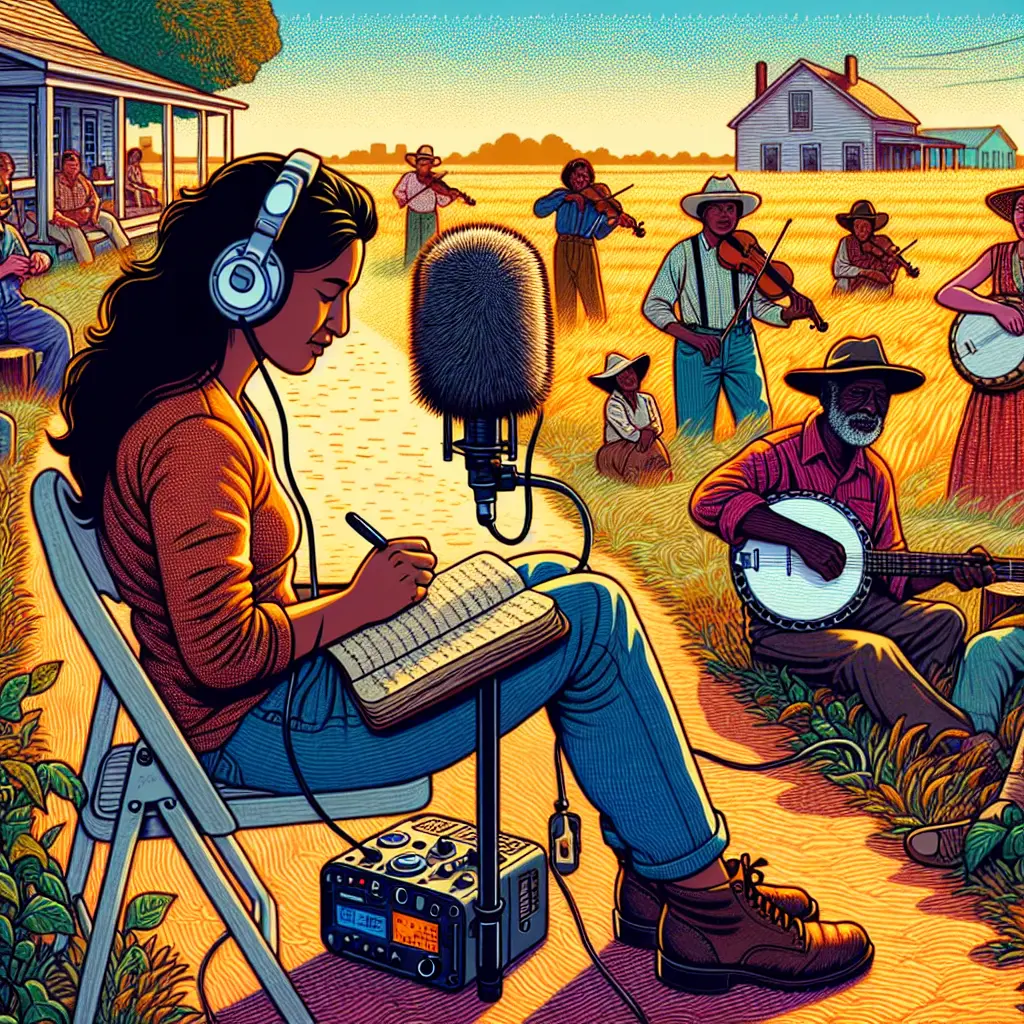
The birth of music journalism and rock criticism emerged in the 1960s as popular music, especially rock and roll, gained cultural significance. Writers and critics began analyzing albums, concerts, and artists, shaping public opinion and influencing trends. Magazines like Rolling Stone provided a platform for in-depth reviews, interviews, and commentary. This era marked the transition of music writing from simple reporting to a respected field that explored the artistic and social impact of music.
The Birth of Music Journalism and Rock Criticism
The birth of music journalism and rock criticism emerged in the 1960s as popular music, especially rock and roll, gained cultural significance. Writers and critics began analyzing albums, concerts, and artists, shaping public opinion and influencing trends. Magazines like Rolling Stone provided a platform for in-depth reviews, interviews, and commentary. This era marked the transition of music writing from simple reporting to a respected field that explored the artistic and social impact of music.

💡 Key Takeaways
- Understand how the 1960s cultural shifts elevated music journalism and rock criticism.
- Learn how critics analyzed albums, concerts, and artists to interpret music.
- See how rock criticism shaped public opinion and influenced music trends.
- Recognize the role of magazines like Rolling Stone in legitimizing rock as culture.
❓ Frequently Asked Questions
What is music journalism and rock criticism?
Music journalism covers reporting on music events, trends, and industry news, while rock criticism analyzes albums and performances to interpret their meaning and impact.
When did the birth of music journalism and rock criticism occur?
They emerged in the 1960s as rock and roll gained cultural prominence, with writers documenting artists, albums, and live scenes.
How did magazines like Rolling Stone influence the music world?
They provided reviews, feature stories, and interviews that helped shape public taste, elevate artists, and legitimize rock as art.
What impact did early critics have on artists and audiences?
Critics could boost or hinder an artist’s reception, influence trends, and guide listeners toward new sounds and movements.