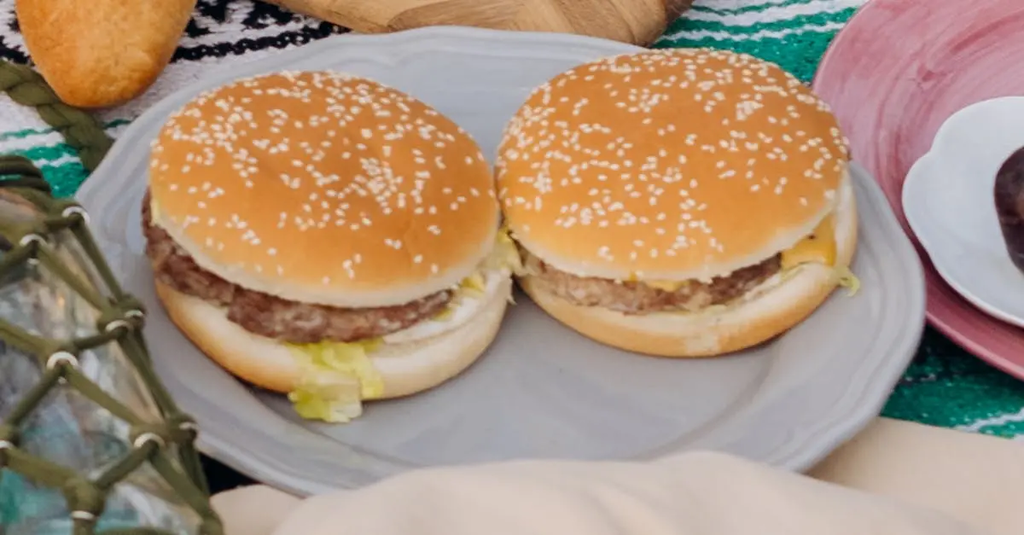
The birth of the cocktail and early saloon fare refers to the emergence of mixed alcoholic drinks and simple bar foods in 19th-century America. During this period, bartenders began experimenting with spirits, bitters, and sweeteners, creating the first classic cocktails. Saloons, popular gathering spots, served these drinks alongside hearty, uncomplicated fare such as oysters, pickled eggs, and sandwiches, catering to a diverse clientele seeking refreshment and social interaction.
The birth of the cocktail and early saloon fare
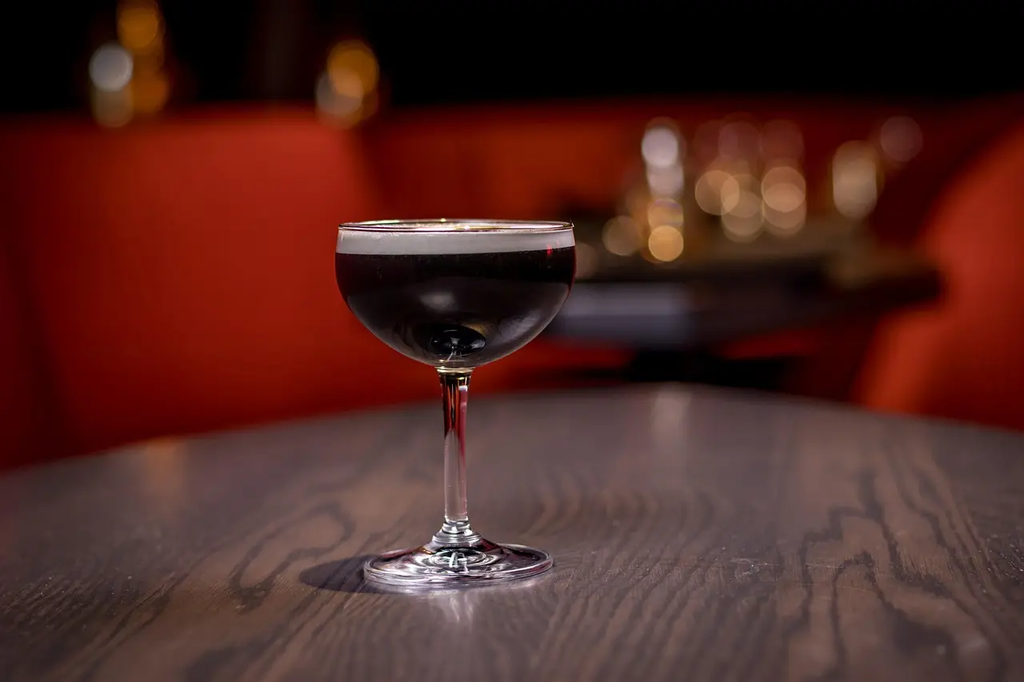
The birth of the cocktail and early saloon fare refers to the emergence of mixed alcoholic drinks and simple bar foods in 19th-century America. During this period, bartenders began experimenting with spirits, bitters, and sweeteners, creating the first classic cocktails. Saloons, popular gathering spots, served these drinks alongside hearty, uncomplicated fare such as oysters, pickled eggs, and sandwiches, catering to a diverse clientele seeking refreshment and social interaction.
💡 Key Takeaways
- Understand how the emergence of mixed drinks shaped American cocktail culture in the 19th century.
- Learn how bartenders experimented with spirits, bitters, and sweeteners to create early cocktails.
- Recognize the role of saloons as social hubs and gathering places in 19th-century America.
- Identify how simple bar fare complemented drinks and contributed to early American culinary history.
❓ Frequently Asked Questions
What is meant by the birth of the cocktail in this context?
It refers to the rise of mixed drinks in 19th‑century America, where bartenders blended spirits with bitters and sweeteners to create early classic cocktails.
What ingredients were common in early cocktails?
Base spirits, bitters, and a sweetener (like sugar) were standard, often balanced with water, soda, or citrus.
What kinds of foods were served as early saloon fare?
Simple, affordable bar snacks such as nuts, crackers, dried fruits, pickled items, and small fried dishes.
What role did bartenders and saloons play in this era?
Saloons were social hubs where bartenders experimented with flavors and techniques, helping to craft the first classic cocktails and shape American drinking culture.