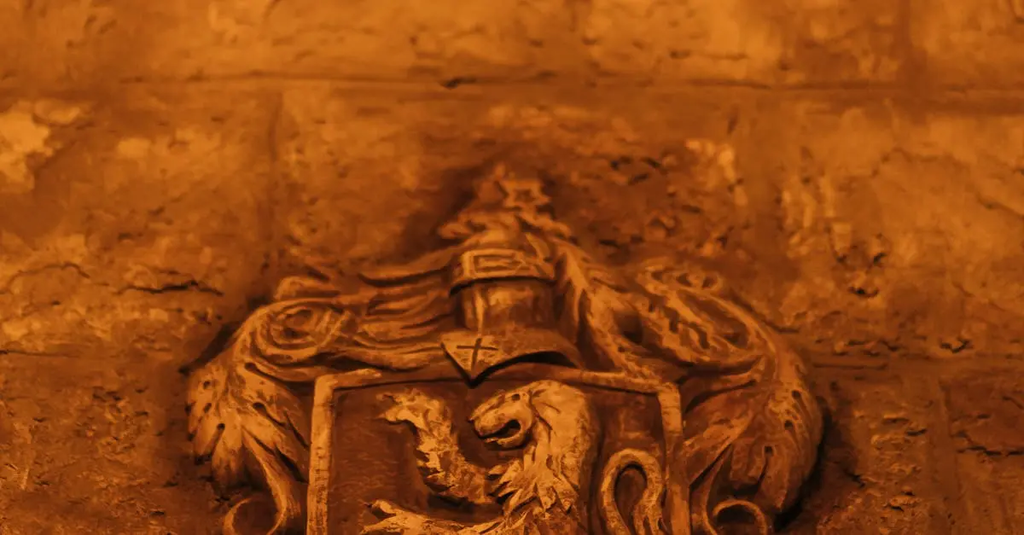
The Black Family Tree is a genealogical chart depicting the lineage and connections of the pure-blood Black family in the Harry Potter series. It traces the ancestry, marriages, and descendants of the family, highlighting their pure-blood status and connections to other notable wizarding families. The tapestry reveals disowned members, family traditions, and the Black family’s pride in their heritage, serving as an important symbol of blood purity and legacy within the wizarding world.
The Black Family Tree
The Black Family Tree is a genealogical chart depicting the lineage and connections of the pure-blood Black family in the Harry Potter series. It traces the ancestry, marriages, and descendants of the family, highlighting their pure-blood status and connections to other notable wizarding families. The tapestry reveals disowned members, family traditions, and the Black family’s pride in their heritage, serving as an important symbol of blood purity and legacy within the wizarding world.

💡 Key Takeaways
- Build a plan to trace a Black family tree from start to finish.
- Identify essential records for Black genealogy (census, slave schedules, wills, church records, Freedmen's Bureau, newspapers).
- Learn strategies to overcome gaps in enslaved ancestry (enslaver records, plantation ledgers, emancipation papers, oral histories).
- Use DNA testing responsibly to supplement traditional records.
❓ Frequently Asked Questions
What is a family tree?
A family tree is a diagram that shows how you are related to relatives across generations, mapping parents, grandparents, and beyond. It helps visualize ancestry and descent.
How can I begin building a Black family tree?
Start with what you know (your generation and parents), then collect vital records and interview relatives. Organize sources and gradually add generations, noting places, dates, and names.
What common sources are useful for Black genealogy?
Vital records (birth/death certificates), census records, church and cemetery records, enslaved ancestor records, emancipation or Freedmen’s Bureau records, land deeds, newspapers, and oral histories.
What challenges might I face tracing Black ancestors, and how can I overcome them?
Gaps in records from slavery and displacement, name changes, and limited digitization. Use alternative records, family interviews, locality histories, and DNA alongside traditional sources.
How can DNA testing help in a Black family tree?
DNA can connect you to genetic relatives and confirm relationships, but use it as a supplementary tool with traditional records, and be mindful of privacy and interpretation limitations.