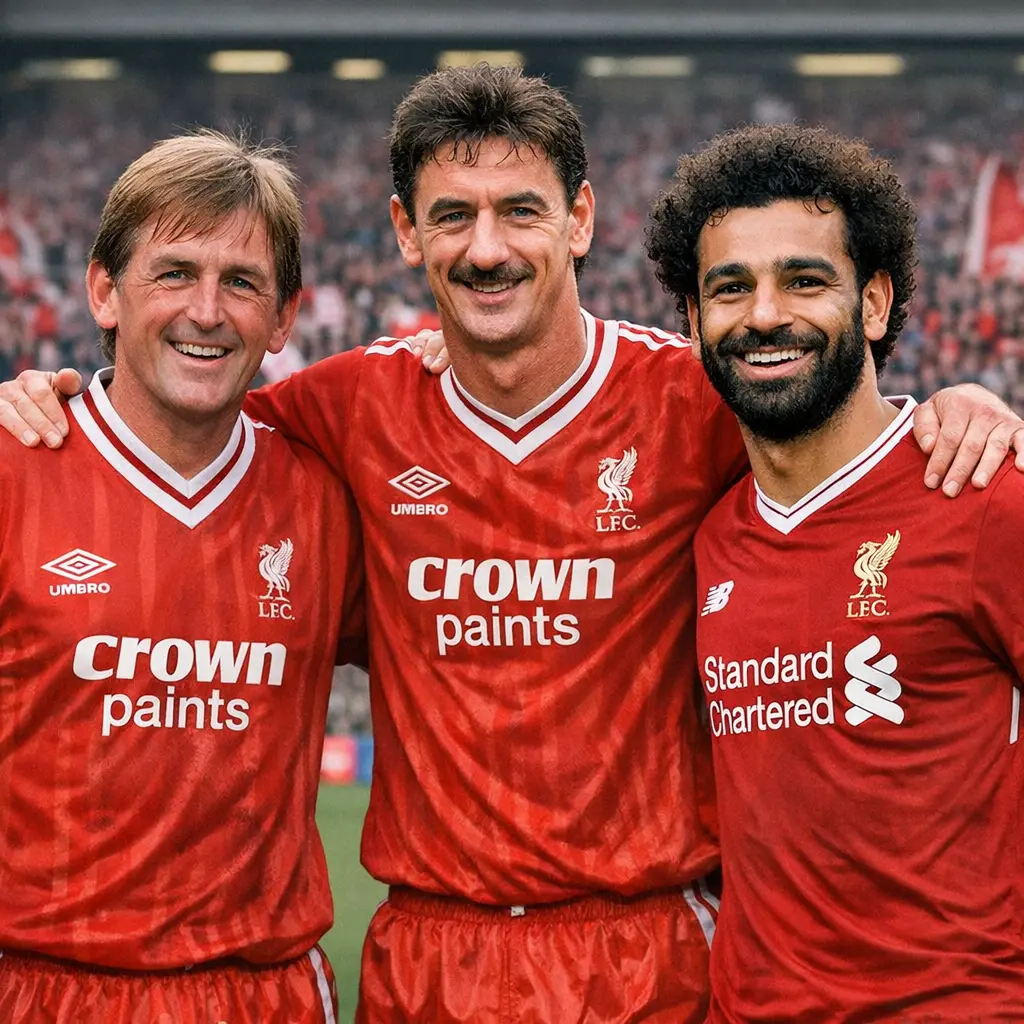
The Boot Room Legacy refers to the influential group of Liverpool F.C. coaches and managers who, from the 1960s onwards, gathered in a small room at Anfield to discuss tactics and club philosophy. This close-knit environment fostered a unique coaching culture, leading to sustained success and the development of a “coaching tree”—a lineage of managers and staff, such as Bill Shankly, Bob Paisley, and Joe Fagan, who carried forward Liverpool’s values and approach across generations.
The Boot Room Legacy and Coaching Tree
The Boot Room Legacy refers to the influential group of Liverpool F.C. coaches and managers who, from the 1960s onwards, gathered in a small room at Anfield to discuss tactics and club philosophy. This close-knit environment fostered a unique coaching culture, leading to sustained success and the development of a “coaching tree”—a lineage of managers and staff, such as Bill Shankly, Bob Paisley, and Joe Fagan, who carried forward Liverpool’s values and approach across generations.

💡 Key Takeaways
- Understand what the Boot Room represents in football culture and its role in shaping a club's philosophy.
- Learn how a Boot Room-era coaching network created a coaching tree through internal promotion and shared methods.
- Identify core principles associated with the Boot Room (discipline, consistency, and tactical pragmatism) and how they guided decisions.
- Assess the long-term impact of internal promotions versus external hires on team stability and success.
❓ Frequently Asked Questions
What is the Boot Room and why is it significant?
The Boot Room was a small, iconic space at Liverpool FC where managers and coaches prepared, discussed tactics, and built a shared philosophy. It symbolized a culture of continuity and mentorship that shaped the club's success.
What is a coaching tree in football?
A coaching tree maps how coaches influence others—mentors, assistants, and later managers—showing how ideas and methods spread from a central figure to multiple teams over time.
Which figures are most associated with the Boot Room's legacy?
Bill Shankly, Bob Paisley, and Joe Fagan are the best-known figures linked to the Boot Room, forming a lineage that defined Liverpool's coaching culture and mentoring approach.
How did the Boot Room influence Liverpool's success and club culture?
It created a shared philosophy, long-term planning, and a culture of collaboration, contributing to trophy-winning teams and a lasting sense of unity within the club.
Why is the Boot Room legacy relevant to modern coaching?
It highlights the value of mentorship, staff continuity, and a consistent footballing philosophy—lessons that coaches still apply today when building teams.