The British novel has evolved significantly from its origins in the eighteenth century, reflecting changes in society, culture, and literary style. Early novels focused on realism and individual experience, as seen in works by Defoe and Austen. Over time, the form diversified, embracing psychological depth, social critique, and experimentation with narrative structure. The British novel remains a dynamic genre, continually adapting to new themes and innovations while engaging with readers’ imaginations and contemporary issues.
The British novel: development and form
The British novel has evolved significantly from its origins in the eighteenth century, reflecting changes in society, culture, and literary style. Early novels focused on realism and individual experience, as seen in works by Defoe and Austen. Over time, the form diversified, embracing psychological depth, social critique, and experimentation with narrative structure. The British novel remains a dynamic genre, continually adapting to new themes and innovations while engaging with readers’ imaginations and contemporary issues.
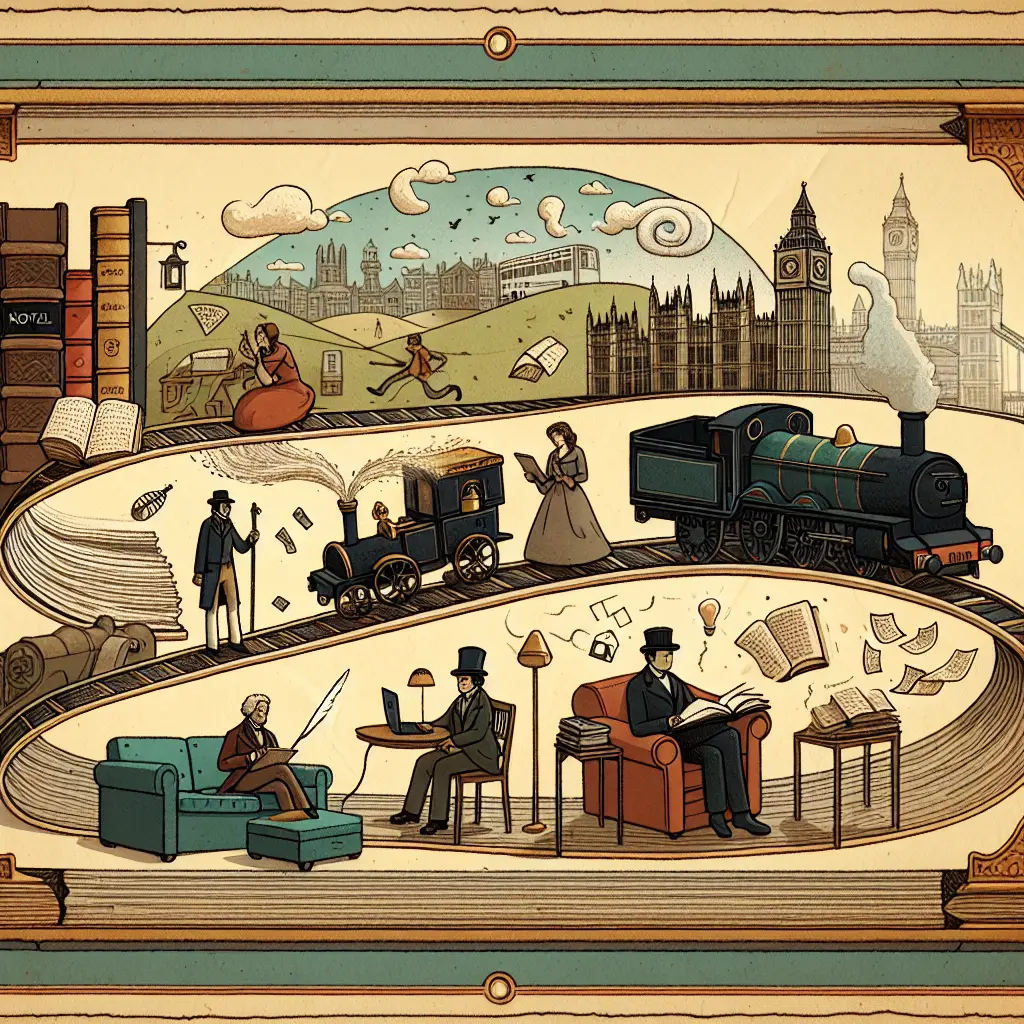
💡 Key Takeaways
- Trace the 18th-century origins of the British novel in realism and individual experience (Defoe, Austen).
- Explore how the form diversified to include psychological depth and social critique through techniques like free indirect discourse and epistolary writing.
- Understand how changes in class, gender, and urban life shaped themes and characters across centuries.
- Identify major milestones and genres from novels of manners and Victorian social novels to early modernist experimentation.
❓ Frequently Asked Questions
What characterizes the early British novel?
Realism and the depiction of individual experience, with writers like Defoe focusing on everyday life and Austen exploring manners and personal growth.
How did the form of the British novel change over time?
It diversified beyond realism to include psychological depth, interiority, social critique, satire, and varied narrative techniques.
Which authors illustrate the shift from early realism to later diversification?
Early realism: Defoe and Austen; later diversification: Dickens, George Eliot, and Thomas Hardy.
What does the evolution of the British novel reveal about society?
It mirrors changes in society and culture and shows how literary style and technique adapt to new concerns and ways of thinking.