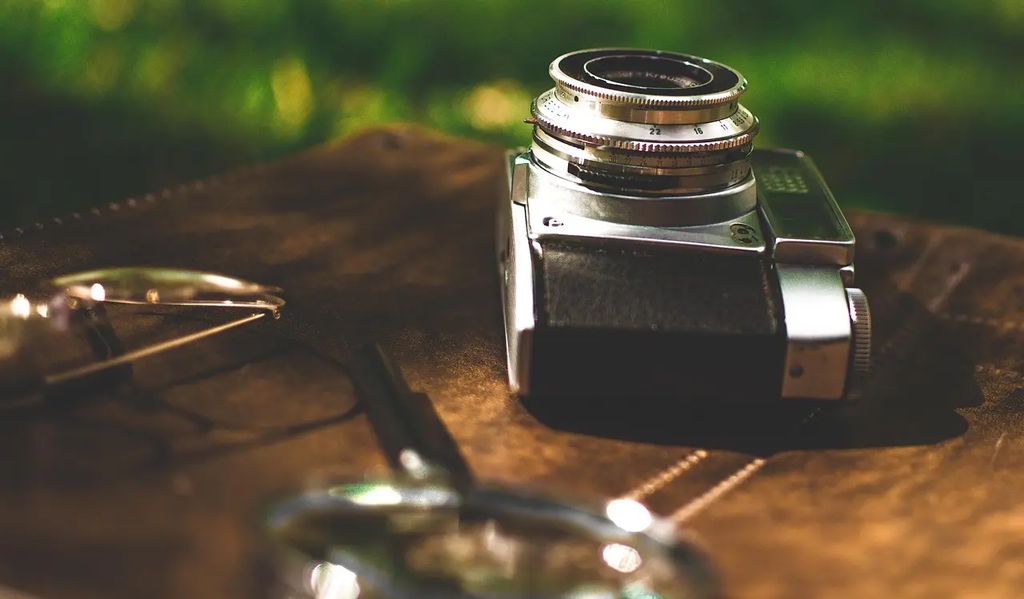
The camera is a groundbreaking invention that revolutionized how humans capture and preserve moments. By transforming light into images, cameras have enabled people to document history, express creativity, and communicate visually across cultures. From early pinhole devices to advanced digital technology, the camera has profoundly impacted art, journalism, science, and daily life, making it an iconic tool for storytelling and memory-keeping throughout generations.
The Camera+50
The camera is a groundbreaking invention that revolutionized how humans capture and preserve moments. By transforming light into images, cameras have enabled people to document history, express creativity, and communicate visually across cultures. From early pinhole devices to advanced digital technology, the camera has profoundly impacted art, journalism, science, and daily life, making it an iconic tool for storytelling and memory-keeping throughout generations.
💡 Key Takeaways
- Understand exposure: how aperture, shutter speed, and ISO control brightness and depth of field.
- Know camera types (DSLR, mirrorless, and compact) and when to use each.
- Master shooting basics: composition, framing, and focus.
- Adjust white balance and metering for accurate colors.
❓ Frequently Asked Questions
What is aperture and why does it matter?
Aperture is the adjustable opening in a camera lens that controls how much light hits the sensor. It also affects depth of field: a larger opening (smaller f-number) creates a blurrier background, while a smaller opening (higher f-number) keeps more of the scene in focus.
How does shutter speed affect your photos?
Shutter speed determines how long the sensor is exposed to light. Faster speeds freeze motion; slower speeds can create motion blur or light trails and may require a tripod for stability.
What does ISO do in photography?
ISO measures the sensor's sensitivity to light. Higher ISO brightens images in low light but adds more noise; lower ISO produces cleaner images but needs more light.
What is white balance and why is it important?
White balance adjusts colors so that white objects appear white under different lighting conditions. It helps ensure colors look natural regardless of the light source.