The Canal Era refers to the early 19th-century period when canals like the Erie Canal and the Chesapeake & Ohio (C&O) Canal revolutionized transportation in the United States. These waterways enabled efficient movement of goods and people across vast distances, linking inland regions to coastal markets. The era spurred economic growth, westward expansion, and urban development, laying the foundation for America's industrialization before the rise of railroads.
The Canal Era: Erie, C&O, and Inland Waterways
The Canal Era refers to the early 19th-century period when canals like the Erie Canal and the Chesapeake & Ohio (C&O) Canal revolutionized transportation in the United States. These waterways enabled efficient movement of goods and people across vast distances, linking inland regions to coastal markets. The era spurred economic growth, westward expansion, and urban development, laying the foundation for America's industrialization before the rise of railroads.
💡 Key Takeaways
- Understand how the Erie Canal and C&O Canal linked inland regions to coastal markets, accelerating trade and settlement in the early 19th century.
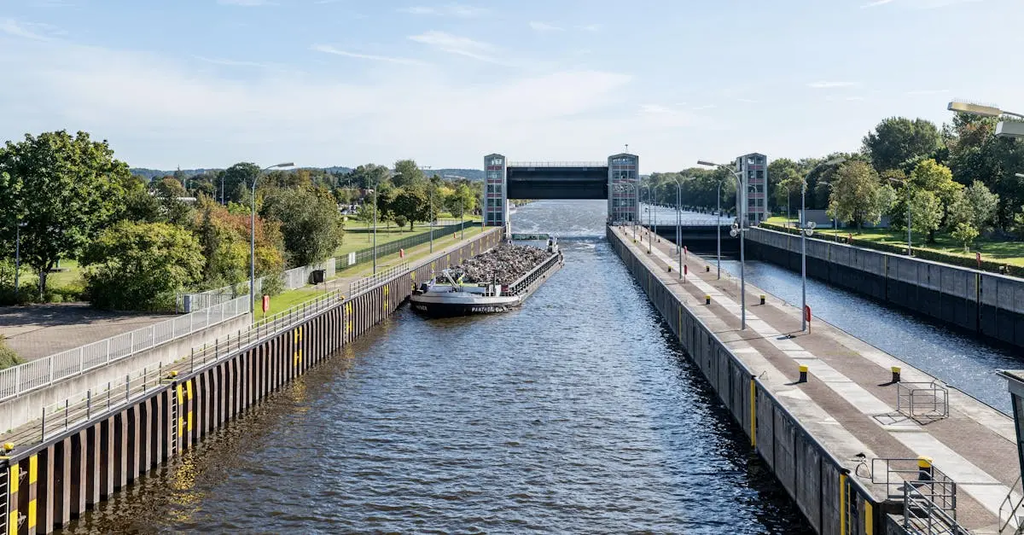
- Learn the key engineering features of canal systems (locks, towpaths, aqueducts) that enabled efficient water transportation.
- Compare canal transport with roads and steamboats of the era to understand its role in economic growth and urbanization.
- Identify iconic landmarks and hidden gems along the Erie and C&O canals and explain their historical significance.
❓ Frequently Asked Questions
What was the Canal Era and why was it important?
A 19th-century period when canals like the Erie and C&O opened efficient water routes, lowering transport costs and linking inland regions to coastal markets, spurring economic growth.
What did the Erie Canal accomplish and when?
Completed in 1825, it connected the Hudson River to Lake Erie, enabling cheap movement of goods and people between New York and the Midwest, and helping New York City become a major trade hub.
What was the Chesapeake & Ohio Canal and what did it connect?
A canal along the Potomac from Georgetown to Cumberland, Maryland, built to move coal and other goods toward Washington, DC, complementing early rail and road networks.
How did inland waterways reshape commerce and settlement in 19th-century America?
They opened interior regions to distant markets, reduced travel times, spurred towns and industry along towpaths, and supported engineering feats like locks and aqueducts that enabled faster, cheaper transport.