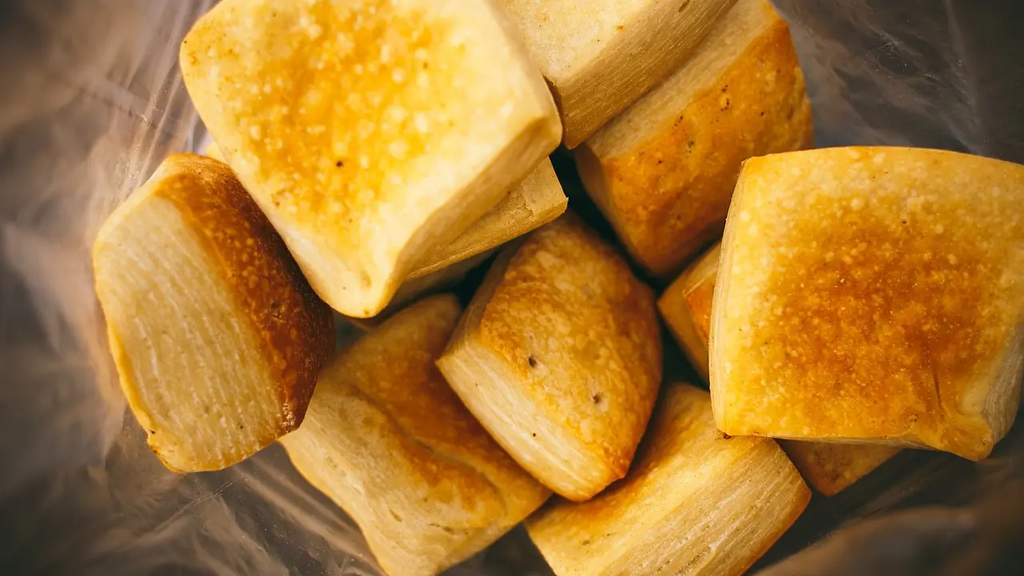
The casserole boom and postwar convenience foods refer to the surge in popularity of easy-to-make, one-dish meals and pre-packaged ingredients after World War II. As families sought quick, affordable meals, manufacturers introduced canned soups, frozen vegetables, and boxed mixes, making meal preparation faster. Casseroles became a staple in American households, symbolizing modern efficiency and the era’s embrace of processed foods, changing home cooking traditions and dietary habits significantly.
The casserole boom and postwar convenience foods
The casserole boom and postwar convenience foods refer to the surge in popularity of easy-to-make, one-dish meals and pre-packaged ingredients after World War II. As families sought quick, affordable meals, manufacturers introduced canned soups, frozen vegetables, and boxed mixes, making meal preparation faster. Casseroles became a staple in American households, symbolizing modern efficiency and the era’s embrace of processed foods, changing home cooking traditions and dietary habits significantly.
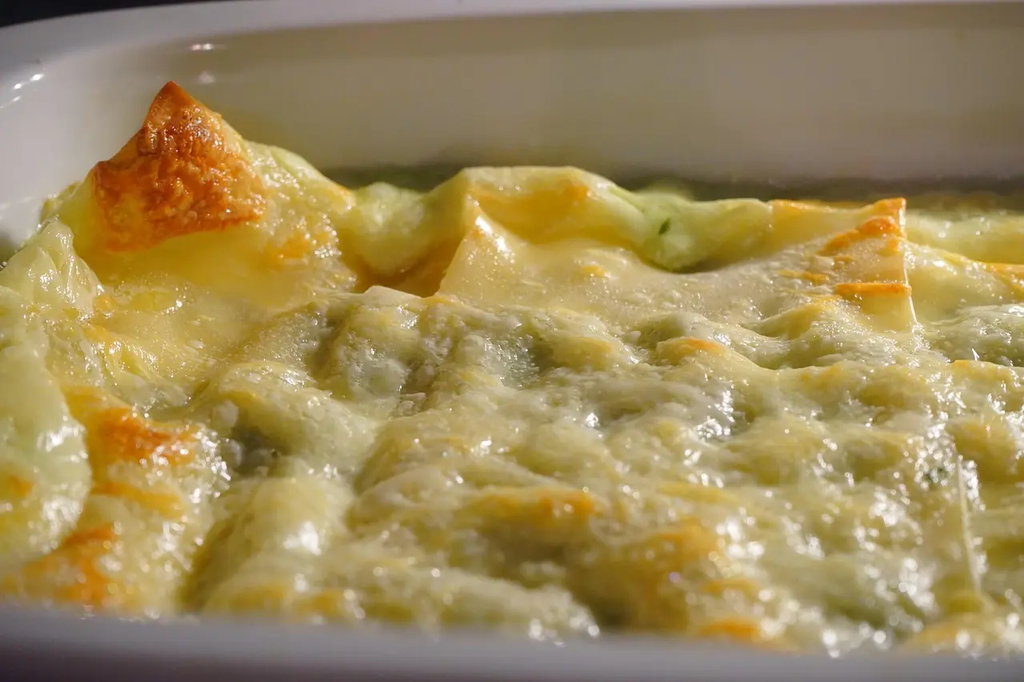
💡 Key Takeaways
- Understand why postwar growth and suburban life boosted demand for quick, affordable one-dish meals like casseroles.
- Identify how canned soups, boxed mixes, and frozen vegetables supported the casserole trend.
- Explain how casseroles simplified cooking and cleanup, changing meal-prep routines.
- Analyze the broader cultural and nutritional impact of the casserole boom and convenience foods.
❓ Frequently Asked Questions
What is meant by the casserole boom in postwar America?
A surge in popularity of easy, one-dish casseroles after World War II, often made with pantry staples and affordable ingredients.
Why did postwar convenience foods become popular?
Families wanted quick, affordable meals, and manufacturers introduced shelf-stable options like canned soups, frozen vegetables, and boxed mixes that saved time and effort.
How did canned soups and boxed mixes influence casserole meals?
They provided ready-to-use flavor bases and ingredients, speeding up recipe prep and making casseroles easier to assemble.
What broader impact did this era have on American cooking?
It helped standardize one-dish meals and convenience foods, reshaping grocery shopping, meal planning, and the pace of home cooking.