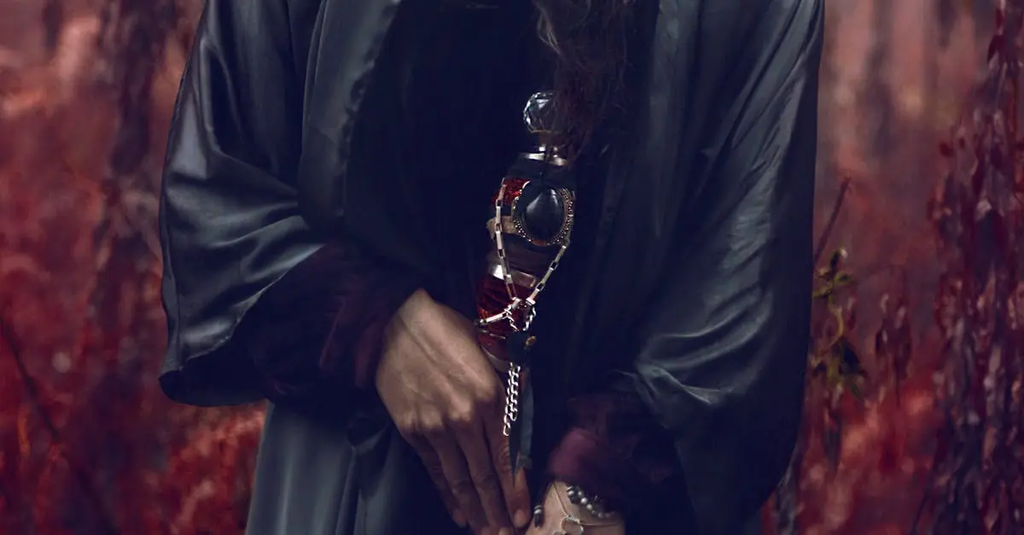
"The Crown: Monarchs, Ministers & Scandals" refers to the intricate and often dramatic interplay between the British monarchy, its leading political figures, and the controversies that have shaped their public image. This phrase encompasses the personal and political challenges faced by monarchs and ministers, highlighting the scandals—both private and public—that have tested the resilience and reputation of the royal institution throughout history.
The Crown: Monarchs, Ministers & Scandals
"The Crown: Monarchs, Ministers & Scandals" refers to the intricate and often dramatic interplay between the British monarchy, its leading political figures, and the controversies that have shaped their public image. This phrase encompasses the personal and political challenges faced by monarchs and ministers, highlighting the scandals—both private and public—that have tested the resilience and reputation of the royal institution throughout history.
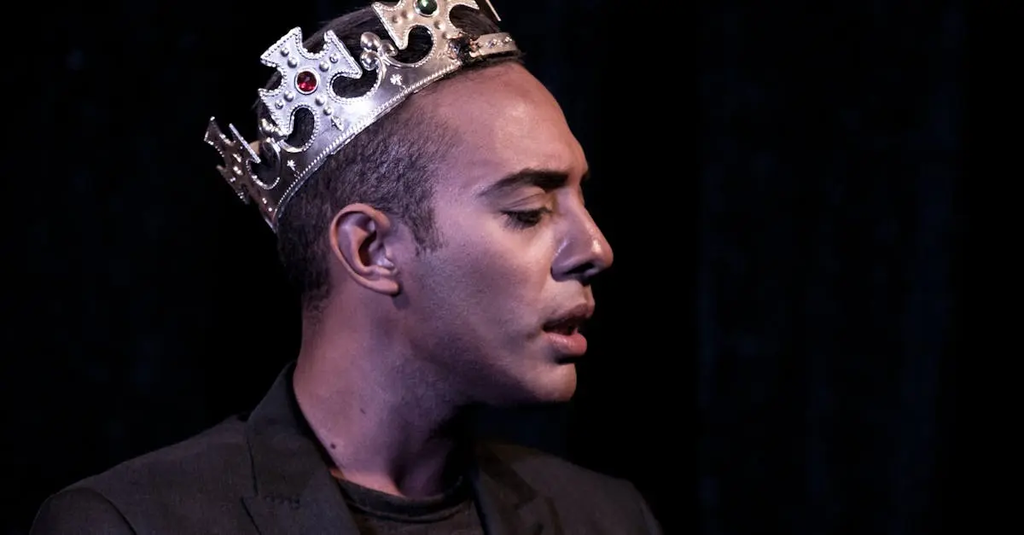
💡 Key Takeaways
- Understand the constitutional role of the monarchy and its relationship with government ministers.
- Identify notable scandals and controversies that have shaped the Crown's public image and political dynamics.
- Examine how monarchs balance ceremonial duties with personal, political, and constitutional challenges.
- Explore how constitutional reforms and public accountability have influenced the monarch–minister relationship.
- Analyze the role of media, symbolism, and public opinion in shaping the Crown's legitimacy.
❓ Frequently Asked Questions
What does 'The Crown: Monarchs, Ministers & Scandals' refer to?
It highlights the relationship between the British monarchy (the Crown) and elected government ministers, plus the public controversies that have affected their roles and reputations.
What is the difference between the monarch's role and government ministers in the UK?
The monarch's role is largely ceremonial; ministers (led by the Prime Minister and Cabinet) run the government and are accountable to Parliament. In practice, the Crown acts on ministers' advice.
What counts as a 'scandal' in this context?
A controversy involving the monarchy, government officials, or their conduct that affects public trust or the perceived legitimacy of political or constitutional norms.
How does the monarchy maintain its public image amid scandals?
Through official duties, charitable work, transparent communication, and careful adherence to constitutional norms, with media coverage shaping public perception.