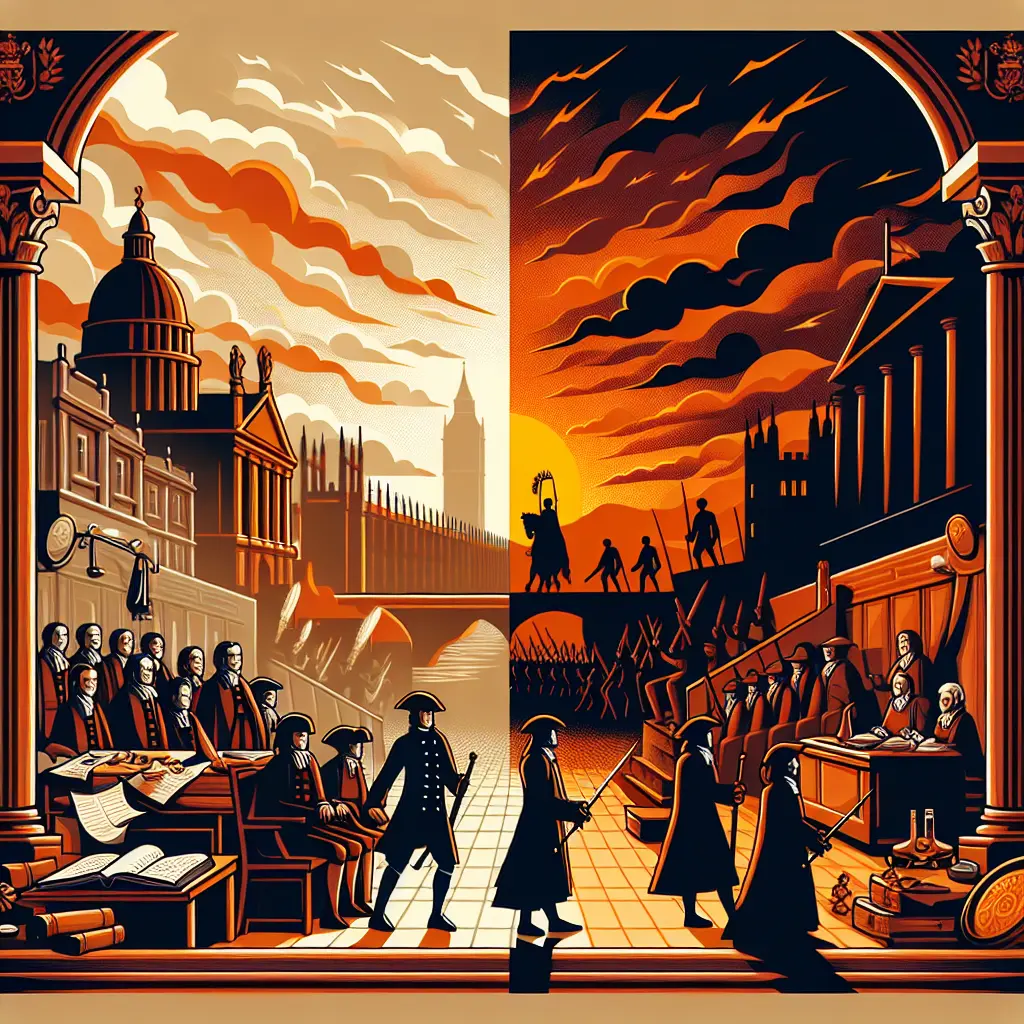
The cultural revolution of the 1960s in Britain marked a period of dramatic social and artistic change. Youth culture flourished, challenging traditional norms and embracing new music, fashion, and attitudes. The rise of bands like The Beatles and The Rolling Stones, the emergence of the "Swinging London" scene, and progressive movements in art, film, and literature redefined British identity, fostering greater freedom of expression and breaking down class barriers.
The cultural revolution of the 1960s in Britain
The cultural revolution of the 1960s in Britain marked a period of dramatic social and artistic change. Youth culture flourished, challenging traditional norms and embracing new music, fashion, and attitudes. The rise of bands like The Beatles and The Rolling Stones, the emergence of the "Swinging London" scene, and progressive movements in art, film, and literature redefined British identity, fostering greater freedom of expression and breaking down class barriers.
💡 Key Takeaways
- How 1960s British youth culture challenged traditional norms in music, fashion, and attitudes.
- The Beatles and The Rolling Stones reshaped global music and popular culture.
- Swinging London as a hub for fashion, nightlife, and media-driven trends.
- Shifts in gender roles, sexuality, and class in Britain during the era.
❓ Frequently Asked Questions
What was the cultural revolution of the 1960s in Britain?
A period of rapid social, artistic, and cultural change where youth culture challenged traditional norms and new music, fashion, and attitudes emerged.
Which bands helped define Britain's 1960s music scene?
The Beatles and The Rolling Stones became global icons; other influential acts included The Who, The Kinks, and Pink Floyd.
What was Swinging London and why does it matter?
A nickname for the vibrant late-1960s London scene—clubs, fashion, design, and media buzz that symbolized modern youth culture.
How did fashion and attitudes change in the 1960s UK?
Fashion moved toward miniskirts, bold patterns, and experimental silhouettes; attitudes toward gender and sexuality became more open, driven by music and media.
What lasting impacts did this era have on British society?
It widened opportunities for creative expression, reshaped fashion and the music industry, and helped Britain project its cultural influence worldwide.