The Day of Epiphany, often referred to as "The Day Everything Changed," marks a pivotal moment of sudden realization or insight that transforms one's perspective or life path. It signifies a turning point where hidden truths become clear, leading to profound personal growth, new understanding, or decisive action. This moment can alter relationships, beliefs, or ambitions, setting the stage for a new chapter and reshaping the future in unexpected ways.
The Day of Epiphany
The Day of Epiphany, often referred to as "The Day Everything Changed," marks a pivotal moment of sudden realization or insight that transforms one's perspective or life path. It signifies a turning point where hidden truths become clear, leading to profound personal growth, new understanding, or decisive action. This moment can alter relationships, beliefs, or ambitions, setting the stage for a new chapter and reshaping the future in unexpected ways.
💡 Key Takeaways
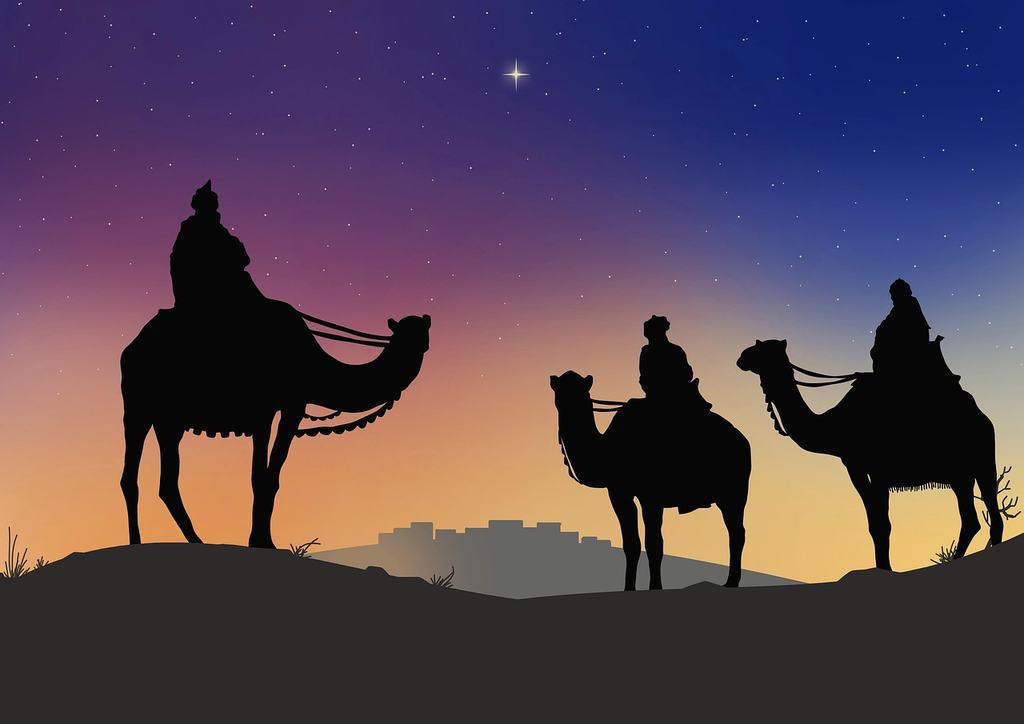
- Understand Epiphany as the celebration of Jesus' revelation to all people, including the visit of the Magi.
- Identify key symbols and customs—such as the Star of Bethlehem, the gifts of gold, frankincense, and myrrh, and traditional Epiphany foods and home-blessing rituals.
- Recognize regional variations in date and practice across Western and Orthodox traditions.
- Explain how Epiphany connects to broader Christian narratives, such as Jesus' baptism and the revelation of Christ to the Gentiles.
❓ Frequently Asked Questions
What is Epiphany and why is it celebrated?
Epiphany is a Christian feast marking the revelation of Jesus as the Son of God. In Western churches it centers on the visit of the Magi to the infant Jesus (often called Epiphany or Three Kings’ Day) and is celebrated on January 6. In many Orthodox churches, Epiphany refers to Jesus’ baptism (Theophany).
When is Epiphany celebrated and what are common customs?
Western churches celebrate on January 6 (often observed on the nearest Sunday). Customs include blessing homes with chalk and the year (often written with the initials C, M, B for Caspar, Melchior, Balthazar), and special foods such as Epiphany cakes or Rosca de Reyes in various cultures.
Who are the Magi and what gifts did they bring?
The Magi are wise travelers from the East who visited Jesus after his birth, guided by a star. They brought gold, frankincense, and myrrh as gifts.
How is Epiphany observed differently in Orthodox vs Western Christianity?
Western Epiphany emphasizes Jesus’ manifestation to the Gentiles (the Magi) and related traditions. Orthodox Theophany focuses on Jesus’ baptism, often featuring water blessings and other baptismal rites.
What is the significance of the Epiphany gifts?
Gold symbolizes kingship, frankincense denotes divinity, and myrrh foreshadows suffering and death, highlighting who Jesus is and what his life would mean.