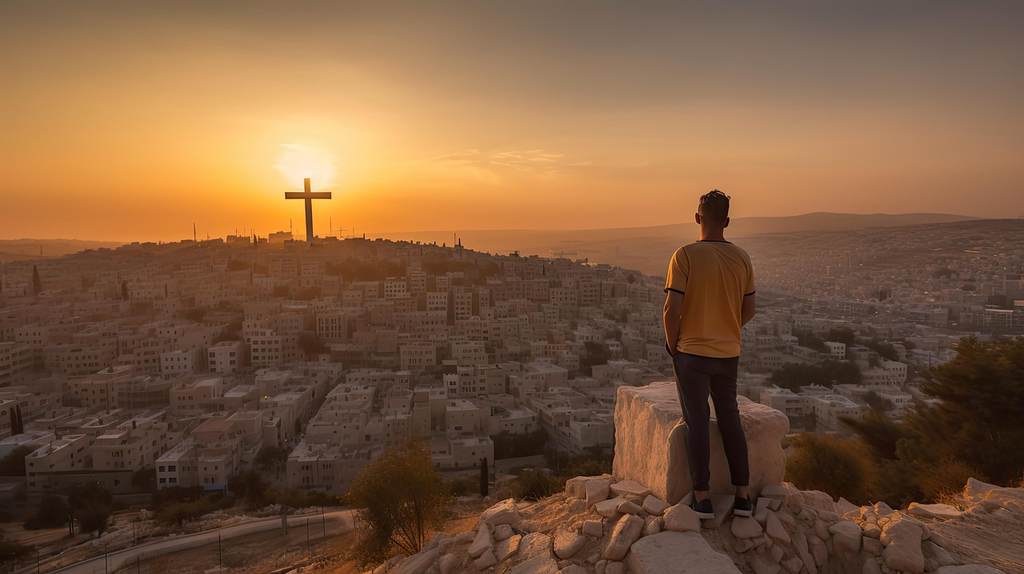
The Day of Revelation, often referred to as the Day Everything Changed, signifies a pivotal moment when hidden truths are unveiled, transforming perceptions and realities. It marks a dramatic shift in understanding, where secrets come to light and the course of events is irreversibly altered. This day is characterized by profound realization, awakening individuals or societies to new knowledge, prompting change, growth, or upheaval in response to the newfound awareness.
The Day of Revelation
The Day of Revelation, often referred to as the Day Everything Changed, signifies a pivotal moment when hidden truths are unveiled, transforming perceptions and realities. It marks a dramatic shift in understanding, where secrets come to light and the course of events is irreversibly altered. This day is characterized by profound realization, awakening individuals or societies to new knowledge, prompting change, growth, or upheaval in response to the newfound awareness.
💡 Key Takeaways
- Identify common symbols and imagery used in revelation narratives.
- Explain the purpose of a day of revelation in prophetic texts.
- Differentiate between literal and metaphorical interpretations of revelations.
- Analyze how historical and cultural context shapes the meaning and impact of revelatory events.
❓ Frequently Asked Questions
What is The Day of Revelation commonly about?
It typically refers to apocalyptic events described in the Book of Revelation (the Apocalypse) and the ultimate triumph of good, including final judgment and the return of Christ.
Who is traditionally credited with writing Revelation, and is this attribution certain?
Traditionally attributed to John the Apostle, but authorship and dating are debated among scholars.
What are some key symbols you might encounter in Revelation questions?
Common symbols include the Lamb, the Dragon, the Beast, the Seven Seals, the Seven Trumpets, and the New Jerusalem.
How should you approach quiz questions about Revelation?
Distinguish between symbolic imagery and literal prophecy, and focus on central themes like judgment, perseverance, and the ultimate restoration.