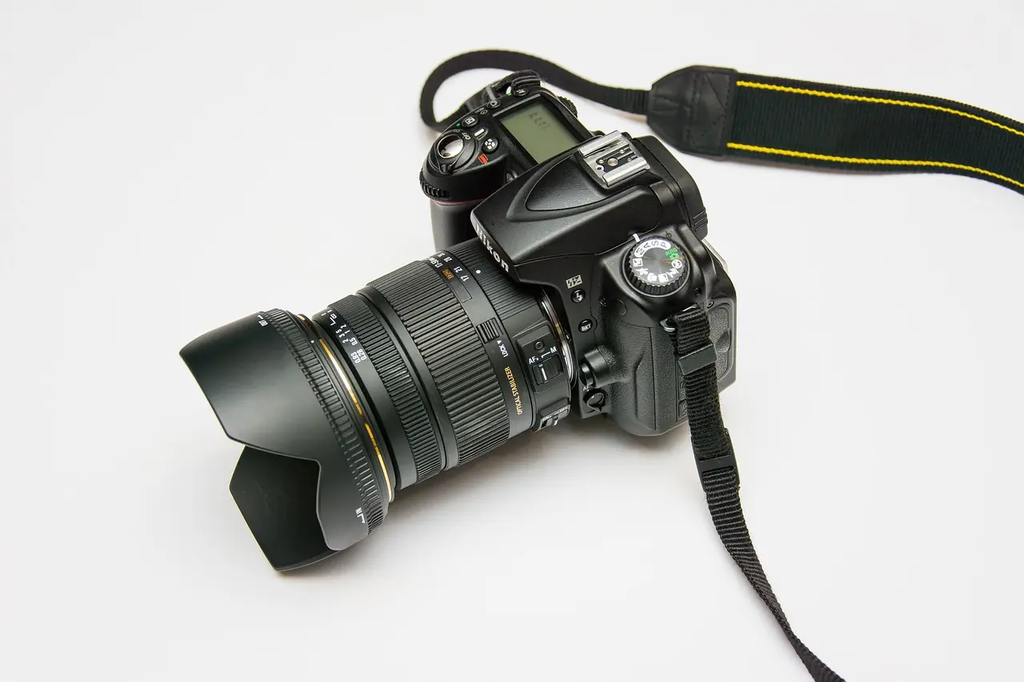
The digital camera revolutionized photography by allowing users to capture, store, and share images electronically without the need for film. Its invention made photography more accessible, convenient, and immediate, enabling instant image review and editing. Over time, digital cameras have become smaller, more affordable, and integrated into various devices like smartphones, profoundly impacting communication, social media, and visual storytelling in modern society.
The Digital Camera
The digital camera revolutionized photography by allowing users to capture, store, and share images electronically without the need for film. Its invention made photography more accessible, convenient, and immediate, enabling instant image review and editing. Over time, digital cameras have become smaller, more affordable, and integrated into various devices like smartphones, profoundly impacting communication, social media, and visual storytelling in modern society.
💡 Key Takeaways
- Identify the main parts of a digital camera (sensor, lens, processor) and how they affect image quality.
- Explain the exposure triangle (aperture, shutter speed, ISO) and how it changes brightness and depth of field.
- Understand RAW vs JPEG and basic post-processing options.
- Know common shooting modes (Auto, Manual, Aperture Priority, Shutter Priority) and when to use them.
❓ Frequently Asked Questions
What is a digital camera?
A device that uses an image sensor to convert light into digital data, storing photos as files on memory cards.
How does a digital camera capture images?
Light passes through the lens to the image sensor (CMOS/CCD). The sensor converts photons to electrical signals, which the camera processes and saves as a digital image.
RAW vs JPEG—what's the difference?
RAW records unprocessed sensor data for maximum editing flexibility; JPEG is a compressed, ready-to-view image that takes less space.
What are common camera modes and when should I use them?
Auto handles most shots. Aperture Priority controls depth of field; Shutter Priority controls motion; Manual mode provides full control over exposure.
What is image stabilization and why does it help?
Stabilization (in lens or body) reduces camera shake, helping you take sharper photos at slower shutter speeds and longer focal lengths.