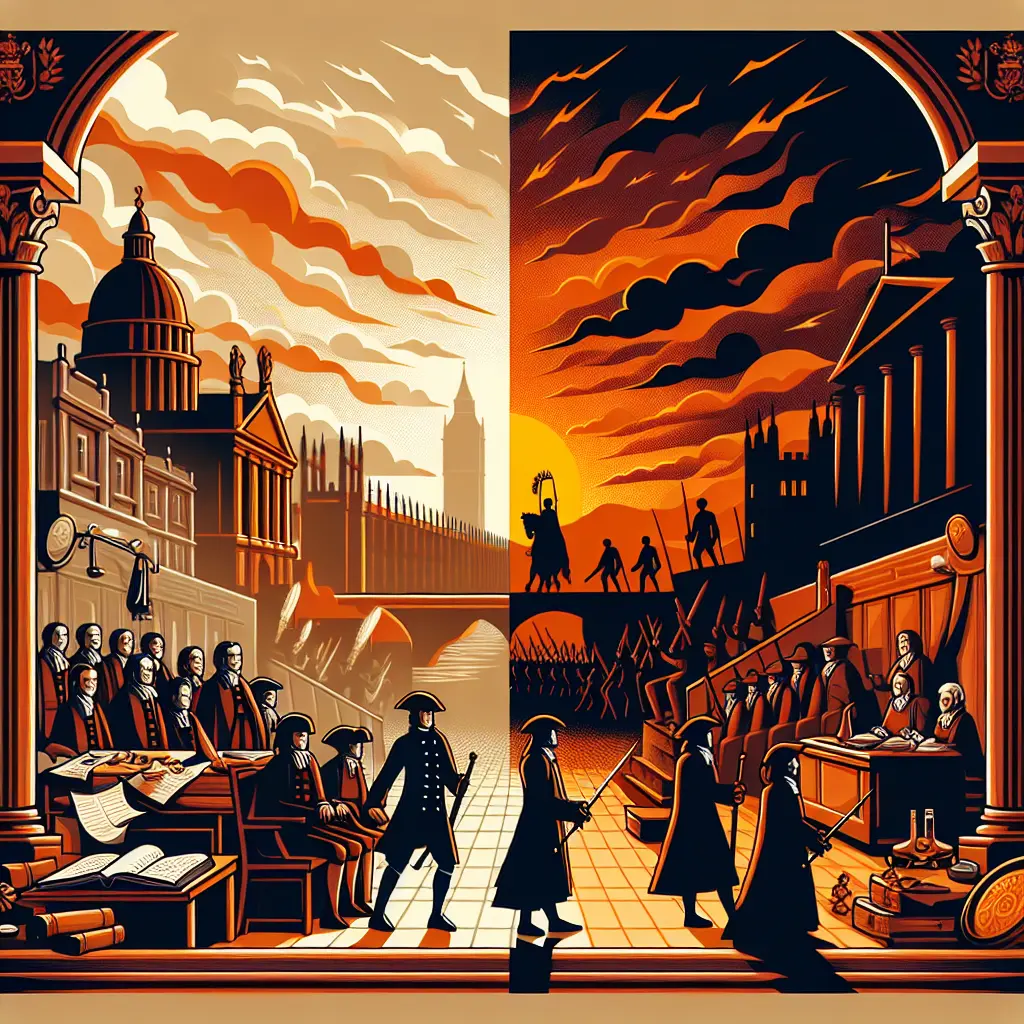
The English Civil War (1642–1651) was sparked by tensions between King Charles I and Parliament over issues of royal authority, religion, and finances. Disputes about the king’s power, unpopular taxes, and religious reforms fueled conflict. The war led to the execution of Charles I, the abolition of the monarchy, and the rise of Oliver Cromwell’s Commonwealth. Ultimately, it reshaped English governance, paving the way for constitutional monarchy and parliamentary supremacy.
The English Civil War: causes and consequences
The English Civil War (1642–1651) was sparked by tensions between King Charles I and Parliament over issues of royal authority, religion, and finances. Disputes about the king’s power, unpopular taxes, and religious reforms fueled conflict. The war led to the execution of Charles I, the abolition of the monarchy, and the rise of Oliver Cromwell’s Commonwealth. Ultimately, it reshaped English governance, paving the way for constitutional monarchy and parliamentary supremacy.
💡 Key Takeaways
- Identify the main causes of the English Civil War: tensions over royal authority, Parliament's powers, finances, and religious reforms.
- Explain how disputes over taxation and governance between King Charles I and Parliament escalated into armed conflict.
- Describe the key outcomes, including the execution of Charles I and the temporary abolition of the monarchy and the House of Lords.
- Understand the war's longer-term consequences, such as the establishment of the Commonwealth and the Protectorate, and their impact on later constitutional and religious developments in England.
❓ Frequently Asked Questions
What sparked the English Civil War?
Tensions between King Charles I and Parliament over royal authority, taxation, and religious reforms.
What financial issues contributed to the conflict?
Unpopular taxes and Charles I's attempts to raise money without Parliament, such as ship money and forced loans.
How did religion influence the war?
Disputes over church governance and reforms—fears about royal interference, and conflicts between Anglicans and Puritans—fuelled distrust.
What were the major consequences of the war?
The execution of Charles I and the abolition of the monarchy and the House of Lords, with England becoming a republic (Commonwealth).
What happened after the Commonwealth period?
England eventually returned to monarchy in 1660 with the Restoration of Charles II, and the era left a lasting impact on constitutional rule.